


More About Paracetamol (Acetaminophen) + S Etodolac
Quick Summary
Paracetamol (Acetaminophen) + S Etodolac is a combination medicine containing Paracetamol, an analgesic (pain-reliever) and antipyretic (fever-reducer), and Etodolac, a non-steroidal anti-inflammatory drug (NSAID) that helps reduce pain and inflammation. It is prescribed for adults to treat pain, inflammation, and fever in conditions such as arthritis, muscle or joint pain, dental pain, back pain, menstrual cramps, and pain after surgery. The two medicines work together to give better pain relief than if used alone. It should only be taken with a doctor’s guidance and for a short time, to lower the chance of side effects.
Detailed Description
Paracetamol (Acetaminophen) + S Etodolac belongs to the class of combination analgesic and anti-inflammatory medicines used for the management of mild to moderate pain and inflammation through multiple mechanisms of action.
S-Etodolac works by inhibiting cyclo-oxygenase (COX) enzymes involved in prostaglandin synthesis (chemical messengers that cause pain), thereby helping reduce inflammation, swelling, stiffness, and pain at the affected site. Paracetamol (Acetaminophen) acts centrally on pain-regulating pathways in the brain to help relieve pain and reduce fever. Together, these medicines help relieve pain and inflammation, improving comfort, mobility, and daily functioning through complementary mechanisms of action.
This combination provides enhanced pain relief compared to either medicine alone, offering faster and more effective symptom control. Paracetamol (Acetaminophen) + S Etodolac is generally prescribed for short‑term use and should always be taken under medical supervision, as prolonged or excessive use may increase the risk of side effects such as stomach irritation, liver damage, or kidney problems.
Uses of Paracetamol (Acetaminophen) + S Etodolac
Paracetamol (Acetaminophen) + S Etodolac is used to treat different types of pain, swelling, and fever. Doctors may prescribe it for:
Musculoskeletal Pain
Relief from pain, swelling, stiffness, and inflammation associated with sprains, strains, low back pain, neck pain, and shoulder pain.
Osteoarthritis and Rheumatoid Arthritis
Helps reduce joint pain, swelling, and stiffness during flare-ups of arthritis.
Dental Pain
Relief from toothache, gum inflammation, and pain after dental procedures.
Post-operative Pain
Helps manage pain and swelling after minor surgical procedures or injuries.
Dysmenorrhea
Relief from painful menstrual cramps and associated discomfort.
Fever
Helps reduce fever that may occur along with painful inflammatory conditions.
Benefits of Paracetamol (Acetaminophen) + S Etodolac
- Effective Pain Relief: Helps relieve pain through the combined action of S-Etodolac and Paracetamol working by different mechanisms.
- Improved Comfort and Mobility: Helps improve movement and daily functioning by reducing pain and inflammation.
- Better Gastric Tolerability: S-Etodolac may cause comparatively less stomach irritation than some other NSAIDs such as diclofenac in certain patients, although stomach-related side effects can still occur.
Side Effects of Paracetamol (Acetaminophen) + S Etodolac
When taken as directed, Paracetamol (Acetaminophen) + S Etodolacis generally well tolerated. Side effects are usually mild and often improve as treatment continues.
Common Side Effects:
- Nausea, Vomiting
- Indigestion (Dyspepsia), Heartburn, Abdominal pain
- Diarrhoea or Constipation
- Headache, Dizziness
- Drowsiness
Uncommon Side Effects:
- Loss of Appetite
- Fatigue
- Skin rash or itching
Serious Side Effects (Require Immediate Medical Attention)
- Gastrointestinal bleeding: Black stools, vomiting blood, or severe stomach pain
- Severe allergic reactions: Swelling of the face, lips, tongue, or throat; difficulty breathing; severe skin rash
- Liver problems: Yellowing of the skin or eyes, dark urine, persistent nausea, or unusual tiredness.
- Kidney problems: Reduced urination, swelling, or sudden worsening of kidney function
- Severe skin reactions: Blistering, peeling skin, or Stevens–Johnson syndrome (rare)
Directions for Use
- The dose of Paracetamol (Acetaminophen) + S Etodolac depends on the patient’s age, severity of pain, medical condition, and response to treatment. Always take this medicine exactly as prescribed by your doctor.
- Swallow the tablet whole with water.
- Take after food to reduce stomach irritation.
- Do not take more than the recommended dose or use it for a longer duration than prescribed.
How it works
When the body is injured or inflamed, prostaglandins are produced and contribute to pain, fever, and inflammation. Paracetamol (Acetaminophen) acts mainly in the brain and central nervous system by inhibiting the cyclooxygenase (COX) pathway, reducing prostaglandin synthesis. This helps relieve pain and lower body temperature.
S-Etodolac is a non-steroidal anti-inflammatory drug (NSAID) that works at the site of pain and inflammation. It also reduces the production of prostaglandins and helps relieve pain and improve movement in joints, muscles, and other affected tissues.
Together, Paracetamol (Acetaminophen) + S Etodolac helps provide faster and more effective relief from pain and inflammation, while the combination approach may help achieve symptom control with lower individual drug doses.
Safety Advice for Paracetamol (Acetaminophen) + S Etodolac

Allergy
Caution
Do not use this medicine if you are allergic to Paracetamol, S-Etodolac, NSAIDs, or any of the ingredients in this medicine.

Breastfeeding
Caution
Use during breastfeeding only on medical advice.

Pregnancy
Caution
Use during pregnancy only if advised by a doctor. NSAIDs are generally avoided, especially during the later stages of pregnancy.

Driving
Caution
May cause drowsiness or dizziness. Avoid driving or operating machinery.

Alcohol
Unsafe
Avoid alcohol while taking this medicine, as it may increase the risk of stomach irritation and liver-related side effects.

Liver
Caution
Excessive or prolonged use of Paracetamol may increase the risk of liver injury.

Kidney
Caution
Consult your doctor if you have a history of impaired kidney function.

Children
Caution
Use in children only if advised by a doctor and according to the recommended dose.

Elderly patients
Caution
Elderly patients may be more sensitive to stomach, kidney, or dizziness-related side effects. Use under medical supervision.
Quick Tips for Paracetamol (Acetaminophen) + S Etodolac
- Ask your doctor whether this medicine should be taken only when needed or for a fixed duration of treatment.
- Do not take other medicines containing Paracetamol at the same time unless advised by a healthcare professional, as this may increase the risk of liver damage.
- Avoid alcohol while using this medicine, as it may increase drowsiness and the risk of liver-related side effects.
- Long-term or excessive use of NSAIDs such as S-Etodolac may increase the risk of stomach ulcers, bleeding, kidney problems, or cardiovascular side effects.
Drug-Food Interaction
- Food: Generally safe interaction. Taking Paracetamol (Acetaminophen) + S Etodolac with food or after meals may help reduce mild stomach irritation and discomfort.
- Alcohol (Severe): Alcohol may significantly increase the risk of liver-related side effects, stomach irritation, and gastrointestinal bleeding.
Interactions with Other Drugs
- Other NSAIDs / Aspirin (Severe): May increase the risk of stomach irritation, ulcers, and gastrointestinal bleeding.
- Anticoagulants / Blood Thinners (Moderate–Severe): Medicines such as Warfarin may increase the risk of bleeding when used together with S-Etodolac.
- Corticosteroids (Moderate): May further increase the risk of stomach ulcers or gastrointestinal bleeding.
- Antihypertensive Medicines (Moderate): S-Etodolac may reduce the effectiveness of some blood pressure-lowering medicines.
- Other Paracetamol-Containing Medicines (Severe): Taking multiple Paracetamol containing products may increase the risk of liver damage.
Drug-Disease Interactions
- Gastrointestinal Ulcers (Severe): Use with caution or avoid in patients with active or recurrent stomach ulcers, gastritis, or gastrointestinal bleeding.
- Liver Disease (Severe): Use cautiously in patients with liver impairment, as Paracetamol may increase the risk of liver toxicity.
- Kidney Disease (Severe): NSAIDs such as S-Etodolac may worsen kidney function in susceptible patients.
- Cardiovascular Disease (Moderate–Severe): Use carefully in patients with heart disease, uncontrolled hypertension, or a history of stroke or heart failure.
- Asthma (Caution): NSAIDs may trigger breathing difficulty in some patients, especially those with aspirin-sensitive asthma.
Overdose
An overdose of Paracetamol (Acetaminophen) + S Etodolac is a medical emergency. Taking too much Paracetamol may cause serious liver damage, while excessive S-Etodolac may increase the risk of severe stomach irritation, bleeding, kidney problems, or dizziness. Early symptoms may include nausea, vomiting, stomach pain, loss of appetite, or unusual tiredness. Seek immediate medical attention if overdose is suspected, even if symptoms are mild or delayed.
What If You Forget to take Paracetamol (Acetaminophen) + S Etodolac?
Since Paracetamol (Acetaminophen) + S Etodolac is often used for pain relief, missing a dose is usually not serious. If you miss a dose, take it when you remember if pain relief is still needed. If it is almost time for your next dose, skip the missed dose and continue with your regular schedule. Do not take a double dose to make up for the missed dose, as this may increase the risk of side effects such as stomach irritation, nausea, liver problems, or kidney-related complications.
References
Fact Box
Therapeutic Class
Combination Analgesic and Anti-Inflammatory Medicine
Action Class
Analgesic/Antipyretic + Non-Steroidal Anti-Inflammatory Drug (NSAID)
Chemical Class
Para-aminophenol derivative + Pyranocarboxylic acid derivative (NSAID)
Habit Forming
No
Checkout Editorial Policy
Top Selling Medicines
Top Health Products
Top Selling Devices
Related Medications

Paracetamol (Acetaminophen) 325mg + S Etodolac 200mg
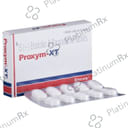
MRP ₹254.9
Paracetamol (Acetaminophen) 325mg + S Etodolac 200mg
MRP ₹242.9
Paracetamol (Acetaminophen) 325mg + S Etodolac 200mg
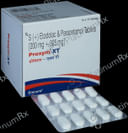
MRP ₹420.1
Etodolac 400mg + Paracetamol (Acetaminophen) 500mg + Serratiopeptidase 15mg
MRP ₹95.4