


Papaverine
Uses
Papaverine is used in the treatment of erectile dysfunction.
How it Works
How Papaverine works: Papaverine increases blood flow to the penis by relaxing the muscles in the blood vessels of the penis.
Side Effects
Common side effects of Papaverine include priapism, Peyronie's disease, arrhythmia (irregular heartbeats), dizziness, fainting, numbness in the penis, erectile dysfunction, penile pain, diaphoresis, general discomfort, nausea, abdominal discomfort, decreased appetite, constipation, diarrhea, skin rash, vertigo, headache, flushing of the face, sweating, respiratory disorders, tachycardia, high blood pressure, orthostatic hypotension (sudden lowering of blood pressure upon standing), sedation, and apnea (absence of breathing).
Expert Advice
- Exercise caution when using papaverine in children.
- Inform your doctor if you have:
- High blood pressure
- Glaucoma (increased pressure inside the eye that causes visual problems)
- Any heart or liver problems
- Do not use papaverine for longer than the prescribed treatment period, as it is a habit-forming drug and may cause dependence.
- Seek immediate medical attention if you experience jaundice-like symptoms, such as:
- Stomach pain
- Dark-colored urine
- Yellowing of eyes and skin
- Loss of appetite
- Do not consume alcohol while on treatment with papaverine, as it may worsen its side effects.
- Do not drive or operate machinery after taking papaverine, as it may cause dizziness.
- Inform your doctor if you are:
- Pregnant or planning to become pregnant
- Breastfeeding
- Do not take papaverine if you are allergic to papaverine hydrochloride or any of its ingredients.
- Do not take if you have severe liver disease.
- Do not take if you have complete heart block (AV block).
Papaverine in other salts
Top Selling Medicines
Top Health Products
Top Selling Devices
Related Medications

Papaverine 60mg

₹23

Papaverine 30mg
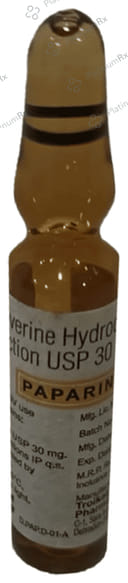
₹26.4
Papaverine 30mg
₹135.9
Papaverine 30mg
₹16.9
Codeine 20mg + Papaverine 11mg
MRP ₹11.3