


Nicergoline
Uses
Nicergoline is used for the treatment of acute migraine headaches and Raynaud's disease.
How it Works
How Nicergoline works Nicergoline functions by constricting (narrowing) blood vessels, thereby alleviating migraine headaches. It decreases vascular resistance and increases arterial blood flow, improving the utilization of oxygen and glucose by the blood vessels and other areas of the body. Additionally, it prevents platelet aggregation, which can lead to excessive blood coagulation, resulting in blood clots and impaired circulation. Furthermore, it possesses antioxidant properties that promote healing in Raynaud’s disease.
Side Effects
Common side effects of Nicergoline include fatigue, nausea, vomiting, changes in taste, agitation, muscle pain, restlessness, hot flashes, sleep disturbances, and dizziness.
Expert Advice
- Nicergoline helps in the prevention and treatment of migraine headaches.
- Do not take it to treat an acute attack of migraine.
- Some tips that may help avoid a migraine attack:
- Have your meals at the same time every day.
- Avoid bright lights and extreme temperatures.
- Avoid loud music and noisy places.
- Avoid chocolates, cheese, processed food, alcohol, and smoking.
- Get sufficient sleep and avoid stress.
- It should be taken at night-time before going to bed.
- It may cause sleepiness; do not drive or engage in activities that require mental focus until you know how Nicergoline affects you.
- Do not stop taking the medication suddenly, as it can cause worsening of headaches.
Nicergoline in other salts
Top Selling Medicines
Top Health Products
Top Selling Devices
Related Medications

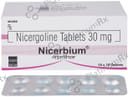
Nicergoline 30mg
₹571.9
₹592.9
MRP ₹723
Nicergoline 30mg
₹381.3
₹592.9
MRP ₹723
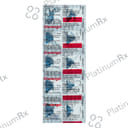
Nicergoline 30mg
₹679.3
₹592.9
MRP ₹723
Nicergoline 30mg
₹592.9
MRP ₹723
Nicergoline 30mg
₹750
₹592.9
MRP ₹723
Nicergoline 5mg + Vinpocetine 5mg
MRP ₹549.7