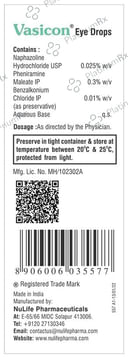
More About Naphazoline + Pheniramine
Quick Summary
Naphazoline + Pheniramine is a combination ophthalmic formulation containing naphazoline and pheniramine. It is used to relieve redness, itching, watering, and irritation of the eyes associated with allergic conjunctivitis and minor eye irritation. The combination provides rapid relief from allergy-related eye discomfort by reducing both redness and histamine-mediated symptoms. Always use Naphazoline + Pheniramine exactly as directed by your doctor.
Detailed Description
Naphazoline + Pheniramine combines naphazoline and pheniramine, each contributing complementary roles in reducing ocular redness, allergic symptoms, and eye irritation.
Naphazoline is a sympathomimetic vasoconstrictor that works by stimulating alpha-adrenergic receptors in the blood vessels of the eye. This causes constriction of dilated conjunctival blood vessels, rapidly reducing redness, swelling, and congestion associated with irritation or allergic reactions.
Pheniramine is an antihistamine that blocks histamine H1 receptors, preventing the action of histamine released during allergic reactions. It helps relieve itching, watering, burning sensation, and discomfort caused by allergens such as pollen, dust, smoke, or pet dander.
Together, naphazoline and pheniramine provide dual-action relief for allergic and irritative eye symptoms. While naphazoline reduces visible redness through vasoconstriction, pheniramine addresses the underlying allergic response and itching sensation. This complementary mechanism improves overall ocular comfort and symptom control.
Naphazoline + Pheniramine is commonly used for temporary relief of allergic conjunctivitis, eye redness, itching, watering, and minor irritation caused by environmental allergens or irritants. Prolonged or excessive use should be avoided, as overuse of vasoconstrictors may lead to rebound redness or irritation.
Uses of Naphazoline + Pheniramine
The uses of Naphazoline + Pheniramine are as follows:
Allergic Conjunctivitis
Naphazoline + Pheniramine is used to relieve itching, redness, and watering caused by allergic eye conditions.
Eye Redness
It helps reduce redness and congestion associated with minor eye irritation.
Itching and Burning Sensation
Pheniramine helps control histamine-mediated itching and discomfort in the eyes.
Environmental Eye Irritation
It provides symptomatic relief from irritation caused by smoke, dust, pollen, or other environmental triggers.
Watery Eyes
The combination helps reduce excessive tearing associated with allergic reactions.
Temporary Ocular Comfort
It provides rapid symptomatic relief for mild, non-infectious eye irritation and allergy-related discomfort.
Benefits of Naphazoline + Pheniramine
Here are the benefits of Naphazoline + Pheniramine:
- Rapid Relief from Eye Redness: Naphazoline constricts dilated blood vessels in the eye, helping reduce redness and congestion quickly.
- Effective Allergy Symptom Control: Pheniramine blocks histamine activity, relieving itching, watering, and burning sensations associated with allergic conjunctivitis.
- Dual-Action Formula: The combination simultaneously targets both redness and allergic irritation for more comprehensive symptom relief.
- Improved Ocular Comfort: Helps soothe irritation caused by dust, pollen, smoke, pet dander, and other environmental allergens.
- Fast Symptomatic Relief: Provides quick temporary relief from mild, non-infectious eye irritation and allergy-related discomfort.
Side Effects of Naphazoline + Pheniramine
Like all medicines, Naphazoline + Pheniramine may cause side effects in some individuals.
Common Side Effects:
- Temporary Burning or Stinging: Mild irritation may occur immediately after application.
- Blurred Vision: Temporary blurring of vision may occur for a short period after use.
- Eye Dryness or Irritation: Some patients may experience mild dryness or discomfort in the eyes.
Uncommon Side Effects:
- Dilated Pupils: Mild pupil enlargement may occur in sensitive individuals.
- Headache: Mild headache or eye strain may develop during use.
- Rebound Redness: Prolonged or excessive use of naphazoline may worsen redness after stopping the medicine.
Serious Side Effects (Require Immediate Medical Attention):
- Severe Allergic Reaction: Swelling of the face, eyelids, lips, or throat with difficulty breathing requires urgent medical attention.
- Severe Eye Pain or Vision Changes: Persistent pain, marked redness, or sudden vision changes should be evaluated immediately.
- Increased Eye Pressure: Rarely, susceptible individuals may experience elevated intraocular pressure, especially with excessive use.
Always consult your doctor if side effects persist or worsen.
Directions for Use
To ensure safe use:
- Use exactly as prescribed by your doctor.
- Wash your hands thoroughly before applying the eye drops.
- Avoid touching the dropper tip to the eye or any surface to prevent contamination.
- Apply the prescribed number of drops into the affected eye(s).
- Do not exceed the recommended duration or frequency of use.
- Remove contact lenses before application unless advised otherwise by your doctor.
How it works
Naphazoline + Pheniramine works through complementary vasoconstrictive and antihistamine mechanisms.
Naphazoline stimulates alpha-adrenergic receptors in conjunctival blood vessels, causing vasoconstriction and reducing redness, swelling, and congestion in the eyes. This produces rapid improvement in the appearance of red or irritated eyes.
Pheniramine blocks histamine H1 receptors, preventing the effects of histamine released during allergic reactions. This helps relieve itching, watering, burning sensation, and discomfort associated with allergic conjunctivitis and environmental irritants.
Together, the combination provides dual symptomatic relief by reducing visible redness while simultaneously controlling allergic inflammation and irritation.
Safety Advice for Naphazoline + Pheniramine

Allergy
Caution
Inform your doctor of any known allergy to naphazoline, pheniramine, antihistamines, or any component of the formulation before use.

Breastfeeding
Limited information
Consult your doctor before use during breastfeeding, especially with prolonged or frequent use.

Pregnancy
Limited information
Safety during pregnancy has not been fully established. Use only if advised by a doctor.

Driving
Caution
Temporary blurred vision or mild eye irritation may occur after application. Avoid driving until vision becomes clear.

Alcohol
Caution
Alcohol may enhance drowsiness or sedative effects associated with antihistamines in sensitive individuals.

Liver
Caution
Use carefully in severe liver impairment, as antihistamines may have altered metabolism. Consult your doctor.

Kidney
Caution
Patients with significant kidney impairment should use cautiously and under medical advice.

Children
Limited information
Safety and dosing in young children should be determined by a doctor. Avoid unsupervised use.

Elderly patients
Caution
Elderly patients may be more sensitive to antihistamine-related side effects such as dryness or increased eye sensitivity.
Quick Tips for Naphazoline + Pheniramine
A few practical measures can help improve treatment outcomes and ensure safe use of Naphazoline + Pheniramine:
- Wash hands before use: Helps prevent contamination and additional eye irritation.
- Avoid touching the dropper tip: Prevents contamination of the ophthalmic solution.
- Do not overuse: Excessive use of naphazoline may cause rebound redness and worsening irritation.
- Remove contact lenses before application: Contact lenses may worsen irritation during active allergy symptoms.
- Use only as directed: Prolonged unsupervised use may mask underlying eye conditions.
- Seek medical advice if symptoms persist: Persistent redness, pain, or vision changes require medical evaluation.
Storage Advice
Proper storage is important to maintain the stability and effectiveness of Naphazoline + Pheniramine:
- Store at room temperature: Keep away from excessive heat, moisture, and direct sunlight.
- Keep bottle tightly closed: Maintains sterility and prevents contamination.
- Do not freeze: Freezing may affect the stability of the formulation.
- Keep out of reach of children: Store safely to prevent accidental exposure or ingestion.
- Check expiry before use: Do not use after the expiry date or if the solution becomes cloudy or discoloured.
Drug-Food Interaction
Naphazoline + Pheniramine is a topical ophthalmic medication and is not generally affected by dietary intake. However:
- Limit excessive alcohol intake: Alcohol may enhance drowsiness or sedation associated with antihistamines in sensitive individuals.
- Maintain adequate hydration: Helps reduce eye dryness and irritation associated with allergies.
- Avoid known allergens when possible: Reducing allergen exposure may improve symptom control and reduce reliance on eye medications.
Interactions with Other Drugs
Naphazoline + Pheniramine may interact with the following medicines:
- Monoamine Oxidase Inhibitors (MAOIs): Concurrent use may increase sympathomimetic effects and raise blood pressure risk.
- Other Antihistamines: Combined use may increase dryness, blurred vision, or sedative effects.
- Tricyclic Antidepressants: May potentiate the cardiovascular effects of naphazoline.
- Blood Pressure Medicines: Naphazoline may reduce the effectiveness of certain antihypertensive medicines.
- Other Ophthalmic Medicines: Multiple eye medications should be spaced apart to avoid dilution or interaction.
Drug-Disease Interactions
Naphazoline + Pheniramine should be used carefully in the following conditions:
- Glaucoma: Naphazoline may worsen narrow-angle glaucoma due to its vasoconstrictive and sympathomimetic effects.
- Hypertension and Heart Disease: Sympathomimetic agents such as naphazoline may increase blood pressure in susceptible individuals.
- Dry Eye Syndrome: Antihistamines may worsen ocular dryness in sensitive patients.
- Hyperthyroidism: Sympathomimetic effects may be enhanced in patients with overactive thyroid conditions.
- Diabetes Mellitus: Use cautiously in diabetic patients, particularly if vascular complications are present.
Daily Dose
Usually applied as eye drops several times daily as directed by your doctor. The exact dose and frequency depend on the severity of symptoms and the specific formulation prescribed.
What If You Forget to take Naphazoline + Pheniramine?
If a dose is missed, apply it as soon as remembered. If it is almost time for the next scheduled dose, skip the missed dose and continue with the regular schedule. Do not apply extra drops to make up for a missed dose.
Fact Box
Therapeutic Class
Ophthalmic Antiallergic Medication
Action Class
Ocular Decongestant + Antiallergic
Chemical Class
Sympathomimetic Vasoconstrictor + Antihistamine
Habit Forming
No
Checkout Editorial Policy