


More About Finasteride + Minoxidil
Quick Summary
Finasteride + Minoxidil is a hair loss medicine that combines two active ingredients, minoxidil and finasteride. It is available as a solution applied to the scalp (minoxidil and finasteride topical solution). One version studied in India contains 5% minoxidil and 0.1% finasteride. It is used to treat androgenetic alopecia, the inherited pattern of hair thinning in men that is often called male pattern baldness. Minoxidil helps hair follicles stay in their growing phase for longer. Finasteride lowers DHT, a hormone that slowly shrinks hair follicles. Finasteride + Minoxidil works gradually and needs steady use over several months under a doctor's guidance.
Detailed Description
Male pattern hair loss happens when the hormone testosterone is changed into a stronger hormone called dihydrotestosterone (DHT). DHT slowly shrinks hair follicles, so each new hair grows thinner and shorter than the one before. Finasteride + Minoxidil works on this problem from two sides. Finasteride blocks the enzyme that makes DHT. Minoxidil acts directly on the hair follicle, keeps it in the growth phase for longer and improves blood supply around it.
A 2025 review of seven randomised trials (studies where people are assigned to treatments by chance), covering 396 men, found that the minoxidil and finasteride solution improved hair density, hair thickness and photo-based hair assessments more than minoxidil solution alone. In a retrospective, real-world Indian study (not a randomised trial) across 66 centres, 68% of people using 5% minoxidil with 0.1% finasteride showed significant to excellent improvement after 16 weeks, compared with 52% of people using 5% minoxidil alone.
Because the finasteride in Finasteride + Minoxidil is put on the scalp rather than swallowed, only a small amount reaches the blood. In the trials in that review, blood levels of finasteride stayed very low (below 1 nanogram per millilitre), and no treatment-related sexual side effects were reported. Finasteride tablets taken by mouth, on the other hand, are linked with sexual side effects and, rarely, mood changes.
Finasteride + Minoxidil is meant for adult men. Finasteride can affect how the genitals of a male baby develop in the womb, so women who are or may become pregnant should not use or handle it. Results take patience. With twice-daily minoxidil, some men see results at about 2 months, others need at least 4 months, and full results can take up to a year. Finasteride tablets need 3 months or more of daily use. Most of the hair gained is lost within months of stopping. Minoxidil does not help a receding hairline at the front, and it works best in people under 40 whose hair loss is recent. Anyone with heart disease, or with a red, sore or infected scalp, should speak to a doctor before starting.
Uses of Finasteride + Minoxidil
- Male pattern hair loss (androgenetic alopecia) - Finasteride + Minoxidil is used to treat inherited hair thinning in adult men. In randomised trials, the combination solution improved hair density and hair thickness in men with this condition more than minoxidil solution alone.
- Thinning on the top of the scalp - The minoxidil label describes its use as regrowing hair on the top of the scalp (the crown, also called the vertex). Minoxidil has no effect on a receding hairline at the front.
Benefits of Finasteride + Minoxidil
- Two actions in one product - Minoxidil encourages hair follicles to keep growing, while finasteride reduces the DHT hormone that shrinks them.
- Better results than minoxidil alone - In randomised trials, the combination solution improved hair density and hair thickness more than minoxidil solution by itself.
- Slows further balding - Minoxidil is used both to stimulate new hair growth and to slow ongoing hair loss.
- Low finasteride levels in the blood - Applying finasteride to the scalp kept blood levels low in the trials reviewed, and sexual side effects linked to treatment were not reported.
- One routine instead of two - Having both medicines in a single solution means one product to apply rather than two separate treatments.
Side Effects of Finasteride + Minoxidil
Common Side Effects (Usually Mild and may lessen with continued use)
- Scalp itching, dryness, scaling, flaking, irritation or burning
- Irritant contact dermatitis, which means an itchy, scaly rash where the solution touches the skin. It is more common with 5% minoxidil than with weaker strengths. In the trials of the combination, contact dermatitis was reported in 12% to 24% of users, and it was usually manageable without stopping treatment.
- A short period of extra hair shedding in the early weeks, as older hairs fall out and are replaced by newer, thicker ones
- A change in the colour or texture of scalp hair
- Unwanted hair growth on the face or other areas, called hypertrichosis. It usually settles within 1 to 5 months after stopping minoxidil. Tell your doctor if you notice it.
- Sexual side effects linked to finasteride, such as lower sex drive, trouble getting an erection or ejaculation problems. With finasteride tablets these were reported in 1.8%, 1.3% and 1.2% of men, compared with 1.3%, 0.7% and 0.7% on a dummy tablet. They were not reported in the trials of the scalp solution, but tell your doctor if they happen.
Serious Side Effects (Seek Urgent Medical Attention)
- Chest pain or a fast heartbeat
- Dizziness or feeling lightheaded
- Sudden, unexplained weight gain
- Swelling of the face, hands, ankles, feet or stomach
- Difficulty breathing
- Allergic reactions, including rash, itching, hives and angioedema. Angioedema is sudden swelling of the lips, face, tongue or throat and needs emergency care.
- Breast changes, such as tenderness, enlargement (gynecomastia), lumps, pain or nipple discharge. Male breast cancer has been reported in men taking finasteride.
- New or worsening low mood, depression, or thoughts of harming yourself. The European Medicines Agency has confirmed suicidal thoughts as a side effect of finasteride tablets. Its review found no evidence linking these thoughts to finasteride applied to the skin, but any change in mood should be reported to a doctor straight away.
- Sexual problems that continue after treatment has stopped
- Pain in the testicles or blood in the semen
Directions for Use
- Finasteride + Minoxidil is for use on the scalp only. Do not swallow it.
- Apply it to a dry scalp and dry hair, directly on the thinning area, using the dropper or applicator that comes with the pack.
- Use the amount and number of times a day your doctor has prescribed. Using more, or using it more often, does not give faster or better hair growth and can increase side effects.
- Keep it away from your eyes and do not apply it to other parts of the body.
- If you spread it with your fingertips, wash your hands well afterwards.
- Do not cover the treated area with bandages or put other medicines on it unless your doctor tells you to.
- The solution contains alcohol and can catch fire. Keep it away from flames and do not smoke while applying it or until it has dried.
- Let the scalp dry before lying down, so the solution does not rub onto pillows where children or pets can touch it.
- Try to apply it at the same times each day so it becomes part of your routine.
- Keep using it for as long as your doctor advises. Regrowth only lasts while treatment continues.
How it works
Finasteride blocks an enzyme called Type II 5-alpha reductase. This enzyme sits inside cells of the scalp and turns testosterone into DHT, the hormone that shrinks hair follicles in male pattern hair loss. By blocking this enzyme, finasteride lowers DHT levels. When taken as a tablet, finasteride lowers DHT in the blood by about 65% within 24 hours. When applied to the scalp, it acts mainly where it is put, so much less reaches the rest of the body.
Minoxidil is a potassium channel opener. Potassium channels are tiny gates in cell walls, and opening them relaxes the muscle in small blood vessels so they widen. In the hair follicle, an enzyme called sulfotransferase changes minoxidil into its active form, minoxidil sulfate. This active form lengthens the growth phase of the hair (called anagen), increases a growth signal called VEGF that supports new blood vessels, and helps follicle cells multiply. People whose follicles have more of this enzyme tend to respond better to minoxidil.
Together, the two medicines work on different parts of the same problem. Finasteride reduces the hormone that shrinks the follicle, and minoxidil pushes the follicle to grow and stay in its growth phase longer. This is why the combination gave better results in trials than minoxidil alone.
Safety Advice for Finasteride + Minoxidil

Pregnancy
Limited information
Not for use by women who are or may become pregnant. Finasteride can cause abnormal development of the genitals of a male baby, so pregnant women, or women who may be pregnant, should not handle the product or touch broken or crushed finasteride tablets. The minoxidil label also states it may be harmful when used in pregnancy. The finasteride tablet label notes that the amount of finasteride that reaches a female partner through semen is far below the level that affects hormones.

Breastfeeding
Limited information
Not for use during breastfeeding. The minoxidil label states it may be harmful when used while breastfeeding, and it is unknown whether finasteride passes into breast milk.

Alcohol
Limited information
Drinking alcohol is not listed as an interaction in the finasteride tablet label or the minoxidil Drug Facts label. The solution itself contains alcohol and is flammable, so keep it away from flames.

Driving
Limited information
Minoxidil can cause dizziness or lightheadedness. If this happens, avoid driving and contact your doctor.

Kidney
Limited information
Tell your doctor if you have or have had kidney disease before starting. The finasteride tablet label states no dose change is needed in kidney disease.

Liver
Limited information
Use with caution. Finasteride is broken down mainly in the liver, so people with liver problems should tell their doctor before using it.

Children
Limited information
Not for use in anyone under 18. Finasteride is not meant for children, and the minoxidil label advises against use under 18 years of age.

Elderly patients
Limited information
The finasteride tablet trials did not include men aged 65 and over, so its benefit in this age group is unclear. Minoxidil works best in people under 40 with recent hair loss. Older men should discuss whether this treatment suits them.
Quick Tips for Finasteride + Minoxidil
- Give it time. With twice-daily minoxidil, some men see results at about 2 months, others need at least 4 months, and full results can take up to a year.
- Extra shedding in the first weeks can happen as old hairs make way for new ones. Speak to your doctor if it worries you.
- Apply only to a dry scalp, and let it dry fully before sleeping, wearing a cap or going near a flame.
- Wash your hands after applying, especially before touching your partner, children or pets.
- Keep the bottle and any treated pillows or towels away from cats and dogs. A single drop of 5% minoxidil on a cat's skin has been reported to cause serious illness.
- Report any change in mood, breast lumps or chest symptoms to your doctor promptly.
- If you see no regrowth after 4 months of regular use, check with your doctor.
Storage Advice
- Store at room temperature, between 20°C and 25°C (68°F and 77°F), as stated on the minoxidil 5% label.
- MedlinePlus advises keeping it in the container it came in, tightly closed, and away from excess heat and moisture (not in the bathroom).
- The solution contains alcohol and can catch fire. Keep it away from heat, flames and cigarettes.
- Keep it out of reach of children and pets. Cats in particular can become very ill from small amounts of minoxidil on skin, fur or bedding.
Drug-Food Interaction
Finasteride + Minoxidil is applied to the scalp, so meals do not change how it works. The finasteride tablet label states that finasteride can be taken with or without meals, which shows that food does not affect the finasteride component.
Interactions with Other Drugs
- Other medicines applied to the scalp - The minoxidil label advises against using it together with other scalp medicines. Use other scalp products only if your doctor approves.
- Aspirin and other salicylates - These can reduce the activity of sulfotransferase, the enzyme that turns minoxidil into its active form, which may make minoxidil less effective.
- Finasteride and other medicines - The finasteride tablet label states that no drug interactions of clinical importance have been identified, and finasteride does not appear to affect the liver enzymes (cytochrome P450) that break down many other medicines.
- Always tell your doctor about every medicine, supplement and hair product you use.
Drug-Disease Interactions
- Heart disease - Minoxidil can cause chest pain, a fast heartbeat or swelling. People with heart disease should ask a doctor before use.
- Irritated or infected scalp - It should not be used on a scalp that is red, inflamed, infected, irritated or painful.
- Sudden or patchy hair loss - The minoxidil label advises against use when hair loss is sudden, patchy, has no family history or has an unknown cause, because these may point to a different condition that needs a doctor's check.
- Liver disease - Finasteride is broken down mainly in the liver, so caution is needed in people with liver problems.
- Kidney disease - People with kidney disease should tell their doctor before starting minoxidil.
- Prostate cancer and PSA testing - Finasteride tablets lower PSA, a blood marker used to check for prostate cancer. Any confirmed rise in PSA while taking finasteride tablets may signal prostate cancer and needs checking. In studies of men aged 55 and over taking a higher-strength (5 mg) finasteride tablet, high-grade prostate cancer was found slightly more often (1.8% compared with 1.1%).
- Depression or other mood problems - Mood changes, including suicidal thoughts, are a confirmed side effect of finasteride tablets. People with a history of depression should discuss this with their doctor.
Daily Dose
- The dose, strength and number of applications of Finasteride + Minoxidil are decided by your doctor. Follow the prescribed dose exactly and do not change it on your own.
- One version studied in India contains 5% minoxidil and 0.1% finasteride.
- In the randomised trials of the combination solution, it was applied once or twice a day.
- Do not use more, or more often, than prescribed. Using extra does not improve results.
Overdose
- If Finasteride + Minoxidil is swallowed, get medical help or contact a poison control centre right away.
- Applying more than prescribed does not give faster or better hair growth and may increase side effects.
- Seek urgent help if you notice chest pain, a fast heartbeat, dizziness, lightheadedness, difficulty breathing, sudden weight gain or swelling of the face, hands or feet.
- If a pet licks the solution or a treated area, contact a vet at once. In cats, even a single drop of 5% minoxidil on the skin has caused breathing problems, low blood pressure and fluid around the lungs.
What If You Forget to take Finasteride + Minoxidil?
If you miss an application, skip it and continue with your usual schedule. Do not apply a double dose to make up for the missed one.
When to contact doctor
- Chest pain, a fast or pounding heartbeat, or feeling faint or lightheaded
- Difficulty breathing
- Sudden, unexplained weight gain or swelling of the hands, feet, ankles, face or stomach
- Swelling of the lips, face, tongue or throat, hives, or a severe rash
- New or worsening low mood, depression or thoughts of self-harm
- Breast lumps, breast pain, breast enlargement or nipple discharge
- Pain in the testicles, blood in the semen, or sexual problems that do not go away
- Severe or lasting scalp redness, burning or irritation
- Unwanted hair growth on the face or body
- No hair regrowth after 4 months of regular use
References
Fact Box
Therapeutic Class
Dermatological - hair loss (androgenetic alopecia) treatment
Action Class
5-alpha reductase inhibitor (finasteride) + potassium channel opener and vasodilator (minoxidil)
Chemical Class
4-azasteroid (finasteride) + piperidinopyrimidine derivative (minoxidil)
Habit Forming
No
Checkout Editorial Policy
Top Selling Medicines
Top Health Products
Top Selling Devices
Related Medications

Finasteride 0.1% w/v + Minoxidil 5% w/v

₹693.8
₹452.3
MRP ₹904.5
Finasteride 0.1% w/v + Minoxidil 5% w/v
₹850
₹452.3
MRP ₹904.5
Finasteride 0.1% w/v + Minoxidil 5% w/v
₹810.9
₹452.3
MRP ₹904.5
Finasteride 0.1% w/v + Minoxidil 5% w/v
₹870
₹452.3
MRP ₹904.5
Finasteride 0.1% w/v + Minoxidil 5% w/v
₹540
₹452.3
MRP ₹904.5
Finasteride 0.1% w/v + Minoxidil 5% w/v
₹649
₹452.3
MRP ₹904.5
Finasteride 0.1% w/v + Minoxidil 5% w/v
₹473.1
₹452.3
MRP ₹904.5
Finasteride 0.1% w/v + Minoxidil 5% w/v
₹637.5
₹452.3
MRP ₹904.5
Finasteride 0.1% w/v + Minoxidil 5% w/v
₹960.9
₹452.3
MRP ₹904.5
Finasteride 0.1% w/v + Minoxidil 5% w/v
₹452.3
MRP ₹904.5
Finasteride 0.1% w/v + Minoxidil 5% w/v
₹1,125
₹452.3
MRP ₹904.5
Finasteride 0.1% w/v + Minoxidil 5% w/v
₹850
₹452.3
MRP ₹904.5
Finasteride 0.1% w/v + Minoxidil 5% w/v
₹726.6
₹452.3
MRP ₹904.5
Finasteride 0.1% w/v + Minoxidil 5% w/v
₹731.3
₹452.3
MRP ₹904.5
Finasteride 0.1% w/v + Minoxidil 5% w/v
₹403.1
₹452.3
MRP ₹904.5
Finasteride 0.1% w/v + Minoxidil 5% w/v
₹636.6
₹452.3
MRP ₹904.5
Finasteride 0.1% w/v + Minoxidil 5% w/v
₹790
₹452.3
MRP ₹904.5
Finasteride 0.1% w/v + Minoxidil 5% w/v
₹609.4
₹452.3
MRP ₹904.5
Finasteride 0.1% w/v + Minoxidil 5% w/v
₹655.3
₹452.3
MRP ₹904.5
Finasteride 0.1% w/v + Minoxidil 5% w/v
₹600
₹452.3
MRP ₹904.5
Finasteride 0.1% w/v + Minoxidil 5% w/v
₹683.4
₹452.3
MRP ₹904.5
Finasteride 0.1% w/v + Minoxidil 5% w/v
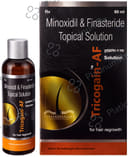
₹644
₹452.3
MRP ₹904.5
Finasteride 0.1% w/v + Minoxidil 10% w/v
₹1,450
₹472.5
MRP ₹750
Finasteride 1% w/v + Minoxidil 5% w/v
₹589.7

Finasteride 0.1% w/v + Minoxidil 5% w/v
₹515.6