Liothyronine
Uses
Liothyronine is used in the treatment of hypothyroidism.
How it Works
How Liothyronine works: Liothyronine is a synthetic form of the thyroid hormone triiodothyronine. It functions by providing the thyroid hormones that are typically produced by the body, thereby treating an underactive thyroid (hypothyroidism).
Side Effects
Common side effects of Liothyronine include arrhythmia (irregular heartbeats), heart attack, breathlessness, headache, nervousness, irritation, insomnia (difficulty sleeping), trembling, muscle weakness, increased appetite, weight loss, diarrhea, heat intolerance, irregular menstrual cycle, and skin rash.
Expert Advice
- Carefully monitor your sugar levels regularly if you are diabetic, as Liothyronine may worsen your sugar levels and increase the requirements for antidiabetic agents or insulin.
- Get your hormone levels checked regularly and inform your doctor if you notice a significant change in your body weight; the dose may need to be adjusted.
- Seek immediate medical help if you experience any of the following symptoms:
- Chest pain
- Shortness of breath
- Fatigue
- Vomiting
- Diarrhea
- Skin rash
- You may experience hair loss after starting treatment with Liothyronine. Although this is temporary, consult your doctor if it concerns you.
- Your doctor has prescribed Liothyronine to replace the natural thyroid hormone that your thyroid gland can no longer produce.
- Liothyronine should be taken on an empty stomach, ideally first thing in the morning. Avoid food, milk, or tea for 1 hour before and 2 hours after taking this medication.
- It may take 6 to 8 weeks to achieve the full effect of the medication.
- For most individuals, Liothyronine can be a lifelong medication. Do not discontinue it without consulting your doctor.
- Inform your doctor if you experience any of the following symptoms:
- Diarrhea
- Nervousness
- Irritability
- Sleep disturbances
- Shaking hands
- Chest pain
- Your doctor may adjust your dose based on your symptoms.
- Leave a gap of at least 4 hours before taking any antacids, calcium or iron supplements, and multivitamins, as these may interfere with the effectiveness of the medication.
- Inform your doctor before changing the brand of Liothyronine, as not all brands may have the same effect.
Top Selling Medicines
Top Health Products
Top Selling Devices
Related Medications

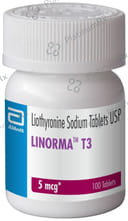
Liothyronine 5mcg
₹1,076.3
MRP ₹1,312.5
Liothyronine 20mcg
₹1,383.7
MRP ₹1,687.5
Liothyronine 25mcg
₹412.5