


Lansoprazole
Uses
Lansoprazole is used in the treatment of acidity, gastroesophageal reflux disease (GERD), and peptic ulcer disease.
How it Works
How Lansoprazole works Lansoprazole is a proton pump inhibitor (PPI). It reduces the amount of acid in the stomach, providing relief from acid-related indigestion and heartburn.
Side Effects
Common side effects of Lansoprazole include nausea, headache, diarrhea, abdominal pain, constipation, and dizziness.
Expert Advice
- Lansoprazole is a well-tolerated medication that provides long-lasting relief.
- It should be taken 1 hour before a meal, preferably in the morning.
- Healthy tips to prevent acidity include:
- Avoid excessive intake of carbonated beverages, soft drinks, citrus juices, fried foods, and caffeinated beverages such as tea and coffee.
- Avoid alcohol and smoking.
- Avoid eating late at night or before bedtime.
- Inform your doctor if you experience:
- Watery diarrhea, fever, or persistent stomach pain.
- No improvement after 14 days of treatment, as this may indicate another underlying issue.
- Long-term use of Lansoprazole may lead to:
- Weak bones.
- Deficiency of minerals such as magnesium.
- Ensure adequate dietary intake of calcium and magnesium, or take supplements as prescribed by your doctor.
- Consult your doctor immediately if you develop:
- Decreased urination.
- Edema (swelling due to fluid retention).
- Lower back pain.
- Nausea.
- Fatigue.
- Rash or fever.
- These symptoms may indicate a kidney problem.
Lansoprazole in other salts
Top Selling Medicines
Top Health Products
Top Selling Devices
Related Medications

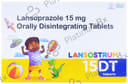
Lansoprazole 15mg
₹75
₹51.6
MRP ₹103.1
Lansoprazole 15mg
₹75
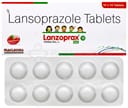
₹84.9
MRP ₹103.5
Lansoprazole 15mg
₹93.7
₹51.6
MRP ₹103.1
Lansoprazole 15mg
₹68.4
₹84.9
MRP ₹103.5
Lansoprazole 30mg
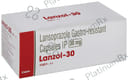
₹50.5
MRP ₹112.3
Lansoprazole 30mg
₹49.9
₹50.5
MRP ₹112.3
Lansoprazole 30mg
₹42.5
₹50.5
MRP ₹112.3
Lansoprazole 30mg
₹37.5
₹50.5
MRP ₹112.3
Lansoprazole 30mg
₹37.5
₹50.5
MRP ₹112.3
Lansoprazole 15mg
₹56.3
₹84.9
MRP ₹103.5
Lansoprazole 15mg
₹75
₹51.6
MRP ₹103.1
Lansoprazole 15mg
₹75
₹84.9
MRP ₹103.5
Lansoprazole 15mg
₹69.8
₹51.6
MRP ₹103.1
Lansoprazole 30mg
₹45
₹50.5
MRP ₹112.3
Lansoprazole 15mg
₹60.9
₹51.6
MRP ₹103.1
Lansoprazole 15mg
₹55.6
₹84.9
MRP ₹103.5
Lansoprazole 30mg
₹121.3
MRP ₹148
Lansoprazole 30mg
₹44.5
₹50.5
MRP ₹112.3
Lansoprazole 30mg
₹158.8
₹50.5
MRP ₹112.3
Lansoprazole 15mg
₹64.7
₹51.6
MRP ₹103.1
Lansoprazole 15mg
₹26
₹84.9
MRP ₹103.5
Lansoprazole 15mg
₹28.2

Lansoprazole 15mg
₹24
Lansoprazole 15mg
₹112.5
Lansoprazole 15mg
₹49.7