


More About Lactitol
Quick Summary
Lactitol is a synthetic sugar alcohol (polyol) derived from lactose. It is not absorbed in the gastrointestinal tract. It is often used as an osmotic laxative for chronic idiopathic constipation (CIC) in adults and for the management of hepatic encephalopathy (brain dysfunction due to liver dysfunction) in patients with chronic liver disease. Since small-intestinal enzymes cannot digest it, Lactitol reaches the colon unchanged. There, it pulls water into the bowel by osmosis and is fermented by gut bacteria into short-chain fatty acids (SCFA). The result is softer, more frequent stools and, in hepatic encephalopathy, reduced ammonia absorption.
Detailed Description
Lactitol is prescribed for adults with CIC (bowel dysfunction with no definite underlying cause) when dietary measures and routine over-the-counter options fail to provide relief and for patients with cirrhosis who have or are at risk of overt hepatic encephalopathy (HE). Chemically similar to lactulose, Lactitol has a more predictable cathartic effect, a less sweet taste, and is typically better tolerated, with fewer reports of nausea, bloating, and excessive gas. Because it is minimally absorbed from the gastrointestinal tract, systemic exposure is negligible.
In constipation, Lactitol increases stool water content and bowel transit without the cramping. In hepatic encephalopathy, Lactitol is fermented in the colon, which lowers the local pH. This converts ammonia into a charged form (ammonium) that cannot be absorbed. This shifts the gut bacteria away from ammonia-producing species, reducing the amount of ammonia reaching the brain.
Uses of Lactitol
Chronic idiopathic constipation (CIC) in adults
Primary or adjunct therapy when lifestyle and dietary measures are insufficient.
Hepatic encephalopathy
Treatment and secondary prevention of HE in patients with cirrhosis, a better alternative to lactulose.
Functional constipation
Short-term use in adults, including those intolerant to other osmotic laxatives.
Bowel regularity
Used where gentler, long-term osmotic laxation is preferred over stimulant laxatives.
Benefits of Lactitol
- Gentle osmotic laxation without the urgency, cramping, or electrolyte shifts of stimulant laxatives.
- Minimally absorbed, so systemic side effects are limited.
- Generally better tolerated than lactulose, with a lower likelihood of bloating, flatulence, and nausea.
- Effective in hepatic encephalopathy by lowering colonic pH, trapping ammonia, and modulating gut microbiota.
- Can be mixed with water, juice, tea, coffee, or soda, improving adherence.
Side Effects of Lactitol
Common
- Gas (flatulence)
- Bloating, distension (expansion of the abdominal cavity), or cramping
- Diarrhoea (at higher doses)
- Upper respiratory tract infection
Uncommon
- Nausea
- Increased creatine phosphokinase (CPK)
- Mild headache
Serious side effects requiring immediate attention
- Dehydration and electrolyte disturbances
- Hypokalaemia (low potassium levels)
- Hyponatraemia (low sodium levels)
- Allergic reactions, which may present as rash, itching, swelling of the face, lips, or throat
- Severe abdominal pain, vomiting, or signs of bowel obstruction
Directions for Use
Empty the prescribed dose of powder into a glass. Add 120 to 240 mL of water, juice, or another common beverage, stir until fully dissolved, and drink the entire contents. Take once daily, preferably with a meal. Drink adequate water throughout the day to avoid dehydration. Take other oral medications at least 2 hours before or after Lactitol, as it may reduce their absorption. Do not stop Lactitol abruptly in patients being treated for hepatic encephalopathy without medical advice, as this may precipitate a relapse.
How it works
Lactitol acts in the colon through two complementary mechanisms: an osmotic laxative effect and a pH-lowering, ammonia-trapping effect.
The small intestine lacks the enzymes needed to break down Lactitol, so it passes unchanged into the colon, where it acts as an osmotically active solute. Because lacitol cannot be absorbed, it stays in the colon and creates a high concentration of dissolved particles inside the bowel. Water moves from the body tissues across the colonic wall into the bowel to balance this concentration, increasing stool water content, softening the stool, and distending the colon. This distension stimulates peristalsis (movement of the muscles throughout the digestive tract) and promotes bowel movements.
Once in the colon, lacitol is fermented by resident bacteria into SCFAs such as lactic, acetic, and propionic acid, which lower colonic pH. At a lower pH, ammonia (lipid-soluble and readily absorbed across the gut wall) becomes protonated to ammonium (NH4+), which is charged and cannot cross cell membranes. Ammonium is therefore trapped in the colon and excreted in stool instead of entering portal circulation.
The acidic, carbohydrate-rich environment also favours saccharolytic bacteria (which produce little ammonia), further reducing gut-derived ammonia. In patients with cirrhosis, where the liver can no longer clear ammonia efficiently, this reduction reduces the risk of hepatic encephalopathy.
Safety Advice for Lactitol

Pregnancy
Unsafe
While systemic absorption is minimal, consult your doctor before use.

Breastfeeding
Limited information
Minimal systemic absorption suggests limited infant exposure. Consult your doctor before use.

Driving
Safe
Excessive diarrhoea may cause dehydration and dizziness.

Alcohol
Caution
Avoid as it worsens dehydration and may aggravate hepatic encephalopathy in cirrhosis.
Drug-Food Interaction
- High-fibre/high-volume meals (MILD): May increase gas and bloating.
- Alcohol (MODERATE): Worsens dehydration from laxative-induced fluid loss and may result in hepatic encephalopathy in cirrhotic patients. Limit or avoid.
- Other oral medicines (MODERATE): Can reduce absorption of co-administered oral drugs. Space by at least 2 hours.
Interactions with Other Drugs
Oral medications (thyroxine, oral contraceptives, antiepileptics)
MODERATE
May reduce absorption of concomitant oral drugs. Space by at least 2 hours.
Other laxatives (lactulose, polyethylene glycol, senna)
MODERATE
Additive laxative effect increases risk of diarrhoea, dehydration, and electrolyte loss.
Diuretics (furosemide, hydrochlorothiazide)
MODERATE
Increased risk of dehydration and electrolyte imbalance, especially hypokalaemia.
Digoxin
CAUTION
Diarrhoea-induced hypokalaemia increases the risk of digoxin toxicity.
Corticosteroids
CAUTION
Higher risk of hypokalaemia with prolonged therapy.
Drug-Disease Interactions
- Galactosaemia: Contraindicated due to galactose content, which cannot be metabolised and can cause severe toxicity.
- Bowel obstruction: Contraindicated in confirmed or at-risk cases of mechanical bowel obstruction.
- Severe inflammatory bowel disease: Use with caution, especially in people with obstruction, toxic megacolon, or fulminant colitis.
- Chronic diarrhoea: Avoid, as Lactitol will worsen stool frequency and fluid loss.
- Severe renal impairment: Use with caution and monitor electrolytes if severe diarrhoea occurs.
- Severe cardiovascular disease: Use with caution due to the risk of electrolyte disturbances.
Overdose
Overdose typically presents as severe diarrhoea, abdominal cramping, dehydration, and electrolyte disturbances. In patients with cirrhosis, excessive diarrhoea can precipitate hypovolaemia (low blood volume) and worsen hepatic encephalopathy. Management includes discontinuing the medication, rehydrating orally or intravenously, correcting electrolyte abnormalities, and monitoring renal function. Seek immediate medical help if you experience severe diarrhoea, confusion, or weakness.
What If You Forget to take Lactitol?
For constipation, if you forget a dose, take it as soon as you remember that day. If it is close to the next dose, skip the missed dose and continue your regular schedule. Do not double-dose, as this can cause excessive diarrhoea and dehydration. In hepatic encephalopathy, consistent dosing is critical. If you miss more than one dose, contact your doctor promptly, as interruption may result in a relapse.
References
Fact Box
Therapeutic Class
Laxative / agent for hepatic encephalopathy
Action Class
Osmotic laxative
Chemical Class
Synthetic sugar alcohol
Habit Forming
No
Checkout Editorial Policy
Lactitol in other salts
Top Selling Medicines
Top Health Products
Top Selling Devices
Related Medications

Lactitol 10gm
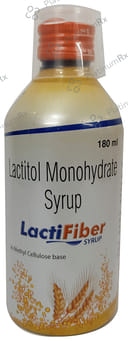
₹401
₹215.4
MRP ₹295
Lactitol 10gm
₹336
₹215.4
MRP ₹295
Lactitol 10gm
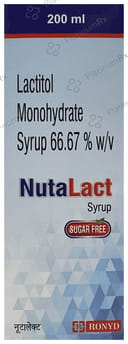
₹289
₹215.4
MRP ₹295
Lactitol 3.33gm
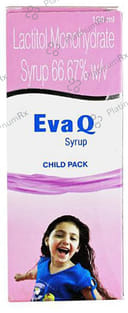
₹145.3
MRP ₹177.2
Lactitol 3.33gm
₹253
MRP ₹308.5
Lactitol 10gm
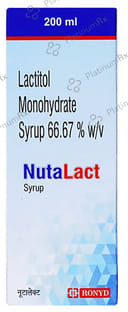
₹289
₹215.4
MRP ₹295
Lactitol 10gm
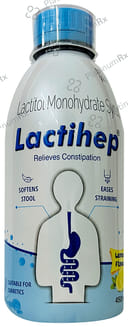
₹595
₹215.4
MRP ₹295
Lactitol 3.33gm
₹99
₹253
MRP ₹308.5
Lactitol 10gm
₹257.8
₹215.4
MRP ₹295
Lactitol 10gm
₹275
₹215.4
MRP ₹295
Lactitol 10gm
₹312
₹215.4
MRP ₹295
Lactitol 10gm
₹205
₹215.4
MRP ₹295
Lactitol 10gm
₹140.6
₹215.4
MRP ₹295
Lactitol 10gm
₹250.9
₹215.4
MRP ₹295
Lactitol 10gm
₹215.4
MRP ₹295
Lactitol 10gm
₹407
₹215.4
MRP ₹295
Lactitol 10gm
₹311
₹215.4
MRP ₹295
Lactitol 3.33gm
₹186.6
₹253
MRP ₹308.5
Lactitol
₹149

Lactitol 10gm
₹72.8
Lactitol 1gm
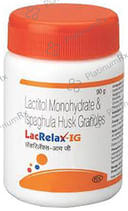
₹145
Lactitol 66.6gm
₹29.5
Lactitol 1gm
₹275
Lactitol 10gm
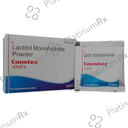
₹18.8
Lactitol 0.01gm
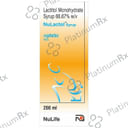
₹409