


More About Lactic Acid (Lactobacillus)
Quick Summary
Lactic Acid (Lactobacillus) is a probiotic supplement containing lactic acid–producing bacteria, mainly Lactobacillus species. These beneficial bacteria help support a healthy gut microbiome, improve digestion, and maintain a balanced intestinal environment.
Detailed Description
Lactic Acid (Lactobacillus) is a dietary probiotic that introduces beneficial Lactobacillus bacteria into the digestive tract. These bacteria help maintain an acidic intestinal environment, which may limit the growth of harmful organisms and support a more stable microbial balance.
Lactobacillus species may also support the gut lining, assist local immune function, and help break down certain carbohydrates and lactose. This supplement should be taken only under medical supervision, because the dose and duration depend on age, digestive condition, and other medicines being used. It is usually taken once or twice daily, with or without food, as directed. Benefits are gradual, and many people notice improvement in bloating, digestion, or stool regularity after several days to a few weeks of consistent use.
Extra caution is needed in people with severe immune deficiency, recent major surgery, central-line dependence, or critical illness, because probiotics may behave differently in very vulnerable patients. Although Lactic Acid (Lactobacillus) does not cure underlying gut disease, it can help support digestive comfort and overall gut health as part of an appropriate treatment plan.
Uses of Lactic Acid (Lactobacillus)
Lactic Acid (Lactobacillus) is typically indicated by a doctor for:
- Digestive discomfort and irregular bowel habits, including bloating, gas, occasional diarrhoea, or constipation.
- Antibiotic-associated or travel-related diarrhoea, to help restore a healthier gut microbiome.
- Lactose-related digestive issues, to support better digestion of lactose-containing foods.
- Support of gut-immune balance, to help maintain a healthier intestinal environment.
Benefits of Lactic Acid (Lactobacillus)
Lactic Acid (Lactobacillus) may help support gut wellness in several ways:
- Helps maintain a balanced gut microbiome by promoting beneficial Lactobacillus bacteria.
- Supports easier digestion and may reduce bloating or gas.
- May reduce the frequency or severity of mild diarrhoea, especially when linked to antibiotics.
- Supports gut barrier function and local immune balance.
- Promotes more regular bowel habits when used consistently under medical supervision.
Side Effects of Lactic Acid (Lactobacillus)
Lactic Acid (Lactobacillus) may cause side effects, although not everyone will experience them. Most are mild and temporary, but some may need medical attention.
Common Side Effects
- Mild bloating or gas.
- Mild stomach discomfort or cramping.
- Soft stools or mild changes in bowel frequency.
- Mild changes in appetite or digestion.
Uncommon Side Effects
- Mild nausea or belching.
- Temporary changes in taste or mouth discomfort.
- Rare skin rash or mild allergic-type reaction.
Serious Side Effects
- Seek medical help right away if you notice:
- Signs of severe allergic reaction, such as rash, hives, swelling, or difficulty breathing.
- Severe abdominal pain, persistent vomiting, or bloody or black stools.
- Fever with chills or signs of serious infection, especially if immunity is weak or if surgery was recent.
Directions for Use
- Take Lactic Acid (Lactobacillus) exactly as suggested by your doctor, based on your age, digestive condition, and other medicines or supplements you may be using. It is usually taken once or twice daily, with or without food, as directed, because this helps maintain a steady supply of beneficial bacteria in the gut.
- Try to take it at the same time each day. Swallow the medicine whole with water; do not crush, chew, or open the capsule unless your doctor or pharmacist advises otherwise, as this may reduce the number of live bacteria reaching the gut. Do not change the dose or frequency on your own. Continue using Lactic Acid (Lactobacillus) for the full duration recommended, even if you start feeling better.
How it works
Lactic Acid (Lactobacillus) contains Lactobacillus species that ferment certain carbohydrates and produce lactic acid, which lowers intestinal pH and discourages the overgrowth of harmful bacteria. These bacteria can also adhere to the gut lining, helping strengthen the intestinal barrier and support a healthier gut environment.
Lactobacillus may interact with the local immune system in the gut and help some people digest lactose and other hard-to-digest carbohydrates more effectively. Together, these actions support microbial balance, digestive comfort, and intestinal health when used consistently under medical supervision.
Safety Advice for Lactic Acid (Lactobacillus)

Pregnancy
Caution
Probiotics containing Lactobacillus are generally considered low risk in pregnancy, but safety depends on the specific strain and your medical condition; use only if your doctor recommends it .

Breastfeeding
Unsafe
Lactobacillus probiotics are usually considered compatible with breastfeeding, but medical advice is still recommended before starting, especially if you or your baby have health problems .

Driving
Safe
Lactic Acid (Lactobacillus) is not known to impair alertness, coordination, or reaction time in healthy people .

Liver
Caution
Lactobacillus probiotics are not typically associated with liver toxicity, but people with serious illness should use them only under medical supervision .

Kidney
Caution
Use medical supervision if you have significant kidney disease or are very unwell, as overall clinical status matters more than the probiotic itself .

Alcohol
Caution
Alcohol does not have a known direct interaction with Lactic Acid (Lactobacillus), but excess alcohol may worsen digestive symptoms and gut balance .
Quick Tips for Lactic Acid (Lactobacillus)
- Combine Lactic Acid (Lactobacillus) with a balanced, fibre-rich diet that includes fruits, vegetables, legumes, and whole grains.
- Fermented foods such as yogurt, kefir, sauerkraut, or kimchi can complement this probiotic.
- If you are taking antibiotics, ask your doctor whether to space the doses apart by a few hours.
- Avoid very hot beverages or strongly acidic drinks right before or after the dose.
- Tell your doctor if you have a weakened immune system, recent major surgery, or a central venous line.
Storage Advice
Store Lactic Acid (Lactobacillus) as instructed on the label. Some formulations require refrigeration, while others are stable at room temperature, because live bacteria are sensitive to heat, moisture, and light.
If refrigeration is needed, keep it in the main part of the fridge, not the door. If room-temperature storage is allowed, keep it in a cool, dry place away from direct sunlight or heat sources. Keep the container tightly closed and out of reach of children and pets.
Drug-Food Interaction
- Meals (mild impact): Taking Lactic Acid (Lactobacillus) with or shortly after a meal may help protect the live bacteria from stomach acid.
- Fermented foods (beneficial): Yogurt, kefir, and similar foods can complement the supplement.
- Very hot or very acidic drinks (caution): Coffee, citrus juices, and very hot drinks may reduce the survival of the live bacteria.
Interactions with Other Drugs
- Antibiotics (moderate): Antibiotics can reduce live Lactobacillus, so timing may need adjustment.
- Immunosuppressants and chemotherapy (consult your doctor): Use should be individualised because of infection risk.
- Anti-diarrhoeal medicines (consult your doctor): Timing may need to be adjusted so the probiotic can reach the gut.
- Vitamins and minerals (no major interaction): Usually safe, if reviewed by your doctor.
Drug-Disease Interactions
- Severe immune deficiency or critical illness (caution): Use only under close medical supervision because rare bloodstream infections have been reported in vulnerable patients.
- Short-bowel syndrome or central-line dependence (caution): Specialist review is needed before use.
- Persistent or severe diarrhoea with fever (consult your doctor): Do not rely only on Lactic Acid (Lactobacillus); medical evaluation is needed.
Overdose
Taking more than the recommended dose is unlikely to improve benefits and may increase mild side effects such as bloating, gas, or stomach discomfort. Serious harm is rare in healthy people, but if you develop severe abdominal pain, persistent vomiting, fever, chills, or signs of infection, stop Lactic Acid (Lactobacillus) and seek medical attention.
What If You Forget to take Lactic Acid (Lactobacillus)?
If you miss a dose, take it as soon as you remember, ideally with a meal or shortly after eating, unless it is almost time for your next scheduled dose. If it is close to the next dose, skip the missed one and return to your regular schedule. Do not take a double dose or extra dose to make up for it.
References
Fact Box
Therapeutic Class
Digestive health support / probiotic supplement / diarrhoea management
Action Class
Probiotic / gut flora support / lactic acid–producing microbial supplement
Chemical Class
Probiotic lactic acid–producing bacteria, primarily Lactobacillus species
Habit Forming
No
Checkout Editorial Policy
Lactic Acid (Lactobacillus) in other salts
Top Selling Medicines
Top Health Products
Top Selling Devices
Related Medications

Lactic Acid (Lactobacillus) 2.5B
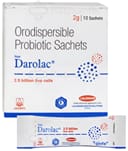
₹13.8
MRP ₹16.9
Lactic Acid (Lactobacillus) 2.5B

₹111.5
MRP ₹135.9
Lactic Acid (Lactobacillus) 120M
₹110
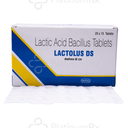
₹43.8
MRP ₹87.7
Lactic Acid (Lactobacillus) 60M
₹20
₹12
MRP ₹24
Lactic Acid (Lactobacillus) 60M
₹10
₹12
MRP ₹24
Lactic Acid (Lactobacillus) 2.5B
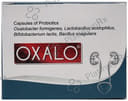
₹412.7
₹111.5
MRP ₹135.9
Lactic Acid (Lactobacillus) 2.5B
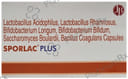
₹232.8
₹111.5
MRP ₹135.9
Lactic Acid (Lactobacillus) 120M
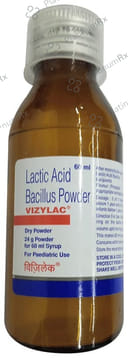
₹56.7
MRP ₹69.1
Lactic Acid (Lactobacillus) 120M
₹163.1
₹43.8
MRP ₹87.7
Lactic Acid (Lactobacillus) 120M
₹18
₹43.8
MRP ₹87.7
Lactic Acid (Lactobacillus) 60M
₹11.3
₹12
MRP ₹24
Lactic Acid (Lactobacillus) 120M
₹20
₹43.8
MRP ₹87.7
Lactic Acid (Lactobacillus) 120M
₹265.3
₹43.8
MRP ₹87.7
Lactic Acid (Lactobacillus) 15B
₹460
MRP ₹561
Lactic Acid (Lactobacillus) 120M
₹348
₹43.8
MRP ₹87.7
Lactic Acid (Lactobacillus) 60M
₹10
₹12
MRP ₹24
Lactic Acid (Lactobacillus) 60M
₹12
MRP ₹24
Lactic Acid (Lactobacillus) 120M
₹82.5
₹43.8
MRP ₹87.7
Lactic Acid (Lactobacillus) 120M
₹91.9
₹43.8
MRP ₹87.7
Lactic Acid (Lactobacillus) 120M
₹68.2
₹43.8
MRP ₹87.7
Lactic Acid (Lactobacillus) 120M
₹79.7
₹43.8
MRP ₹87.7
Lactic Acid (Lactobacillus) 120M
₹85
₹43.8
MRP ₹87.7
Lactic Acid (Lactobacillus) 60M
₹17

Lactic Acid (Lactobacillus) 120M
₹12
Lactic Acid (Lactobacillus) 3B
₹45