


Iodixanol
Uses
Iodixanol is used as a diagnostic agent.
How it Works
How Iodixanol works Iodixanol is an iodine-based contrast medium used before radiological examinations, such as X-rays, to create contrast in the body. When injected, it temporarily highlights specific areas by absorbing X-rays, making the targeted structures or blood flow visible during imaging. This assists doctors in more easily identifying any issues or irregularities in the body.
Side Effects
Common side effects of Iodixanol include general discomfort, a warm sensation at the injection site, and pain at the injection site.
Expert Advice
- Patients should be well-hydrated before and after the administration of Iodixanol.
- Inform your doctor if you have a history of:
- Allergies
- Thyroid problems
- Clotting or bleeding issues
- Kidney problems
- Bronchial asthma
- It is essential to inform your doctor about all medications you are currently taking.
- After the radio-diagnostic procedure using Iodixanol, your doctor may request that you remain for observation.
Top Selling Medicines
Top Health Products
Top Selling Devices
Dr. Morepen Gluco One BG-03 Test StripsAccu-Chek Instant Test StripsAccu-Chek Active Test StripsDr. Morepen BP-14 Blood Pressure MonitorAccu-Chek Active Test Strips 100sOneTouch Select Plus Test StripsDr. Morepen BG-03 GlucometerOneTouch Verio Test StripsAccu-Chek Instant S GlucometerAccu-Chek Active Test Strips 25sView More
Related Medications

Salt Composition
Iodixanol 625mg
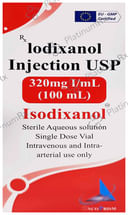
Isodixanol Injection
Jodas Expoim
Bottle of 100 ml
MRP
₹3,500

Sorry, Substitute Medicine is Unavailable