More About Insulin Isophane/NPH + Human Insulin/Soluble Insulin
Quick Summary
Insulin Isophane/NPH + Human Insulin/Soluble Insulin is a two-staged combination of soluble human insulin (rapid-acting) and insulin isophane/NPH (intermediate-acting). It is used to manage blood glucose levels in type 1 and type 2 diabetes mellitus. The soluble component provides a quick initial glucose-lowering effect to manage blood sugar spikes experienced post-meal. The NPH component provides a prolonged baseline effect to control fasting and inter-meal glucose. Together, they deliver both around meals (prandial) and basal insulin coverage in a single injection.
Detailed Description
Insulin Isophane/NPH + Human Insulin/Soluble Insulin is an insulin product combining two distinct types of insulin in a fixed ratio. The common ratio available for this product could be 30/70, 50/50 or 25/75 based on what your doctor recommends for your condition. Insulin Isophane/NPH + Human Insulin/Soluble Insulin is designed to more closely simulate the body's natural physiological insulin release pattern than a single insulin preparation alone.
Soluble human insulin is structurally similar to endogenous insulin. After the injection is delivered subcutaneously (between the fatty tissue and muscle), it begins to act within 30 minutes, peaks at 1 to 3 hours, and stays for a duration of 6 to 8 hours, covering mealtime glucose spikes. Insulin isophane (NPH — Neutral Protamine Hagedorn) is a microcrystalline suspension of soluble insulin mixed with protamine at a neutral pH. This complex dissolves slowly at the injection site, producing a delayed onset of 1.5–2 hours. The peak comes at 4 to 12 hours, stays for a duration of 16 to 24 hours, providing inter-meal and overnight basal insulin coverage.
Because the two insulins are pre-combined, this preparation reduces the number of daily injections and simplifies the insulin regimen. It is extremely useful for people who need both prandial and basal coverage and would otherwise need separate injections of each.
Uses of Insulin Isophane/NPH + Human Insulin/Soluble Insulin
Type 1 Diabetes Mellitus
Provides complete basal and prandial insulin replacement.
Type 2 Diabetes Mellitus
Used when oral antidiabetic agents are insufficient to provide the desired glycaemic control.
Gestational Diabetes
May be used after a doctor’s recommendation when lifestyle measures are inadequate.
Benefits of Insulin Isophane/NPH + Human Insulin/Soluble Insulin
- Both fast-acting and long-acting types of insulin are combined in a single injection, lowering the frequency of daily injections.
- Soluble insulin effectively controls post-meal blood glucose spikes.
- NPH insulin maintains basal glucose levels between meals and overnight.
- Simplifies insulin regimens, improving treatment adherence, especially in people diagnosed with type 2 diabetes.
- Available in multiple ratio formulations, allowing people to choose from what suits their condition better based on their doctor’s recommendation.
Side Effects of Insulin Isophane/NPH + Human Insulin/Soluble Insulin
Common
- Hypoglycaemia (low blood sugar), the most frequent adverse effect that may present as tremors, sweating, hunger, and palpitations (pounding of the heart)
- Redness, swelling, and lipodystrophy (loss of fat) on the injection site due to repeated injections at the same site
- Weight gain
Uncommon
- Oedema (swelling due to fluid buildup), especially in the beginning or after a significant dose increase
- Temporary change in vision due to rapid changes in blood glucose
- Localised allergic skin reactions
Serious requiring immediate attention
- Severe hypoglycaemia, which may present as confusion, seizure, or loss of consciousness
- Systemic allergic reaction, which may present as a generalised rash, angioedema (swelling in deep tissues), and anaphylaxis
- Hypokalaemia (low potassium), especially in patients on concurrent diuretics
Directions for Use
Administered by subcutaneous injection only in the abdomen, thigh, or upper arm. It should never be administered intravenously (in the veins) or intramuscularly (in the muscles) for routine use. Gently roll the vial or pen before use to resuspend the NPH component. Never shake vigorously. Inject 15–30 minutes before a meal. Rotate injection sites at every dose to prevent lipodystrophy. Your dose is strictly individualised by your doctor and must not be altered without medical guidance.
How it works
In healthy individuals, pancreatic beta cells release insulin continuously in small amounts (basal secretion) and in larger amounts after meals (prandial secretion). Insulin binds to the transmembrane tyrosine kinase (an insulin receptor) present on target cells in skeletal muscle, adipose tissue, and the liver.
When insulin binds to its receptor on the cell surface, it triggers a chain reaction inside the cell (IRS-1 → PI3K → Akt pathway). In muscle and fat cells, it causes glucose transporter proteins to move from inside the cell to the cell surface, opening the door for glucose to enter from the bloodstream. In the liver, it prevents the breakdown of stored glycogen into glucose and the production of new glucose from amino acids and other sources. Both actions reduce the amount of glucose the liver releases into the blood.
The soluble and NPH components of the injection activate this same mechanism, just at different times. The soluble insulin does it quickly to handle the post-meal glucose rise, while NPH does it slowly and steadily in the background to keep glucose levels stable between meals and overnight.
The soluble insulin component dissolves readily after subcutaneous injection and is absorbed rapidly into the bloodstream, producing a short, sharp insulin peak that handles post-meal glucose excursions, mimicking the natural prandial insulin spike.
The NPH component is an insoluble microcrystalline suspension of insulin-protamine complexes. At the injection site, tissue proteases gradually digest the protamine-insulin lattice, releasing free insulin molecules slowly over many hours. This sustained, controlled release produces a flat, prolonged insulin profile that suppresses hepatic glucose output between meals and overnight, closely mimicking physiological basal insulin secretion. The combination in a single injection thus delivers both mealtime and background glucose control simultaneously.
Safety Advice for Insulin Isophane/NPH + Human Insulin/Soluble Insulin

Pregnancy
Unsafe
Insulin is the preferred treatment for diabetes in pregnancy. Dose requirements change significantly by trimester.

Breastfeeding
Safe
Insulin does not pass significantly into breast milk. But dose adjustments are often required post-delivery.

Driving
Caution
Hypoglycaemia impairs alertness and reaction time. Always monitor blood glucose before driving and carry fast-acting glucose.

Liver
Unsafe
Insulin clearance is reduced in such patients; hence, dose reduction is typically required to prevent hypoglycaemia.

Kidney
Unsafe
Insulin clearance is reduced in such patients; hence, dose reduction is typically required to prevent hypoglycaemia.

Alcohol
Unsafe
Alcohol can mask hypoglycaemia warning signs and worsen the glucose-lowering effect.
Drug-Food Interaction
- Alcohol (SEVERE): Inhibits hepatic gluconeogenesis (crucial for blood sugar maintenance), masking early hypoglycaemia symptoms (tachycardia, sweating) and prolonging or worsening hypoglycaemic episodes.
- High-glycaemic meals: Consuming unexpectedly large amounts of carbohydrates relative to the insulin dose can cause post-meal hyperglycaemia.
Interactions with Other Drugs
Oral antidiabetics (sulfonylureas)
CAUTION
Increases the risk of hypoglycaemia
Beta-blockers
CAUTION
Masks tachycardia (high BP), which is a key warning sign of hypoglycaemia
Corticosteroids / Thiazide diuretics
CAUTION
Works opposite to insulin, raising blood glucose
MAO inhibitors
CAUTION
May add on to insulin's glucose-lowering effect, increasing hypoglycaemia risk
ACE inhibitors
CAUTION
May enhance insulin sensitivity
Drug-Disease Interactions
- Renal impairment: Insulin is cleared by the kidneys. If the renal function is impaired, insulin action gets prolonged, increasing the risk of hypoglycaemia.
- Hepatic impairment: Low hepatic glucose production and impaired insulin metabolism increase hypoglycaemia risk.
- Hypokalaemia: Insulin drives potassium into cells. This increases the risk of hypokalemia in patients with already-low potassium.
- Heart failure: Insulin-induced fluid retention may worsen fluid overload in heart failure patients.
- Hypothyroidism / Adrenal insufficiency: Both conditions increase insulin sensitivity and hypoglycaemia risk.
Overdose
An insulin overdose can result in hypoglycaemia. Mild hypoglycaemia can result in tremors, sweating, hunger, or palpitations and can be treated with fast-acting carbohydrates (glucose tablets or fruit juice). Severe hypoglycaemia can cause confusion, seizures, loss of consciousness, or even coma; therefore requires intravenous glucose (50% dextrose) or intramuscular glucagon injection. Seek emergency medical attention immediately. Do not wait for symptoms to worsen.
What If You Forget to take Insulin Isophane/NPH + Human Insulin/Soluble Insulin?
Because Insulin Isophane/NPH + Human Insulin/Soluble Insulin is taken before meals, a missed dose should be handled carefully. If you remember, take the dose as directed before starting your meal. If you have already eaten or significant time has passed, skip the missed dose and do not double the next dose. Monitor your blood glucose more frequently after a missed dose. Consult your doctor for specific guidance as insulin regimens are highly individualised.
References
Fact Box
Therapeutic Class
Antidiabetic
Action Class
Rapid-acting + Intermediate-acting antidiabetic (insulin)
Chemical Class
Biphasic insulin — Soluble human insulin + Insulin isophane (NPH)
Habit Forming
No
Checkout Editorial Policy
Top Selling Medicines
Top Health Products
Top Selling Devices
Related Medications

100IU | Insulin Isophane/NPH 70% + Human Insulin/Soluble Insulin 30%
₹569
₹447.5
MRP ₹545.7
100IU | Insulin Isophane/NPH 70% + Human Insulin/Soluble Insulin 30%
₹285.6
MRP ₹344.1
Human Insulin/Soluble Insulin 30% + 40IU | Insulin Isophane/NPH 70%
₹177
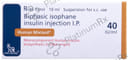
₹157.8
MRP ₹181.4
40IU | Human Insulin/Soluble Insulin 50% | Insulin Isophane/NPH 50%
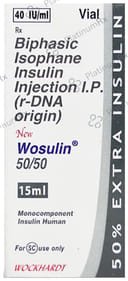
₹207.3
MRP ₹252.8
Human Insulin/Soluble Insulin 30% + 40IU | Insulin Isophane/NPH 70%
₹181.4
₹157.8
MRP ₹181.4
Human Insulin/Soluble Insulin 30% + 40IU | Insulin Isophane/NPH 70%
₹181.1
₹157.8
MRP ₹181.4
Human Insulin/Soluble Insulin 50% + 100IU | Insulin Isophane/NPH 50%
₹283.9
₹768.3
MRP ₹936.9
40IU | Human Insulin/Soluble Insulin 50% | Insulin Isophane/NPH 50%
₹278
₹207.3
MRP ₹252.8
100IU | Insulin Isophane/NPH 70% + Human Insulin/Soluble Insulin 30%
₹2,123
₹382.5
MRP ₹466.5
Human Insulin/Soluble Insulin 30% + 40IU | Insulin Isophane/NPH 70%
₹157.8
MRP ₹181.4
Human Insulin/Soluble Insulin 50% + 40IU | Insulin Isophane/NPH 50%
₹292.3
₹181.8
MRP ₹209
Human Insulin/Soluble Insulin 50% + 100IU | Insulin Isophane/NPH 50%
₹569
₹388.1
MRP ₹462
40IU | Human Insulin/Soluble Insulin 30% | Insulin Isophane/NPH 70%

₹200.1
₹165.2
MRP ₹201.4
100IU | Insulin Isophane/NPH 70% + Human Insulin/Soluble Insulin 30%
₹375.1
₹382.5
MRP ₹466.5
Human Insulin/Soluble Insulin 50% + 100IU | Insulin Isophane/NPH 50%

₹266.9
₹768.3
MRP ₹936.9
100IU | Insulin Isophane/NPH 70% + Human Insulin/Soluble Insulin 30%
₹382.5
MRP ₹466.5
Human Insulin/Soluble Insulin 50% + 100IU | Insulin Isophane/NPH 50%
₹412.6
₹768.3
MRP ₹936.9
Human Insulin/Soluble Insulin 50% + 100IU | Insulin Isophane/NPH 50%
₹2,123
₹768.3
MRP ₹936.9
100IU | Insulin Isophane/NPH 70% + Human Insulin/Soluble Insulin 30%
₹454.6
₹382.5
MRP ₹466.5
100IU | Insulin Isophane/NPH 70% + Human Insulin/Soluble Insulin 30%
₹1,835
₹489.7
MRP ₹590
100IU | Insulin Isophane/NPH 70% + Human Insulin/Soluble Insulin 30%
₹616
₹447.5
MRP ₹545.7
Human Insulin/Soluble Insulin 50% + 100IU | Insulin Isophane/NPH 50%
₹487.2
MRP ₹560
200IU | Human Insulin/Soluble Insulin 30% | Insulin Isophane/NPH 70%
₹464.1
MRP ₹566
40IU | Human Insulin/Soluble Insulin 30% | Insulin Isophane/NPH 70%
₹165.2
MRP ₹201.4
Human Insulin/Soluble Insulin 50% + 100IU | Insulin Isophane/NPH 50%
₹1,841