


Human Papillomavirus Quadrivalent (Types 6, 11, 16, and 18) Vaccine, Recombinant
Uses
Human Papillomavirus Quadrivalent (Types 6, 11, 16, and 18) Vaccine, Recombinant is used to prevent HPV-associated cancers, including genital warts and cervical cancer.
How it Works
How Human Papillomavirus Quadrivalent (Types 6, 11, 16, and 18) Vaccine, Recombinant Works Human Papillomavirus Quadrivalent (Types 6, 11, 16, and 18) Vaccine, Recombinant is a vaccine that helps develop immunity by initiating a mild infection. This type of infection does not cause illness but stimulates the body's immune system to produce antibodies to protect against future infections.
Side Effects
Common side effects of the Human Papillomavirus Quadrivalent (Types 6, 11, 16, and 18) Vaccine, Recombinant include nausea, headache, fever, injection site hematoma, and pain in the extremities.
Expert Advice
- Human Papillomavirus Quadrivalent (Types 6, 11, 16, and 18) Vaccine, Recombinant helps protect against diseases caused by Human Papillomavirus (HPV), such as genital warts and certain types of cancer, including cervical cancer.
- It does not cure an existing HPV infection but can protect you from other strains of HPV.
- If you are 9 to 14 years of age, you will receive a 2-dose schedule (0 and 6 months).
- If you are 15 years or older, you will receive a 3-dose schedule (0, 1, and 6 months).
- The vaccine is usually administered by injection into the muscle of the upper arm.
- Remain seated for at least 15 minutes after the injection, as it may cause dizziness or fainting.
- Inform your doctor if you have a bleeding disorder or if you are taking medications such as high doses of corticosteroids or immunosuppressants.
- It does not protect against every type of HPV.
- Take precautions against sexually transmitted diseases and follow your doctor’s advice.
- It is essential to complete the full vaccination course.
- If you forget to take a dose, you can resume from where you left off. Consult with your doctor to confirm if you can resume.
Top Selling Medicines
Top Health Products
Top Selling Devices
Related Medications

Human Papillomavirus Quadrivalent Types 6, 11, 16, and 18 Vaccine, Recombinant 20mcg

₹3,927
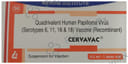
₹1,640
MRP ₹2,000
Human Papillomavirus Quadrivalent Types 6, 11, 16, and 18 Vaccine, Recombinant 20mcg
₹1,640
MRP ₹2,000