Contact usLogin

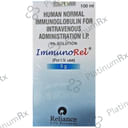
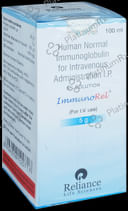
Human Gamma Globulin

Uses

Human Gamma Globulin is used in the treatment of infections.

How it Works

How Human Gamma Globulin Works Human gamma globulin contains antibodies, primarily immunoglobulin G (IgG), that target various bacteria and viruses commonly found in the general population, including hepatitis A, measles, mumps, rubella, and varicella. Its distribution of IgG subclasses closely resembles that of normal human plasma. Consequently, it is used to provide passive immunization against these diseases.

Side Effects

Common side effects of Human Gamma Globulin include nausea, skin eruptions, allergic reactions, headaches, injection site tenderness, injection site pain, lightheadedness, and vomiting.

Other Combinations

Frequently asked questions

How is Human Gamma Globulin produced?
Human Gamma Globulin is produced from healthy human blood that contains a high concentration of antibodies, which are crucial for combating infections.
What is Human Gamma Globulin and its uses?
Human Gamma Globulin is a solution derived from human serum containing antibodies from healthy adults. It is used to enhance the immune system's ability to fight infections in individuals with weakened immunity and to increase platelet counts in patients with idiopathic thrombocytopenic purpura (ITP).
What distinguishes Human Gamma Globulin from immunoglobulin?
Human Gamma Globulin is a type of blood protein produced by lymphocytes and plasma cells during an immune response. Most forms of Human Gamma Globulin are classified as immunoglobulins, or antibodies, which are essential for immune function.
What is the method of administration for Human Gamma Globulin?
Human Gamma Globulin must be administered by a qualified healthcare professional and should never be self-administered. It is typically given as a subcutaneous injection or intravenously, with the dosage determined by the treating physician based on the patient's condition. Adhere to your doctor's instructions for optimal results.
;