


More About Glycopyrrolate + Indacaterol
Quick Summary
Glycopyrrolate + Indacaterol is an inhaled medicine for long-term care of chronic obstructive pulmonary disease (COPD) in adults. COPD is a lung disease that makes breathing hard over time. This page covers the once-daily capsule that contains glycopyrronium 50 micrograms and indacaterol 110 micrograms. The medicine has two active ingredients. Glycopyrrolate is also called glycopyrronium. It is a long-acting muscarinic antagonist (LAMA), a medicine that stops the airway muscles from tightening. Indacaterol is a long-acting beta2-agonist (LABA), a medicine that makes the airway muscles relax. You breathe in the powder from one capsule once a day using an inhaler device. It helps with daily symptoms such as breathlessness. It is not a rescue inhaler for sudden attacks.
Detailed Description
COPD narrows the breathing tubes in your lungs. This makes everyday activities such as walking or climbing stairs tiring. Glycopyrrolate + Indacaterol is a maintenance treatment, which means you use it every day to keep the airways more open. It helps control daily breathlessness, wheezing and chest tightness caused by narrowed airways. COPD is a long-term condition, so treatment is usually ongoing.
The two ingredients relax the muscles around the airways in different ways. Glycopyrrolate blocks a natural chemical called acetylcholine, which makes the airway muscles tighten. Indacaterol switches on receptors that tell the same muscles to relax. The receptors each ingredient acts on are spread differently through the lungs. Because of this, the two ingredients may complement each other across both the larger and smaller airways. In studies, the combination improved lung function more than either ingredient alone.
In clinical studies, breathing started to improve within 5 minutes of the first dose. The effect lasted the full 24 hours between doses. Because one inhalation lasts all day, you only need to remember a single dose. Having both medicines in one capsule also means you need one inhaler instead of two.
The capsules hold a dry powder for breathing in. They must never be swallowed. They work only when used with a suitable inhaler device. If your breathing does not seem to get better, check with your doctor or pharmacist that you are inhaling the dose correctly.
Glycopyrrolate + Indacaterol should not be used to treat asthma. It is also not meant for a sudden attack of breathlessness or wheezing. For those attacks, your doctor will give you a separate fast-acting reliever inhaler. Medical supervision matters with this medicine. Indacaterol can affect heart rate, blood potassium and blood sugar. Glycopyrrolate can make some eye and bladder problems worse. Tell your doctor if you have heart disease, glaucoma, prostate or bladder problems, or diabetes. Your doctor may monitor these more closely during treatment. Do not use Glycopyrrolate + Indacaterol with other inhalers that contain a LABA or a LAMA, because you would be taking a double dose of the same type of medicine.
Benefits of Glycopyrrolate + Indacaterol
- Two ways to open the airways: Glycopyrrolate + Indacaterol combines a muscle-relaxing medicine (indacaterol) with a medicine that blocks airway tightening (glycopyrrolate). In studies, the combination improved lung function more than either one alone.
- Complementary action: The two ingredients act on different receptors, which are spread differently through the airways. This may help them complement each other.
- Quick start: In studies, breathing improved within 5 minutes of the first dose.
- Once-daily dosing: Each dose lasts 24 hours, so one inhalation a day is enough.
- One inhaler instead of two: Both medicines are in a single capsule. This makes the daily routine simpler.
- Steady effect over time: In clinical studies, the airway-opening effect did not weaken with continued use.
Side Effects of Glycopyrrolate + Indacaterol
Common Side Effects (Usually Mild)
- Cough, usually mild
- Sore or irritated throat
- Cold-like symptoms, such as a runny or blocked nose, sneezing or sinus pain
- Headache
- Dizziness
- Indigestion or upset stomach
- Tooth decay
- Fever
- Dry mouth
- Trouble sleeping
- Muscle aches, muscle spasms or pain in the arms or legs
- Tiredness
- Swelling of the ankles or feet
- Itching or skin rash
- Nosebleed
- Hoarse voice
Serious Side Effects (Seek Urgent Medical Attention)
- Paradoxical bronchospasm: This means your airways suddenly tighten right after you inhale, instead of opening up. You may have sudden wheezing, coughing or difficulty breathing. It can be life-threatening. Stop using Glycopyrrolate + Indacaterol and get emergency help.
- Allergic reaction, including angioedema: Angioedema is swelling under the skin. Look for swelling of the tongue, lips, face or throat, difficulty breathing or swallowing, hives or a rash. Stop the medicine and get help right away.
- Acute narrow-angle glaucoma: This is a sudden rise in pressure inside the eye. Signs include eye pain or discomfort, blurred vision, seeing halos or coloured images, and red eyes. Stop the medicine and see a doctor urgently.
- Heart problems: Signs include a fast, pounding or irregular heartbeat (including atrial fibrillation, a type of irregular heartbeat), or crushing chest pain with sweating. Medicines like indacaterol may occasionally cause ECG (heart tracing) changes such as QT prolongation, a change in the heart's electrical rhythm. Stop the medicine and get emergency help if you have chest pain or a racing or irregular heartbeat.
- Low blood potassium (hypokalaemia): Indacaterol can lower potassium levels. The risk is higher in people with severe COPD or low oxygen levels, and in people taking certain other medicines. Very low potassium can affect the heart rhythm. Signs include muscle weakness, muscle cramps or an irregular heartbeat. Seek medical help if you notice these.
- High blood sugar (hyperglycaemia): Signs include feeling very tired or very thirsty, feeling hungrier than usual without gaining weight, and passing more urine than usual.
- Urinary retention: This means you cannot pass urine or can pass only a little. You may also feel your bladder is blocked or have pain when passing urine. A urinary tract infection can also occur.
Directions for Use
- Inhale only, never swallow: Glycopyrrolate + Indacaterol capsules contain powder that you breathe in. Swallowing the capsule will not help your lungs.
- Use the right inhaler: Use the capsules only with the inhaler device your doctor or pharmacist recommends for this product. If your pack includes an inhaler, use the new one with each new pack.
- Keep the capsule in the blister until you need it: Peel the foil backing off to open the blister. Do not push the capsule through the foil.
- Do not open, crush or break the capsule by hand: The inhaler pierces the capsule for you so you can breathe in the powder.
- One dose a day at the same time: Inhale the contents of one capsule at about the same time every day. This keeps the effect steady and makes the dose easier to remember.
- Food does not matter: You can inhale Glycopyrrolate + Indacaterol before or after eating or drinking.
- Use it every day: Keep using it even on days when your breathing feels fine. COPD is a long-term disease, and this medicine works by being used regularly.
- Keep going for as long as prescribed: Do not stop the medicine on your own. Ask your doctor if you have questions about how long to continue.
- Learn the technique: Ask your pharmacist or doctor to show you how to use the inhaler. Read the step-by-step leaflet in the pack.
- Key inhaler steps: Breathe out fully away from the mouthpiece. Seal your lips around the mouthpiece and breathe in quickly and deeply. You should hear a whirring sound as the capsule spins. Hold your breath for as long as is comfortable, then breathe out. Open the inhaler and check the capsule is empty. If powder is left, close the inhaler and inhale again. Remove and throw away the used capsule. Never wash the inhaler with water. Keep it dry.
How it works
The airways are wrapped in thin bands of smooth muscle. In COPD, these muscles stay tighter than they should. Glycopyrrolate + Indacaterol loosens them in two ways.
Glycopyrrolate (glycopyrronium): Nerves in the lungs release a chemical messenger called acetylcholine. Acetylcholine attaches to "docking sites" on the airway muscle called muscarinic receptors, mainly the M3 type. This tells the muscle to tighten. In COPD, this nerve signal is a major reason the airways are narrow, and this part of the narrowing can be reversed. Glycopyrrolate is an anticholinergic, which means it blocks acetylcholine. It sits on the M3 receptors so acetylcholine cannot attach. The muscle then relaxes and the airway widens.
Indacaterol: Indacaterol attaches to a different docking site called the beta2 receptor. It switches on an enzyme called adenylyl cyclase. This enzyme raises the level of a messenger inside the cell called cyclic AMP. Higher cyclic AMP makes the airway muscle relax. Indacaterol mostly acts on beta2 receptors, which are the main type in the airways. The heart also has some beta2 receptors. This is why indacaterol can sometimes speed up the heart.
Why combine them: The two medicines work through different receptors and pathways, so their airway-opening effects add together. In studies, the combination improved lung function more than either ingredient alone. Because beta2 and muscarinic receptors are spread differently through the lungs, the two may also complement each other across larger and smaller airways.
Safety Advice for Glycopyrrolate + Indacaterol

Pregnancy
Limited information
There is no information on Glycopyrrolate + Indacaterol in pregnant women. Animal studies did not show direct harm at normal doses. Indacaterol can relax the muscle of the womb, so it may slow or stop labour. Use it in pregnancy only if your doctor decides the benefit outweighs the risk. Tell your doctor if you are pregnant or planning a pregnancy.

Breastfeeding
Limited information
It is not known whether the ingredients pass into human breast milk. In animal studies, they passed into milk. Your doctor will decide whether the benefit to you outweighs any possible risk to your baby.

Alcohol
Limited information
The product information does not list a specific interaction with alcohol. Ask your doctor how much alcohol is safe with your lung condition.

Driving
Limited information
Glycopyrrolate + Indacaterol is unlikely to affect driving. It can cause dizziness, though. If you feel dizzy, do not drive or use machines.

Kidney
Limited information
The usual dose can be used if your kidney problem is mild or moderate. If your kidney disease is severe or you need dialysis, glycopyrrolate can build up in your body. Your doctor will use Glycopyrrolate + Indacaterol only if the benefit outweighs the risk, and will watch you closely for side effects.

Liver
Limited information
The usual dose can be used if your liver problem is mild or moderate. For severe liver disease, there is no data, so your doctor will be cautious.

Children
Limited information
Glycopyrrolate + Indacaterol is not for children or teenagers under 18 years of age. It has not been studied in this age group.

Elderly patients
Limited information
Older adults, including people aged 75 years and over, can use the usual adult dose. Heart, eye and bladder problems are more common with age, so tell your doctor about any of these.
Quick Tips for Glycopyrrolate + Indacaterol
- Breathe in Glycopyrrolate + Indacaterol through the inhaler. Never swallow the capsule.
- Take the capsule out of its blister only just before you use it.
- Use the inhaler device recommended for this product. If your pack includes an inhaler, use the new one with each new pack.
- Inhale your dose at the same time each day so it becomes a habit. Food does not change how it works, so you can use it before or after meals.
- Use it every day, even on days when you feel well.
- Keep your reliever inhaler with you at all times. Glycopyrrolate + Indacaterol will not stop a sudden attack.
- If you have been told you cannot tolerate some sugars, mention it to your doctor, because each capsule contains a little lactose (milk sugar).
- If your breathlessness, wheezing or cough is not improving or gets worse, tell your doctor.
- If your breathing suddenly gets worse right after a dose, stop using the inhaler and get help straight away.
- If you have eye pain, blurred vision or see halos around lights, see a doctor promptly.
- If you have diabetes, watch your blood sugar more closely, especially when you first start.
- Tell every doctor you see that you use Glycopyrrolate + Indacaterol, especially before you start beta blockers, including eye drops.
Storage Advice
- Store below 25°C (77°F).
- Keep the capsules in their original blister to protect them from moisture. Take a capsule out only right before you use it.
- Do not leave capsules inside the inhaler between doses.
- Keep the inhaler dry. Never wash it with water.
- Keep the inhaler and capsules out of the sight and reach of children and pets.
- If your pack includes an inhaler, throw it away once all the capsules in that pack have been used.
Drug-Food Interaction
- Meals: Food does not affect Glycopyrrolate + Indacaterol. You can inhale it before or after eating or drinking.
- Lactose: Each capsule contains 23.5 mg of lactose (milk sugar) as part of the powder. People with rare inherited conditions in which the body cannot process certain milk sugars (galactose intolerance, total lactase deficiency or glucose-galactose malabsorption) should not use it. If you have been told you cannot tolerate some sugars, check with your doctor first.
- Alcohol: The product information does not list a direct interaction with Glycopyrrolate + Indacaterol. Alcohol can worsen dizziness, so limit it and ask your doctor what is safe for you.
Interactions with Other Drugs
- Other long-acting airway inhalers (LABAs such as salmeterol or formoterol, and LAMAs such as tiotropium): Do not use these with Glycopyrrolate + Indacaterol. It already contains one medicine of each type, so adding them would double the dose and raise the risk of side effects.
- Other anticholinergic medicines: Using these together has not been studied and is not recommended. Combined anticholinergic effects may include dry mouth, trouble passing urine and eye problems.
- Beta blockers (for example propranolol for the heart or blood pressure, or timolol eye drops for glaucoma): These can block the effect of indacaterol. They should not be used together unless there is a strong reason. If a beta blocker is needed, your doctor may choose a heart-selective one and use it carefully.
- Other sympathomimetic medicines (stimulant-type medicines such as some decongestants or other beta-agonists): These can make indacaterol side effects worse, such as a fast heartbeat or shakiness.
- Medicines that lower potassium: These include theophylline and similar airway-opening tablets (methylxanthines), steroids such as prednisolone, and water tablets (diuretics) that are not potassium-sparing, such as hydrochlorothiazide. Using them together can lower blood potassium further, so caution is needed.
- Certain antidepressants and heart-rhythm medicines: Use with caution with monoamine oxidase inhibitors (MAOIs, an older type of antidepressant), tricyclic antidepressants (such as amitriptyline), and other medicines that can change the heart's electrical rhythm (QT interval), such as some antibiotics, antipsychotics or heart-rhythm medicines. Together they may increase effects on the heart.
- Medicines that slow the breakdown of indacaterol (strong CYP3A4 or P-glycoprotein inhibitors), such as ketoconazole, erythromycin, verapamil or ritonavir: These can raise indacaterol levels in the blood up to two-fold. This rise was not considered a safety concern, but tell your doctor about all medicines you take.
- Cimetidine (an acid-reducing medicine): This can slightly raise glycopyrrolate levels. The change is not expected to matter in practice.
Drug-Disease Interactions
- Asthma: Glycopyrrolate + Indacaterol should not be used to treat asthma. LABA medicines used for asthma may raise the risk of serious asthma problems, including death.
- Sudden breathing attacks: Glycopyrrolate + Indacaterol is not meant to treat sudden attacks of breathlessness or airway tightening.
- Narrow-angle glaucoma: Glycopyrrolate can raise pressure inside the eye. It needs to be used with caution, and you should stop it if signs of a glaucoma attack appear.
- Urinary retention or prostate problems: Glycopyrrolate can make it harder to pass urine. It is used with caution in people who already have trouble emptying their bladder.
- Heart disease: This includes coronary artery disease (narrowed blood vessels supplying the heart), a recent heart attack, heart failure, irregular heartbeat and high blood pressure. Indacaterol can raise pulse and blood pressure and change the ECG. Caution is needed.
- Long QT syndrome or a known prolonged QT interval: Use with caution because of the possible effect on heart rhythm.
- Low blood potassium: This may get worse, especially in people with severe COPD and low oxygen levels.
- Diabetes: Indacaterol can raise blood sugar. Blood sugar should be checked more often, especially if your diabetes is not well controlled.
- Seizure disorders (epilepsy) and an overactive thyroid (thyrotoxicosis): Use with caution.
- Severe kidney disease or dialysis: Glycopyrrolate can build up in the body. Use only if the benefit outweighs the risk, with close monitoring.
- Severe liver disease: There is no data on this group, so caution is advised.
- Sugar intolerance: Each capsule contains lactose, so people with rare inherited problems processing milk sugars should not use it.
Daily Dose
- The usual adult dose is to inhale the contents of one capsule once a day using the recommended inhaler device.
- Each capsule contains glycopyrronium 50 micrograms (as 63 micrograms glycopyrronium bromide, also called glycopyrrolate) and indacaterol 110 micrograms (as indacaterol maleate). The amount that leaves the mouthpiece is glycopyrronium 43 micrograms and indacaterol 85 micrograms.
- Use the dose at the same time each day.
- Do not inhale more than one dose in a day.
- The dose usually stays the same for people aged 75 and over and for mild to moderate kidney or liver problems. Your doctor will decide what is right for you.
- Always follow the dose your doctor prescribes. Do not change it or stop it on your own.
Overdose
If you have inhaled too much Glycopyrrolate + Indacaterol, or someone else used your capsules by accident, tell a doctor immediately or go to the nearest emergency unit. Take the pack with you.
Signs of overdose may include:
- Fast or pounding heartbeat, or a dangerous irregular heartbeat
- Shaking (tremor)
- Headache
- Nausea or vomiting
- Drowsiness
- Eye pain, blurred vision or red eyes, caused by raised pressure in the eye
- Constipation
- Difficulty passing urine
- Low blood potassium, high blood sugar and too much acid in the blood, which show up on blood tests
Hospital staff will treat the symptoms. Serious cases may need a hospital stay. Do not take any medicine to "reverse" the overdose unless a doctor gives it, because some heart medicines can tighten the airways.
What If You Forget to take Glycopyrrolate + Indacaterol?
- If you forget your dose at the usual time, inhale it as soon as you can on the same day.
- Then take your next dose at the usual time the next day.
- Never inhale more than one dose on the same day, and never double up to make up for a missed dose.
- A phone alarm, or linking the dose to a daily habit such as brushing your teeth, can help you remember.
When to contact doctor
Get medical help straight away if you notice:
- Sudden wheezing, coughing or difficulty breathing right after using the inhaler
- Swelling of the tongue, lips, face or throat, trouble swallowing, hives or a rash
- Eye pain or discomfort, blurred vision, halos or coloured images around lights, or red eyes
- Crushing chest pain, especially with sweating
- A fast, pounding or irregular heartbeat
- Being unable to pass urine, or pain or difficulty passing urine
- Unusual thirst, passing much more urine, extreme tiredness or increased hunger, which may mean high blood sugar
- Muscle weakness or cramps together with an irregular heartbeat, which may mean low potassium
Also contact your doctor if:
- Your breathlessness, wheezing or cough does not improve or gets worse
- You need your reliever inhaler more often than usual
- You become pregnant or plan to breastfeed
Fact Box
Therapeutic Class
Respiratory medicine (drug for obstructive airway disease, COPD)
Action Class
Long-acting muscarinic antagonist (LAMA) plus long-acting beta2-adrenergic agonist (LABA) bronchodilator combination
Chemical Class
Quaternary ammonium anticholinergic (glycopyrrolate); quinolinone-derived beta2-agonist (indacaterol)
Habit Forming
No
Checkout Editorial Policy
Top Selling Medicines
Top Health Products
Top Selling Devices
Related Medications

Glycopyrrolate 0.05mg + Indacaterol 110mcg

₹1,076.1
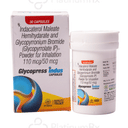
₹412.5
MRP ₹750
Glycopyrrolate 0.05mg + Indacaterol 110mcg
₹935.9
₹412.5
MRP ₹750
Glycopyrrolate 0.05mg + Indacaterol 110mcg

₹358.7
₹412.5
MRP ₹750
Glycopyrrolate 0.05mg + Indacaterol 110mcg
₹412.5
MRP ₹750
Glycopyrrolate 0.05mg + Indacaterol 110mcg
₹900
₹412.5
MRP ₹750
Glycopyrrolate 0.05mg + Indacaterol 110mcg

₹2,342.8

Glycopyrrolate 0.05mg + Indacaterol 110mcg

₹1,239.2
Glycopyrrolate 0.05mg + Indacaterol 110mcg
₹889.6