


More About Glycolic Acid
Quick Summary
Glycolic Acid is a prescription cream that contains glycolic acid, an alpha‑hydroxy acid (AHA) used to treat certain skin problems such as dark patches (hyperpigmentation), rough or uneven texture, and dryness. It works by gently removing the outer layer of dead skin cells, which can help the skin look smoother and brighter. Because glycolic acid can sometimes cause irritation or make the skin more sensitive to sunlight, Glycolic Acid should only be used exactly as directed by your doctor, for the length of time they recommend, and with regular use of sunscreen or protective clothing when outdoors.
Detailed Description
Glycolic Acid (Glycolic Acid) is a prescription topical medicine used to help manage acne, post-acne marks, and rough or uneven skin texture. It is intended for external use only and is applied directly to affected areas of the skin.
It belongs to a group of medicines called alpha hydroxy acids (AHAs). These are commonly used to improve skin conditions where dead skin cells build up or are not shed properly.
Glycolic acid works by loosening the bonds between dead cells on the outer layer of the skin. This helps the skin shed them more easily and supports a more regular skin renewal process. Over time, this can help improve skin smoothness and reduce the appearance of dark marks and uneven texture.
The response to Glycolic Acid usually takes time to appear and can differ from person to person. In the early days of use, the skin may develop mild stinging, dryness, redness, or light peeling as it adjusts to the medicine. These effects are usually mild and temporary, but keep monitoring them. If irritation becomes severe or does not improve, consult your doctor.
Because glycolic acid increases skin sensitivity to sunlight, use sunscreen and take proper sun protection during treatment. Apply the cream exactly as prescribed by your doctor, and avoid using it on broken or irritated skin.
Uses of Glycolic Acid
Glycolic Acid may be indicated by your doctor for:
Acne (pimples and blackheads)
May help unclog pores and reduce the formation of whiteheads and blackheads in mild-to-moderate acne.
Rough or thickened skin
Helps reduce the buildup of dead skin cells, making the skin feel smoother over time.
Keratosis pilaris (small rough bumps on skin)
May improve the appearance of tiny, rough bumps caused by blocked hair follicles, often on the arms or thighs.
Post-inflammatory hyperpigmentation (dark marks after skin inflammation)
May help gradually fade dark spots left behind after acne or minor skin irritation.
Benefits of Glycolic Acid
Glycolic Acid may provide benefits such as:
- Exfoliation of dead skin cells: Glycolic acid provides a localized peeling effect that helps remove accumulated dead surface cells.
- Improvement in skin tone: May help gradually reduce mild dark spots and uneven pigmentation, leading to a more even-looking skin tone over time.
- Smoother skin texture: May help smooth out rough patches and fine surface lines by supporting natural cell turnover.
- Improved skin radiance: By helping control surface dullness, it supports a brighter and more rejuvenated skin appearance.
Side Effects of Glycolic Acid
Common side effects of Glycolic Acid may include:
- Burning or stinging at the application site: Mild discomfort or a tingling sensation may occur shortly after applying the cream.
- Skin irritation or redness: The treated area may become slightly irritated, dry, or appear red.
Peeling or flaking: Some people may notice temporary flaking of the skin as exfoliation takes place.
Uncommon side effects of Glycolic Acid may include:
- Increased sun sensitivity: The removal of the outer skin layer makes the treated skin more vulnerable to sunburn.
- Allergic skin reaction: Rarely, a significant rash, severe swelling, or intense burning may occur due to sensitivity to the formulation.
Serious side effects that require medical attention may include:
- Severe skin peeling or blistering: Signs may include significant raw skin, oozing, or worsening pain after application. Stop using the medicine and seek medical help immediately.
Consult your doctor if you experience any unusual, severe, or persistent symptoms while using Glycolic Acid.
Directions for Use
- Use Glycolic Acid exactly as directed by your doctor.
- Wash your hands before and after applying Glycolic Acid.
- Clean the affected area gently with water and a mild cleanser, then pat dry.
- Apply a thin layer of Glycolic Acid to the external skin area as directed by your doctor.
- Use it usually once a day, preferably in the evening, or as advised by your healthcare provider.
- Do not apply inside the eyes, mouth, or onto open wounds.
- Avoid using more than the recommended amount, as it will not improve results and may increase the risk of skin irritation.
- Continue use only for the duration prescribed by your doctor, as it is generally intended for managed skin conditioning.
How it works
Glycolic Acid is an alpha-hydroxy acid cream that works locally on the affected area to help improve the appearance of the skin.
Glycolic acid reduces the cohesion of cells in the stratum corneum (the outermost layer of the skin) by lowering the activity of certain enzymes that hold skin cells together. This helps ease the removal of dead, dull skin cells and promotes the renewal of the tissue underneath. This action helps smooth out rough textures and encourages a more uniform distribution of skin pigment.
Safety Advice for Glycolic Acid

Allergy
Caution
Do not use Glycolic Acid if you have previously had an allergic reaction or severe skin sensitivity to glycolic acid or any ingredient in the cream. Stop use if significant redness, swelling, blistering, or severe irritation develops.

Breastfeeding
Safe
Systemic absorption from topical glycolic acid is expected to be low. Glycolic Acid is generally considered safe when used as directed. Avoid applying the cream on or near the breast area before feeding.

Pregnancy
Caution
Available evidence suggests that topical glycolic acid has minimal absorption, but stronger preparations should be used cautiously during pregnancy. Consult your doctor before prolonged use or application over large skin areas.

Driving
Safe
Glycolic Acid is not expected to affect alertness, concentration, or driving ability.

Alcohol
Limited information
No clinically significant interaction between alcohol and topical Glycolic Acid is known.

Liver
Safe
Significant liver-related effects are not generally expected with topical use because absorption into the bloodstream is minimal.

Kidney
Safe
Significant kidney-related effects are not generally expected with recommended topical use of Glycolic Acid.

Children
Caution
Glycolic Acid should be used in children only if recommended by a healthcare professional, as younger skin may be more sensitive to irritation.

Elderly patients
Caution
Older adults with dry or delicate skin may be more likely to develop peeling, redness, or local irritation during treatment.
Quick Tips for Glycolic Acid
- Apply a thin layer only on the affected area. Using more cream does not improve results and may increase irritation or peeling.
- Start slowly if your skin is sensitive. Some people tolerate it better when used less frequently at the beginning.
- Use sunscreen during the day. Glycolic acid can increase skin sensitivity to sunlight, making sunburn more likely.
- Avoid harsh skincare products, such as scrubs, alcohol-based toners, or other strong exfoliating agents, in the same area.
- Do not apply to broken, irritated, or freshly shaved skin, as this can increase burning or discomfort.
- Keep the product away from the eyes, lips, and inside the nose.
- If you develop persistent irritation, burning, or worsening redness, stop use and consult your doctor.
Storage Advice
- Store Glycolic Acid at room temperature, protected from excessive heat, moisture, and direct sunlight.
- Keep the tube tightly closed after each use to prevent contamination or drying out.
- Do not freeze the medication.
- Keep out of the reach of children and pets.
- Do not use the cream after the expiry date mentioned on the packaging.
Drug-Food Interaction
- Alcohol (Caution): Alcohol does not directly interact with topical glycolic acid, but excessive intake may dehydrate the skin and make irritation, dryness, or stinging more noticeable during treatment with Glycolic Acid. People with already sensitive or compromised skin may experience more discomfort.
- Spicy Foods (Limited information): There is no direct pharmacological interaction, but spicy foods can trigger facial flushing in some individuals. If you already have redness or sensitive skin, this may feel more pronounced while using Glycolic Acid.
Interactions with Other Drugs
- Topical Retinoids such as Tretinoin/Adapalene (Caution): Using Glycolic Acid together with topical retinoids may increase irritation, dryness, and peeling. They are often used on alternate days or with adjusted frequency if prescribed together.
- Benzoyl Peroxide (Caution): Concurrent use may increase skin dryness, redness, and irritation. Dermatologists may recommend separating application times to improve tolerance.
- Other Alpha Hydroxy Acids (Caution): Using additional AHAs along with Glycolic Acid can lead to excessive exfoliation, increasing the risk of burning, sensitivity, and barrier disruption.
- Salicylic Acid Topical Products (Caution): Combined use may increase irritation and dryness, particularly in acne-prone or sensitive skin. Careful use under guidance is recommended.
Drug-Disease Interactions
- Active Eczema or Rosacea (Caution): Glycolic acid creams may worsen untreated, inflamed, or sensitive skin conditions characterized by an impaired skin barrier.
- Sunburn (Unsafe): Should not be applied to skin that is already sunburnt, raw, or actively peeling from sun exposure.
- Damaged or Broken Skin (Caution): Increased absorption through broken skin may raise the risk of severe burning and local adverse effects.
What If You Forget to take Glycolic Acid?
If you forget to apply Glycolic Acid, apply it as soon as you remember. If it is close to the time for your next application, skip the missed dose and continue with your usual schedule. Do not apply extra cream to make up for the missed dose.
Fact Box
Therapeutic Class
Dermatological agent
Action Class
Keratolytic / Exfoliating agent
Chemical Class
Alpha Hydroxy Acid (AHA)
Habit Forming
No
Checkout Editorial Policy
Glycolic Acid in other salts
Top Selling Medicines
Top Health Products
Top Selling Devices
Related Medications

Glycolic Acid 6% w/w
₹440
₹109
MRP ₹218
Glycolic Acid 6% w/w
₹182.8
₹109
MRP ₹218
Glycolic Acid 12% w/w
₹515.6
₹145
MRP ₹290
Glycolic Acid 12% w/w
₹333
₹507.6
MRP ₹619
Glycolic Acid 6% w/w
₹225.9
₹109
MRP ₹218
Glycolic Acid 6% w/w
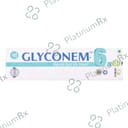
₹325
₹109
MRP ₹218
Glycolic Acid 6% w/w
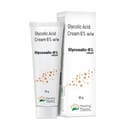
₹198
₹109
MRP ₹218
Glycolic Acid 12% w/w
₹145
MRP ₹290
Glycolic Acid 12% w/w
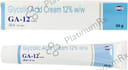
₹206.3
₹145
MRP ₹290
Glycolic Acid 20% w/v
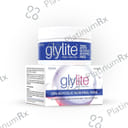
₹811.8
MRP ₹990
Glycolic acid + Niacinamide + Salicylic acid
₹573.2
MRP ₹699
Glycolic Acid 12% w/w
₹300
₹145
MRP ₹290
Glycolic Acid 12% w/w
₹299
₹145
MRP ₹290
Glycolic Acid 6% w/w
₹189
₹109
MRP ₹218
Glycolic Acid 12% w/w
₹507.6
MRP ₹619
Glycolic Acid 6% w/w
₹343.6
MRP ₹419
Glycolic Acid 6% w/w
₹90
₹109
MRP ₹218
Glycolic Acid 6% w/w
₹185.5
₹109
MRP ₹218
Glycolic Acid 6% w/w
₹225
₹109
MRP ₹218
Glycolic Acid 20% w/v
₹590
₹811.8
MRP ₹990
Glycolic Acid + Urea
₹130

Glycolic acid + Salicyclic acid
₹125
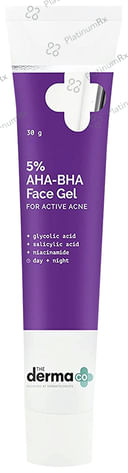
Glycolic acid + Niacinamide + Salicylic acid
₹439
Glycolic acid + Salicylic acid + Vitamin E
₹160
Glycolic Acid 6% w/w
₹167