


More About Glutathione + Kojic acid + Vitamin C + Vitamin E
Quick Summary
Glutathione + Kojic acid + Vitamin C + Vitamin E contains glutathione, kojic acid, vitamin C, and vitamin E, a combination used primarily for skin brightening, hyperpigmentation management, and antioxidant protection. Glutathione is the principal active component and works by inhibiting melanin synthesis and neutralising oxidative stress at the cellular level. Kojic acid supports depigmentation by directly inhibiting the enzyme responsible for melanin production. Vitamin C and vitamin E complement the formulation through potent antioxidant activity, collagen synthesis support, and enhanced skin protection against oxidative damage. This combination is commonly used in individuals with uneven skin tone, melasma, post-inflammatory hyperpigmentation, and related pigmentary disorders. Always use Glutathione + Kojic acid + Vitamin C + Vitamin E exactly as directed by your doctor.
Detailed Description
Glutathione + Kojic acid + Vitamin C + Vitamin E is a multi-component formulation combining glutathione, kojic acid, vitamin C, and vitamin E, each contributing distinct and complementary mechanisms for pigmentation control, antioxidant defence, and skin health.
Glutathione is the body's primary intracellular antioxidant. It reduces melanin production by inhibiting tyrosinase and shifting melanogenesis from the darker eumelanin pathway towards the lighter phaeomelanin pathway, contributing to progressive skin brightening.
Kojic acid inhibits tyrosinase by chelating the copper ions essential for its activity, directly reducing melanin biosynthesis. It is particularly effective for localised hyperpigmentation such as melasma, age spots, and post-inflammatory marks.
Vitamin C further inhibits tyrosinase, reduces already-formed melanin back to its lighter form, and supports collagen synthesis. Vitamin E stabilises cell membranes, protects against lipid peroxidation, and works synergistically with vitamin C by regenerating it back to its active antioxidant form.
Together, these components provide a comprehensive approach to pigmentation management through tyrosinase inhibition, melanin pathway modulation, oxidative stress reduction, and structural skin support.
Uses of Glutathione + Kojic acid + Vitamin C + Vitamin E
The uses of Glutathione + Kojic acid + Vitamin C + Vitamin E are as follows:
Melasma
Glutathione + Kojic acid + Vitamin C + Vitamin E is used to reduce brown or grey-brown facial patches characteristic of melasma.
Post-Inflammatory Hyperpigmentation
It helps fade skin darkening following acne, injury, or inflammatory skin conditions.
Age Spots and Sun-Induced Pigmentation
It is used to lighten localised dark spots caused by sun exposure and ageing.
Uneven Skin Tone
It is recommended for individuals seeking to improve overall skin tone uniformity and radiance.
Oxidative Skin Damage
The antioxidant components help protect and repair skin affected by ultraviolet radiation and environmental stress.
General Skin Brightening
It is used as part of a supervised skin care regimen to achieve progressive brightening of dull or pigmented skin.
Benefits of Glutathione + Kojic acid + Vitamin C + Vitamin E
Here are the benefits of Glutathione + Kojic acid + Vitamin C + Vitamin E:
- Inhibits Melanin Production: Glutathione and kojic acid work through complementary pathways to reduce melanin synthesis at its source.
- Shifts Melanin Towards Lighter Pigment: Glutathione redirects melanin production from darker eumelanin towards lighter phaeomelanin.
- Dual Tyrosinase Inhibition: Both kojic acid and vitamin C inhibit tyrosinase activity, providing stronger pigmentation control.
- Potent Antioxidant Protection: Vitamin C and vitamin E neutralise free radicals and protect skin cells from oxidative and ultraviolet-induced damage.
- Supports Collagen Synthesis: Vitamin C promotes collagen production, improving skin firmness and texture.
- Protects Skin Barrier Integrity: Vitamin E stabilises cell membranes and supports the skin's natural protective barrier.
- Comprehensive Skin Health Approach: The combination addresses pigmentation, oxidative damage, and structural skin support simultaneously.
Side Effects of Glutathione + Kojic acid + Vitamin C + Vitamin E
Like all medicines, Glutathione + Kojic acid + Vitamin C + Vitamin E may cause side effects in some individuals, particularly during early use.
Common Side Effects
- Mild Gastrointestinal Discomfort: Nausea or stomach upset may occur, especially when taken on an empty stomach.
- Headache: Temporary mild headache may develop during early use.
- Loose Stools: Some individuals may experience mild changes in bowel habits.
Uncommon Side Effects
- Skin Sensitivity: Increased sensitivity to sunlight may occur, particularly with kojic acid.
- Mild Skin Irritation: Redness or mild irritation may be noted with topical formulations.
- Altered Taste: Some patients report a slight change in taste.
Serious Side Effects (Require Immediate Medical Attention)
- Severe Allergic Reaction: Swelling of the face, lips, or throat along with difficulty breathing requires urgent medical care.
- Kidney Stone: High-dose vitamin C has rarely been associated with oxalate kidney stone formation in susceptible individuals.
- Significant Skin Reaction: Persistent or worsening rash, blistering, or discomfort should be evaluated promptly.
Always consult your doctor if side effects persist or worsen.
Directions for Use
To ensure safe use:
- Use exactly as prescribed or recommended by your doctor.
- Usually taken orally with food to reduce gastrointestinal discomfort.
- Swallow tablets or capsules whole unless otherwise instructed.
- Take at a consistent time each day for best results.
- Use alongside appropriate sun protection measures as advised by your doctor.
- Do not exceed the prescribed dose.
How it works
Glutathione + Kojic acid + Vitamin C + Vitamin E works through four complementary mechanisms that collectively reduce pigmentation, protect against oxidative damage, and support skin health.
Glutathione reduces melanin production by inhibiting tyrosinase and shifting melanogenesis from eumelanin towards phaeomelanin. Its antioxidant activity also reduces oxidative triggers that stimulate excess melanin synthesis.
Kojic acid directly inhibits tyrosinase by chelating the copper ions essential for enzyme activity, reducing melanin biosynthesis at the enzymatic level.
Vitamin C inhibits tyrosinase independently and reduces already-formed oxidised melanin back to its colourless reduced form. It further supports collagen synthesis through hydroxylation of proline and lysine residues.
Vitamin E protects skin cell membranes from lipid peroxidation and regenerates oxidised vitamin C back to its active form, enhancing the overall antioxidant capacity of the formulation.
Together, these four components provide pigmentation control through tyrosinase inhibition, melanin pathway redirection, oxidative stress neutralisation, and structural skin support.
Safety Advice for Glutathione + Kojic acid + Vitamin C + Vitamin E

Alcohol
Caution
Alcohol may deplete glutathione levels and reduce treatment effectiveness.

Pregnancy
Unsafe
Safety during pregnancy has not been fully established. Use only if specifically advised.

Breastfeeding
Unsafe
Medical advice is necessary before use during breastfeeding.

Driving
Safe
No significant impairment expected under normal use.

Kidney
Unsafe
High-dose vitamin C may increase oxalate load. Use carefully in renal impairment.

Liver
Unsafe
High-dose vitamin C may increase oxalate load. Use carefully in renal impairment.
Quick Tips for Glutathione + Kojic acid + Vitamin C + Vitamin E
A few practical measures can help improve treatment outcomes and ensure safe use of Glutathione + Kojic acid + Vitamin C + Vitamin E:
- Use sun protection consistently: Daily broad-spectrum sunscreen is essential, as ultraviolet exposure can reverse treatment progress.
- Take with food: This reduces the likelihood of gastrointestinal discomfort, particularly with higher-dose formulations.
- Allow adequate time for results: Consistent use over several weeks is necessary before visible improvement is seen.
- Avoid excessive vitamin C from multiple sources: Inform your doctor if other supplements are being taken concurrently.
- Store correctly: Vitamin C and glutathione are sensitive to heat and light; follow storage instructions carefully to preserve potency.
Storage Advice
Proper storage is important to maintain the stability and effectiveness of Glutathione + Kojic acid + Vitamin C + Vitamin E:
- Store at room temperature: Keep away from heat, moisture, and direct sunlight.
- Keep in original packaging: The container protects light-sensitive components such as vitamin C and glutathione from degradation.
- Do not refrigerate unless instructed: Unless specifically directed, refrigeration is not required.
- Keep out of reach of children: Store safely to prevent accidental ingestion.
- Check expiry before use: Do not use if the product has passed its expiry date.
Drug-Food Interaction
Glutathione + Kojic acid + Vitamin C + Vitamin E may generally be taken without strict dietary restrictions. However:
- Avoid excessive alcohol: Alcohol depletes glutathione stores and may reduce overall treatment effectiveness.
- Maintain adequate dietary antioxidants: A diet rich in fruits and vegetables supports the antioxidant action of this formulation.
- Avoid excessive supplemental vitamin C: Combined intake from diet and supplements should remain within medically advised limits.
- Adequate hydration: Sufficient water intake is important with higher-dose vitamin C to reduce the risk of oxalate accumulation.
Interactions with Other Drugs
Glutathione + Kojic acid + Vitamin C + Vitamin E may interact with the following medicines:
- Anticoagulants (Warfarin): High-dose vitamin E may enhance anticoagulant effects and increase bleeding risk.
- Statins and Niacin: Vitamins C and E may potentially reduce the beneficial effects of certain lipid-lowering regimens.
- Chemotherapy Agents: Antioxidants including glutathione and vitamins C and E may interact with oxidative-mechanism-based chemotherapy; specialist guidance is required.
- Iron Supplements: Vitamin C significantly enhances iron absorption; concurrent use should be reviewed in relevant conditions.
- Aluminium-Containing Antacids: Vitamin C may increase aluminium absorption; avoid taking simultaneously.
Drug-Disease Interactions
Glutathione + Kojic acid + Vitamin C + Vitamin E should be used carefully in the following conditions:
- Kidney Stones (Nephrolithiasis): High-dose vitamin C increases urinary oxalate, raising stone formation risk in susceptible individuals.
- G6PD Deficiency: High-dose vitamin C may cause haemolysis in patients with glucose-6-phosphate dehydrogenase deficiency.
- Haemochromatosis: Vitamin C enhances iron absorption; caution is required in patients with iron overload conditions.
- Diabetes Mellitus: High-dose vitamin C may interfere with certain blood glucose monitoring methods.
- Renal Impairment: Reduced kidney function may impair clearance of high-dose vitamin C metabolites.
What If You Forget to take Glutathione + Kojic acid + Vitamin C + Vitamin E?
If a dose is missed, take it as soon as remembered. If it is almost time for the next dose, skip the missed dose and continue the regular schedule. Do not take two doses at the same time to make up for a missed one.
Fact Box
Therapeutic Class
Dermatology / Pigmentation Management
Action Class
Melanin Synthesis Inhibitor + Antioxidant + Collagen Synthesis Supporter
Chemical Class
Tripeptide + Fungal Acid + Ascorbic Acid + Tocopherol
Habit Forming
No
Checkout Editorial Policy
Top Selling Medicines
Top Health Products
Top Selling Devices
Related Medications

L Glutathione 1% w/w + Kojic Acid 2% w/w + Vitamin C (Ascorbic Acid) 3% w/w + Vitamin E (Tocopheryl) 0.5% w/w

₹264.3
MRP ₹413
Glutathione + Kojic acid + Vitamin A + Vitamin C + Vitamin E

₹799

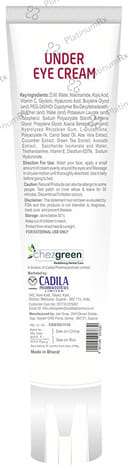
Aloe Vera and Carrot Seed Oil. + Cucumber + Green Tea + Hyaluronic Acid + Kojic Acid + L- Glutathione + Vitamin C + Vitamin E and many Natural Extracts like Avocado
₹404
Arbutin + Caprylyl/capryl glucoside + Cocamidopropyl Betaine + DL Panthenol + Glycerol (Glycerine) + Glycolic acid + Grapeseed essential oil + Kojic acid + L-glutathione + PEG-7 Glyceryl Cocoate + Phenoxyethanol + Sodium cocoamphoacetate + Sodium Methyl Cocoyl Taurate + Vitamin C + Vitamin E

₹80