


More About Gliclazide + Metformin + Voglibose
Quick Summary
Gliclazide + Metformin + Voglibose is a prescription tablet for adults with type 2 diabetes. It contains three medicines. Gliclazide is a sulfonylurea. Metformin, also called metformin hydrochloride, is a biguanide. Voglibose is an alpha-glucosidase inhibitor. Each one lowers blood sugar in a different way. Gliclazide helps the pancreas release more insulin. Metformin cuts down the sugar your liver makes. Voglibose slows how fast carbohydrates from food are turned into sugar in the gut. Doctors usually prescribe Gliclazide + Metformin + Voglibose when diet, exercise and one or two diabetes medicines no longer keep blood sugar in the target range.
Detailed Description
Type 2 diabetes usually involves two problems. The body does not make enough insulin, and the insulin it does make does not work well. Gliclazide + Metformin + Voglibose acts on several parts of this problem at the same time.
Gliclazide works on the beta cells of the pancreas, which are the cells that make insulin. It prompts them to release more insulin. Gliclazide does this even when your blood sugar is already normal or low, which is why it can cause low blood sugar if you skip meals. Metformin works mostly in the liver. It reduces the amount of glucose (sugar) the liver releases into the blood, and it helps muscles respond better to insulin. Metformin does not raise insulin levels by itself. Voglibose works inside the small intestine. It slows the enzymes that break starch and table sugar down into glucose. This means sugar enters the blood more slowly after a meal, so the sharp rise in blood sugar after eating (called postprandial sugar) is smaller.
Gliclazide + Metformin + Voglibose is used in adults with type 2 diabetes whose blood sugar is not well controlled by diet, exercise and one or two diabetes medicines. It may also be used for people who are already stable on gliclazide, metformin and voglibose taken as separate tablets at the same strengths, so they have fewer pills to take. It is not used for type 1 diabetes or diabetic ketoacidosis (a dangerous build-up of acids in the blood caused by a severe lack of insulin).
This combination needs regular medical supervision. Gliclazide can cause low blood sugar (hypoglycaemia), especially if you skip meals, exercise more than usual or drink alcohol. Metformin carries a boxed warning for lactic acidosis. This is a rare but serious build-up of acid in the blood. It is more likely with kidney problems, liver disease, heavy drinking, dehydration or some X-ray dyes. Voglibose often causes gas and bloating, especially in the first few weeks.
Your doctor will check your blood sugar and HbA1c (your average sugar over about three months). Your kidney function will be tested before and during treatment. Vitamin B12 levels may also be checked during long-term use. Gliclazide + Metformin + Voglibose works best alongside a healthy diet, regular activity and weight control.
Benefits of Gliclazide + Metformin + Voglibose
- Three ways of lowering blood sugar in one tablet - Gliclazide raises insulin release, metformin cuts sugar output from the liver, and voglibose slows sugar absorption from food.
- Controls both fasting and after-meal sugar - Metformin mainly lowers fasting sugar, while voglibose targets the rise in sugar that comes after eating.
- Better use of the body's own insulin - Metformin makes muscle and fat cells more responsive to insulin.
- Helps reduce the risk of long-term diabetes complications - Keeping blood sugar under control lowers the chance of damage to the eyes, kidneys, nerves and heart over time.
- Fewer tablets to remember - Combining three medicines in one tablet makes the daily routine simpler and can help with taking it regularly.
Side Effects of Gliclazide + Metformin + Voglibose
Common Side Effects (Usually Mild)
These often lessen as your body gets used to the medicine.
- Gas, bloating and rumbling in the stomach (mainly from voglibose)
- Loose stools or diarrhoea
- Feeling sick (nausea), vomiting or stomach pain
- Loss of appetite
- A metallic taste in the mouth
- Mild low blood sugar, with shakiness, sweating, hunger, a fast heartbeat or feeling dizzy
- Slight weight gain (mainly from gliclazide)
Serious Side Effects (Seek Urgent Medical Attention)
- Lactic acidosis: a rare but dangerous build-up of lactic acid in the blood, linked to metformin. Signs include unusual tiredness, muscle pain, trouble breathing, stomach pain, feeling cold, dizziness and a slow or uneven heartbeat. It needs emergency care.
- Severe hypoglycaemia (very low blood sugar): confusion, odd behaviour, blurred vision, fits (seizures) or passing out. This is mainly linked to gliclazide.
- Vitamin B12 deficiency with long-term metformin use, which can cause tiredness, pale skin, or tingling and numbness in the hands and feet.
- Haemolytic anaemia (red blood cells breaking down) in people with G6PD deficiency (an inherited condition in which red blood cells break down more easily). This is a known risk with sulfonylureas such as gliclazide. Signs include pale or yellow skin and dark urine.
- Yellowing of the skin or eyes, or dark urine, which may point to a liver problem.
- Serious allergic reactions: rash, itching, blistering or peeling skin, or swelling of the face, lips or throat.
- Severe or ongoing stomach pain, a swollen belly or constipation that does not ease, which can be a sign of a bowel blockage.
Directions for Use
- Take Gliclazide + Metformin + Voglibose exactly as your doctor has prescribed. It is usually taken just before or with a main meal, often with the first bites of food, so the voglibose part can act on that meal.
- Swallow the tablet whole with a glass of plain water. Never split, crush or chew modified-release or sustained-release tablets. If you have a regular tablet, only split it if your doctor or pharmacist says it is scored and can be split.
- Take it at the same times each day to keep your blood sugar steady.
- Never take Gliclazide + Metformin + Voglibose and then skip the meal. Gliclazide can drop your sugar too low if no food follows.
- Keep your meals regular in timing and size. Taking the tablet with food also reduces metformin-related stomach upset.
- Keep taking it even when you feel well. Diabetes often has no symptoms, and stopping the medicine can let your sugar rise without you noticing.
- Do not change the dose or stop the medicine without speaking to your doctor.
How it works
Gliclazide (sulfonylurea): Insulin-making beta cells in the pancreas have small "gates" on their surface called ATP-sensitive potassium channels. Gliclazide attaches to a part of these gates called the sulfonylurea receptor and closes them. When the gates close, the cell's electrical charge changes, calcium flows in, and the cell releases its stored insulin. This happens whatever your blood sugar level is, which is why gliclazide can cause low sugar. More insulin helps move sugar out of the blood and into body cells. Because gliclazide depends on working beta cells, it helps people whose pancreas still makes some insulin.
Metformin (biguanide): Metformin's main action is to slow down gluconeogenesis, which is the liver's process of making new glucose. This lowers the amount of sugar the liver releases, especially overnight and between meals. Metformin also helps muscle cells take in and use glucose and may slightly reduce sugar absorption from the gut. Part of this effect is thought to come through AMPK, an enzyme that senses energy levels inside cells. Metformin does not push the pancreas to release insulin, so on its own it rarely causes low sugar.
Voglibose (alpha-glucosidase inhibitor): The lining of the small intestine has enzymes called alpha-glucosidases. They break starch and sugars such as sucrose (table sugar) into glucose so it can be absorbed. Voglibose blocks these enzymes for a while. Carbohydrates are then broken down more slowly, and glucose enters the blood gradually instead of all at once. Some of the undigested carbohydrate reaches the large intestine, where gut bacteria ferment it. This explains the gas and bloating.
Working together: Gliclazide adds insulin, metformin lowers the sugar the liver releases and helps insulin work better, and voglibose evens out the after-meal sugar rise. Because they act at different sites, together they can lower blood sugar more than any one of them alone. Most of the low blood sugar risk comes from gliclazide. Metformin and voglibose rarely cause low sugar when used alone.
Safety Advice for Gliclazide + Metformin + Voglibose

Pregnancy
Limited information
Gliclazide + Metformin + Voglibose is usually not recommended during pregnancy. Doctors generally switch to insulin to control blood sugar while pregnant. Sulfonylureas such as gliclazide can cause low blood sugar in the newborn if taken close to delivery. If you are planning a pregnancy, speak to your doctor early, as your treatment will usually be changed to insulin before you conceive.

Breastfeeding
Limited information
Gliclazide + Metformin + Voglibose is not recommended while breastfeeding. Gliclazide may pass into breast milk and can cause low blood sugar in the baby, and there is not enough safety information for voglibose. Your doctor will usually switch you to a treatment that is safer while breastfeeding, such as insulin.

Alcohol
Limited information
Avoid alcohol or keep it very limited. Alcohol raises the risk of lactic acidosis with metformin and can cause sudden or delayed low blood sugar with gliclazide.

Driving
Limited information
Low blood sugar can cause dizziness, blurred vision or poor concentration. Check your sugar before driving if advised, keep a fast-acting glucose source in the vehicle, and do not drive if you feel any warning signs.

Kidney
Limited information
Metformin is removed from the body by the kidneys. Your doctor will check your kidney function with a blood test called eGFR (an estimate of how well your kidneys filter blood) before and during treatment. Gliclazide + Metformin + Voglibose must not be used if eGFR is below 30. It is usually not started if eGFR is between 30 and 45, and your doctor will review treatment if your eGFR falls below 45. Gliclazide is also avoided in severe kidney disease because it can cause long-lasting low blood sugar.

Liver
Limited information
Liver disease raises the risk of both lactic acidosis and low blood sugar. Gliclazide + Metformin + Voglibose is generally avoided in significant liver disease.

Children
Limited information
Gliclazide + Metformin + Voglibose is not meant for children and teenagers under 18.

Elderly patients
Limited information
Older adults are more likely to get low blood sugar and to have reduced kidney function. Doctors often start with a lower strength and check kidney function more often.
Quick Tips for Gliclazide + Metformin + Voglibose
- Take Gliclazide + Metformin + Voglibose just before or with your main meal, and never skip the meal afterwards.
- If you get low blood sugar, treat it with glucose tablets or glucose powder (dextrose). Voglibose slows the breakdown of table sugar, so ordinary sugar or sweets may not raise your sugar fast enough.
- Carry glucose tablets with you at all times, and tell family members how to spot and treat a low.
- Check your blood sugar at home as your doctor advises, and keep a record to show at visits.
- Gas and bloating often ease after the first few weeks. Eating smaller amounts of starchy and sugary food can help.
- Tell your doctor before any scan or X-ray that uses contrast dye, and before surgery, because metformin may need to be paused.
- If you take blood thinners such as warfarin, make sure your doctor knows, as your clotting tests may need checking more often.
- Drink enough fluids, especially if you have vomiting, diarrhoea or a fever, and contact your doctor if you cannot eat or drink.
- Ask your doctor whether you need your vitamin B12 level checked during long-term treatment.
Storage Advice
- Store below 30°C (86°F) in a cool, dry place.
- Keep the tablets in their original strip or pack to protect them from light and moisture. Do not keep them in a bathroom.
- Keep them out of reach and sight of children and pets. Even one tablet can cause dangerously low blood sugar in a child.
- Do not use tablets after the expiry date or if they look discoloured or damaged.
Drug-Food Interaction
- Alcohol: Raises the risk of lactic acidosis with metformin. With gliclazide it can cause low blood sugar, which may come on hours after drinking.
- Skipping or delaying meals: Fasting or eating much less than usual can lead to low blood sugar because of gliclazide.
- Table sugar and sweets for treating a low: Voglibose slows how quickly sucrose is broken down, so glucose (dextrose) is the better choice to correct low blood sugar.
- High-starch or high-sugar meals: Large amounts of these foods can make voglibose-related gas, bloating and diarrhoea worse.
- Digestive enzyme supplements (amylase-containing products): These may reduce how well voglibose works.
Interactions with Other Drugs
- Other diabetes medicines and insulin: Taking them together increases the risk of low blood sugar. Your doctor may need to adjust the doses.
- Miconazole and fluconazole (antifungals): These can strongly raise the effect of gliclazide and cause severe low blood sugar. Miconazole taken by mouth or as an oral gel should not be combined with gliclazide.
- Blood thinners such as warfarin: Gliclazide may increase their effect. Your doctor may check your INR (a blood clotting test) more often.
- ACE inhibitors (such as enalapril, captopril): These blood pressure medicines may increase the risk of low blood sugar.
- Fluoroquinolone antibiotics (such as ciprofloxacin, levofloxacin): These can cause blood sugar to go too low or too high. Check your sugar more often.
- Danazol: This can raise blood sugar and reduce the effect of Gliclazide + Metformin + Voglibose.
- Beta-blockers (such as propranolol, atenolol): These can hide warning signs of low sugar, such as a fast heartbeat and shakiness.
- Corticosteroids (such as prednisolone), thiazide diuretics and some antipsychotics: These can raise blood sugar and make Gliclazide + Metformin + Voglibose work less well.
- Painkillers like NSAIDs and some antibiotics (such as clarithromycin and sulfonamides): These may raise the sugar-lowering effect of gliclazide.
- Iodinated contrast dye used in X-rays and CT scans: This can affect the kidneys and raise the risk of lactic acidosis with metformin. Metformin is usually paused around the procedure.
- Topiramate and acetazolamide (carbonic anhydrase inhibitors): These can raise the risk of lactic acidosis with metformin.
- Cimetidine and some other drugs removed by the kidneys: These can raise metformin levels in the blood.
- Charcoal (intestinal adsorbents) and digestive enzyme supplements containing amylase or pancreatin: These may reduce the effect of voglibose and should not be taken at the same time.
Always tell your doctor and pharmacist about every medicine, supplement and herbal product you take.
Drug-Disease Interactions
- Kidney disease: Metformin is removed by the kidneys and builds up when they do not work well, which raises the risk of lactic acidosis. Your doctor will check your eGFR (an estimate of how well your kidneys filter blood). Gliclazide + Metformin + Voglibose must not be used if eGFR is below 30. It is usually not started if eGFR is between 30 and 45, and treatment is reviewed if eGFR falls below 45. Gliclazide is also avoided in severe kidney disease because of the risk of long-lasting low blood sugar.
- Liver disease: This raises the risk of lactic acidosis and low blood sugar. The combination is generally avoided in significant liver disease.
- Type 1 diabetes and diabetic ketoacidosis (a dangerous build-up of acids in the blood caused by a severe lack of insulin): Gliclazide + Metformin + Voglibose is not suitable for these conditions. Insulin is needed.
- Heart failure, recent heart attack, severe infection, shock or anything that causes poor oxygen supply: These raise the risk of lactic acidosis with metformin.
- Dehydration or heavy alcohol use: Both raise the risk of lactic acidosis.
- G6PD deficiency: Gliclazide may cause red blood cells to break down (haemolytic anaemia).
- Allergy to sulfonylureas or sulfonamide ("sulfa") medicines: People with this allergy may also react to gliclazide.
- Bowel conditions such as inflammatory bowel disease (long-term swelling and irritation of the gut, such as ulcerative colitis or Crohn's disease), bowel blockage, hernias or long-term digestion and absorption problems: Voglibose can make these worse because of the gas it produces in the gut.
- Adrenal or pituitary gland problems, poor nutrition and older age: These raise the risk of severe low blood sugar with gliclazide.
- Surgery or serious illness: Your doctor may switch you to insulin for a while.
Daily Dose
- Gliclazide + Metformin + Voglibose comes in different strengths and tablet types. These include gliclazide 80 mg (regular tablet) or gliclazide 30 mg / 60 mg modified-release, combined with metformin 500 mg (regular or sustained-release) and voglibose 0.2 mg or 0.3 mg. Check your pack for the exact strength and whether it is a modified-release or sustained-release tablet. Never split, crush or chew modified-release or sustained-release tablets.
- The usual dose is 1 tablet once or twice a day, just before meals, as your doctor prescribes.
- Your doctor chooses the strength based on your blood sugar levels, kidney function, age and other medicines.
- Doctors often start with a lower strength and increase it slowly. This reduces stomach side effects and the risk of low blood sugar.
- Your doctor will keep your total daily dose under the limit for each medicine: gliclazide up to 320 mg a day for regular tablets or up to 120 mg a day for modified-release tablets, metformin usually up to 2,000 mg (extended-release) to 2,550 mg (regular) a day, and voglibose up to 0.9 mg a day.
- Take only the dose your doctor has prescribed. Never change it, double it or stop it on your own.
Overdose
Taking too much Gliclazide + Metformin + Voglibose can be dangerous. Possible effects include:
- Severe low blood sugar from gliclazide: heavy sweating, shaking, confusion, slurred speech, fits or loss of consciousness. Low sugar may last for a long time or come back after treatment.
- Lactic acidosis from metformin: severe weakness, muscle pain, fast or difficult breathing, stomach pain, vomiting, feeling cold and a slow heartbeat.
- Worse gas, bloating and diarrhoea from voglibose.
What to do: Get emergency medical help right away, even if the person seems well at first. If they are awake and able to swallow, give glucose tablets or glucose powder dissolved in water. Do not give food or drink to someone who is drowsy or unconscious. Take the medicine pack with you to the hospital. In hospital, glucose may be given into a vein, and the person may be watched for a long time.
What If You Forget to take Gliclazide + Metformin + Voglibose?
- If you miss a dose and you are still eating that meal, or have just finished it, take the dose with your food.
- If the meal is long over, skip the missed dose. Taking it without food can cause low blood sugar.
- Take your next dose at the usual time with your next meal.
- Never take two doses at once to make up for a missed one.
- If you often forget doses, try setting a phone reminder at mealtimes, and tell your doctor.
When to contact doctor
Get urgent medical help if you notice:
- Signs of lactic acidosis: unusual tiredness or weakness, muscle pain, trouble breathing, stomach pain with vomiting, feeling cold, or a slow or uneven heartbeat
- Low blood sugar that does not get better after taking glucose, or that causes confusion, fits or fainting
- Repeated episodes of low blood sugar, even mild ones
- Unusual bleeding or bruising, especially if you also take a blood thinner such as warfarin
- Yellow skin or eyes, dark urine or pale stools
- Pale skin, breathlessness and dark urine, especially if you have G6PD deficiency
- Skin rash, blisters, or swelling of the face, lips or throat
- Severe stomach pain, a swollen belly, or no bowel movements for a long time
- Vomiting, diarrhoea or fever that stops you eating or drinking
- Tingling or numbness in the hands or feet, or constant tiredness
- Blood sugar readings that stay high despite taking the medicine regularly
References
Fact Box
Therapeutic Class
Antidiabetic (oral blood sugar-lowering combination)
Action Class
Sulfonylurea (insulin secretagogue) + Biguanide (insulin sensitiser) + Alpha-glucosidase inhibitor
Chemical Class
Sulfonylurea + Biguanide + Valiolamine derivative
Habit Forming
No
Checkout Editorial Policy
Top Selling Medicines
Top Health Products
Top Selling Devices
Related Medications

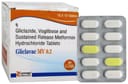
Gliclazide 80mg + Metformin 500mg + Voglibose 0.2mg
₹125
₹70.3
MRP ₹140.5
Gliclazide 80mg + Metformin 500mg + Voglibose 0.2mg
₹120
₹70.3
MRP ₹140.5
Gliclazide 80mg + Metformin 500mg + Voglibose 0.2mg
₹148.1
₹70.3
MRP ₹140.5
Gliclazide 40mg + Metformin 500mg + Voglibose 0.2mg
₹134.1

₹200.6
MRP ₹244.7
Gliclazide 80mg + Metformin 500mg + Voglibose 0.2mg
₹70.3
MRP ₹140.5
Gliclazide 80mg + Metformin 500mg + Voglibose 0.2mg
₹128
₹70.3
MRP ₹140.5
Gliclazide 80mg + Metformin 500mg + Voglibose 0.2mg

₹273.5
₹70.3
MRP ₹140.5
Gliclazide 80mg + Metformin 500mg + Voglibose 0.2mg

₹178.1
₹70.3
MRP ₹140.5
Gliclazide 40mg + Metformin 500mg + Voglibose 0.2mg
₹98.4
₹200.6
MRP ₹244.7
Gliclazide 40mg + Metformin 500mg + Voglibose 0.2mg
₹139.7
₹200.6
MRP ₹244.7
Gliclazide 80mg + Metformin 500mg + Voglibose 0.2mg
₹129.4
₹70.3
MRP ₹140.5
Gliclazide 40mg + Metformin 500mg + Voglibose 0.2mg
₹225.4
₹200.6
MRP ₹244.7
Gliclazide 80mg + Metformin 500mg + Voglibose 0.2mg
₹166.9
₹70.3
MRP ₹140.5
Gliclazide 40mg + Metformin 500mg + Voglibose 0.3mg

₹210.9

₹96.1
MRP ₹192.2
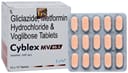
Gliclazide 80mg + Metformin 500mg + Voglibose 0.3mg
MRP ₹275.7
Gliclazide 80mg + Metformin 500mg + Voglibose 0.3mg

MRP ₹173.4
Gliclazide 80mg + Metformin 500mg + Voglibose 0.3mg
MRP ₹173.4
Gliclazide 1mg + Metformin 500mg + Voglibose 0.2mg

₹96

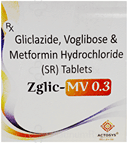
Gliclazide 80mg + Metformin 500mg + Voglibose 0.3mg
MRP ₹174.9
Gliclazide 80mg + Metformin 500mg + Voglibose 0.3mg
MRP ₹157
Gliclazide 80mg + Metformin 500mg + Voglibose 0.3mg

MRP ₹199
Gliclazide 80mg + Metformin 500mg + Voglibose 0.3mg
MRP ₹200
Gliclazide 80mg + Metformin 500mg + Voglibose 0.3mg

MRP ₹235.6
Gliclazide 60mg + Metformin 500mg + Voglibose 0.2mg
MRP ₹112.5
Gliclazide 80mg + Metformin 500mg + Voglibose 0.3mg
MRP ₹390