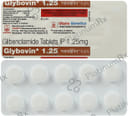
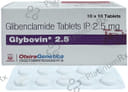
Glibenclamide

Uses

Glibenclamide is used in the treatment of type 2 diabetes mellitus. It is administered alongside diet and exercise to enhance blood sugar control in adults with this condition.

How it Works

How Glibenclamide Works: Glibenclamide is an antidiabetic medication that increases the amount of insulin released by the pancreas to lower blood glucose levels.

Side Effects

Common side effects of Glibenclamide include hypoglycemia (low blood glucose level), nausea, diarrhea, heartburn, stomach fullness, vomiting, and abdominal pain.

Expert Advice

  • Take Glibenclamide shortly before or with the first main meal of the day (usually breakfast).
  • Avoid skipping meals.
  • Be cautious while driving or operating machinery until you understand how Glibenclamide affects you.
  • It can cause hypoglycemia (low blood sugar level) when used with other antidiabetic medicines, alcohol, or if you delay or miss a meal.
  • Always carry some sugary food or fruit juice with you in case you experience hypoglycemic symptoms such as:
    • Cold sweats
    • Cool pale skin
    • Tremor
    • Anxiety
  • Your doctor may check your liver function regularly.
  • Inform your doctor if you develop symptoms such as:
    • Abdominal pain
    • Loss of appetite
    • Yellowing of the eyes or skin (jaundice)
  • Glibenclamide helps decrease high blood sugar levels and avoid long-term complications of diabetes.
  • Exercise regularly, eat a healthy diet, and take your other diabetes medicines (if prescribed) alongside.
  • Monitor your blood sugar levels regularly while taking this medicine.

Related Medications

hero_image
of
MRP

3

hero_image
of

MRP 5.8

hero_image
of
MRP

6.1

hero_image
of

MRP 5.8

22% OFF
hero_image
of
MRP

6.8

hero_image
of

MRP 5.8

30% OFF
hero_image
of
MRP

8

hero_image
of

MRP 12

25% OFF
hero_image
of
MRP

8.1

hero_image
of

MRP 12

26% OFF
hero_image
of
MRP

4.7

hero_image
of

MRP 12

hero_image
of
MRP

13.4

hero_image
of

MRP 12

55% OFF
hero_image
of
MRP

11.5

hero_image
of

MRP 12

48% OFF
hero_image
of
MRP

6.4

hero_image
of

MRP 12

6% OFF
hero_image
of
MRP

11.5

hero_image
of

MRP 12

48% OFF
hero_image
of
MRP

25

hero_image
of

MRP 12

76% OFF
hero_image
of
MRP

11

hero_image
of

MRP 12

45% OFF
hero_image
of
MRP

27

hero_image
of

MRP 12

78% OFF
hero_image
of
MRP

5.3

hero_image
of

MRP 12

hero_image
of
MRP

14

hero_image
of

MRP 12

57% OFF
hero_image
of
MRP

4.4

hero_image
of

MRP 12

hero_image
of
MRP

11

hero_image
of

MRP 12

45% OFF
hero_image
of
MRP

10.6

hero_image
of

MRP 12

43% OFF
hero_image
of
50% OFF

MRP 12

hero_image
of
MRP

9.9

hero_image
of

MRP 12

39% OFF
hero_image
of
MRP

6.2

hero_image
of

MRP 12

3% OFF
hero_image
of
MRP

7

hero_image
of

MRP 12

14% OFF
hero_image
of
MRP

27.2

hero_image
of

MRP 12

78% OFF
hero_image
of
MRP

5.1

No Substitute
Sorry, Substitute Medicine is Unavailable
hero_image
of
MRP

11.4

No Substitute
Sorry, Substitute Medicine is Unavailable

Frequently asked questions

No, Glibenclamide does not cause hair loss, but diabetes itself can lead to hair loss. Consult your doctor if you experience excessive hair loss.
Yes, Glibenclamide can cause weight gain, so it's important to monitor your diet and exercise while taking it.
No, you should not skip Glibenclamide, as it can worsen your diabetes. If you miss a dose, take it as soon as you remember.
Glibenclamide and Teneligliptin are both antidiabetic medications but work differently and have distinct side effects. Glibenclamide may cause hypoglycemia and weight gain, while Teneligliptin is associated with headaches and nasopharyngitis.
No, Glibenclamide is a sulfonylurea, not a Thiazolidinedione, although both are antidiabetic medications belonging to different classes.
Yes, Glibenclamide can be safely taken with Pioglitazone to control blood sugar levels, but the risk of hypoglycemia may increase, necessitating dose adjustments.
No, Glibenclamide and Glipizide are different medications, though both are sulfonylureas used to treat type 2 diabetes mellitus in adults.
Glibenclamide is not recommended for managing prediabetes, as evidence supporting its use in this condition is insufficient.
Yes, Glibenclamide and Liraglutide can be taken together for better blood sugar control, but the risk of hypoglycemia may increase. Dose adjustments may be necessary, so consult your doctor.
Glibenclamide should be avoided if you are allergic to sulfonylureas, sulfonamides, or any of its ingredients.
Combining Glibenclamide with insulin can help control high blood sugar levels and may reduce insulin dosage, but it increases the risk of hypoglycemia. Consult your doctor for proper dose adjustments.
Elderly patients should use Glibenclamide cautiously due to a higher risk of hypoglycemic events.
Glibenclamide is not recommended for gestational diabetes; insulin is preferred for managing blood glucose levels during pregnancy. Only take Glibenclamide if prescribed by a doctor.
No, Glibenclamide is not known to treat polycystic ovarian syndrome (PCOS), and there is no clinical evidence supporting its use for this condition.
;

Flat ₹100 off on first app order   |    Use Code:  APP100   | 

Flat ₹100 off on first app order

USE CODE: APP100

PlatinumRx

Download Now

AppleIconPlayStoreIcon