


Gemigliptin
Uses
Gemigliptin is used in the treatment of type 2 diabetes mellitus. It is administered alongside diet and exercise to improve blood sugar control in adults with this condition.
How it Works
How Gemigliptin works Gemigliptin is an antidiabetic medication. It functions by increasing the release of insulin from the pancreas and decreasing the hormones that elevate blood sugar levels. This action helps to reduce both fasting and post-meal sugar levels.
Side Effects
Common side effects of Gemigliptin include headache, nasopharyngitis (inflammation of the throat and nasal passages), and hypoglycemia (low blood sugar levels) when used in combination with insulin or sulfonylureas.
Expert Advice
- Gemigliptin should be taken at the same time every day to help you remember to take it.
- Exercise caution while driving or operating machinery until you understand how Gemigliptin affects you.
- It may cause hypoglycemia (low blood sugar) when used with other antidiabetic medications, alcohol, or if you delay or miss a meal.
- Always carry some sugary food or fruit juice in case you experience hypoglycemia symptoms, such as:
- Cold sweats
- Cool pale skin
- Tremor
- Anxiety
- Inform your doctor if you notice joint pains or develop symptoms such as:
- Stomach pain
- Nausea
- Vomiting
- You should continue to exercise regularly, eat a healthy diet, and take your other diabetes medications alongside this medicine.
- The chances of weight gain and low blood sugar are lower compared to other diabetes medications.
- Monitor your blood sugar levels regularly while taking this medicine.
Other Combinations
Gemigliptin + Metformin
Related Medications

Salt Composition
Gemigliptin 50mg
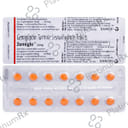
Zemiglo 50mg Tablet
Sanofi India Ltd.
Strip of 14 tablets
MRP
₹599

Sorry, Substitute Medicine is Unavailable
Salt Composition
Gemigliptin 2mg + Metformin 500mg
Glimeton M 500/2mg Tablet 10s
Oxpro Pharma Pvt. Ltd.
Strip of 10 tablets
MRP
₹48.9
Sorry, Substitute Medicine is Unavailable
Salt Composition
Gemigliptin 1mg + Metformin 500mg
Glimpra M 500mg/1mg Tablet SR
MBS Formulation
Strip of 10 tablets
MRP
₹75
Sorry, Substitute Medicine is Unavailable