


Flecainide
Uses
Flecainide is used in the treatment of arrhythmia.
How it Works
How Flecainide works Flecainide is an anti-arrhythmic medication that functions by blocking abnormal electrical signals in the heart, helping to restore an irregular heartbeat to a normal rhythm.
Side Effects
Common side effects of flecainide include heart failure and ventricular arrhythmia.
Expert Advice
- Flecainide may cause dizziness.
- Do not drive or perform activities that require mental focus until you know how it affects you.
- Do not start any medications, including prescription or over-the-counter medicines, without informing your doctor, as they may alter Flecainide levels in your body.
- Your doctor may order blood tests to check your sodium and potassium levels, kidney function, and lung function before starting treatment with this medicine.
- Your doctor may regularly monitor your blood sugar levels while you are taking this medicine.
- Inform your doctor if you experience a slow or fast heart rate, chest pain, or shortness of breath.
- Notify your doctor if you are pregnant, planning to conceive, or breastfeeding.
- Do not stop taking this medication suddenly without consulting your doctor.
Top Selling Medicines
Top Health Products
Top Selling Devices
Dr. Morepen Gluco One BG-03 Test StripsAccu-Chek Instant Test StripsAccu-Chek Active Test StripsDr. Morepen BP-14 Blood Pressure MonitorAccu-Chek Active Test Strips 100sOneTouch Select Plus Test StripsDr. Morepen BG-03 GlucometerOneTouch Verio Test StripsAccu-Chek Instant S GlucometerAccu-Chek Active Test Strips 25sView More
Related Medications

Salt Composition in both
Flecainide 100mg
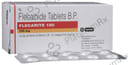
Flecarite 100mg Tablet 10s
Torrent Pharmaceuticals Ltd.
Strip of 10 tablets
MRP
₹444.6

Normabeat 100mg Tablet 10s
Tas Med India Pvt. Ltd.
Strip of 10 tablets
₹280.6
MRP ₹342.2
37% OFF
Salt Composition
Flecainide 50mg
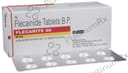
Flecarite 50mg Tablet 10s
Torrent Pharmaceuticals Ltd.
Strip of 10 tablets
₹209
18% OFF
MRP ₹254.9
Salt Composition
Flecainide 100mg
Normabeat 100mg Tablet 10s
Tas Med India Pvt. Ltd.
Strip of 10 tablets
₹280.6
18% OFF
MRP ₹342.2
Salt Composition in both
Flecainide 50mg
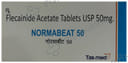
Normabeat 50mg Tablet 10s
Tas Med India Pvt. Ltd.
Strip of 10 tablets
MRP
₹195
Flecarite 50mg Tablet 10s
Torrent Pharmaceuticals Ltd.
Strip of 10 tablets
₹209
MRP ₹254.9
Salt Composition in both
Flecainide 50mg
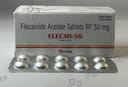
Flecad 50mg Tablet 10s
Chemo Healthcare Pvt. Ltd.
Strip of 10 tablets
MRP
₹186
Flecarite 50mg Tablet 10s
Torrent Pharmaceuticals Ltd.
Strip of 10 tablets
₹209
MRP ₹254.9
Salt Composition in both
Flecainide 100mg
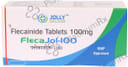
FlecaJol 100mg Tablet 10s
Le Jolly Healthcare Pvt. Ltd.
Strip of 10 Tablets
MRP
₹342.2
Normabeat 100mg Tablet 10s
Tas Med India Pvt. Ltd.
Strip of 10 tablets
₹280.6
MRP ₹342.2
18% OFF
Salt Composition in both
Flecainide 50mg
FlecaJol 50mg Tablet 10s
Le Jolly Healthcare Pvt. Ltd.
Strip of 10 Tablets
MRP
₹178.1
Flecarite 50mg Tablet 10s
Torrent Pharmaceuticals Ltd.
Strip of 10 tablets
₹209
MRP ₹254.9
Salt Composition in both
Flecainide 100mg
Flecroin 100mg Tablet 10s
NVK Pharma
Strip of 10 Tablets
MRP
₹345.3
Normabeat 100mg Tablet 10s
Tas Med India Pvt. Ltd.
Strip of 10 tablets
₹280.6
MRP ₹342.2
19% OFF
Salt Composition in both
Flecainide 50mg
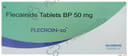
Flecroin 50mg Tablet 10s
NVK Pharma
Strip of 10 Tablets
MRP
₹180.1
Flecarite 50mg Tablet 10s
Torrent Pharmaceuticals Ltd.
Strip of 10 tablets
₹209
MRP ₹254.9