Felodipine

Uses

Felodipine is used in the treatment of angina (heart-related chest pain), hypertension (high blood pressure), arrhythmia, hypertensive emergency, subarachnoid hemorrhage, and anal fissure.

How it Works

How Felodipine works Felodipine is a calcium channel blocker. In cases of high blood pressure, it helps normalize blood pressure by relaxing the blood vessels, which reduces the pressure on them and improves blood flow throughout the body. This enhanced blood flow further relaxes the heart muscles by decreasing the workload on the heart. Additionally, it improves oxygen delivery in the body, helping to prevent heart-related chest pain.

Side Effects

Common side effects of Felodipine include dizziness, flushing (a sense of warmth in the face, ears, neck, and trunk), headache, nausea, palpitations, constipation, peripheral edema, weakness, dyspepsia, paresthesia (tingling or pricking sensation), upper respiratory tract infection, cough, runny nose, sneezing, and rash.

Expert Advice

  • A sudden drop in blood pressure may occur, especially when you first start taking Felodipine.
  • To lower the chance of feeling dizzy or passing out, rise slowly if you have been sitting or lying down.
  • Felodipine can cause ankle or foot swelling.
  • To reduce the swelling, raise your legs while sitting down.
  • Consult your doctor if the swelling does not go away.
  • Felodipine may cause dizziness.
  • Do not drive or perform any activity that requires mental focus until you know how Felodipine affects you.
  • Inform your doctor if you are pregnant, planning a pregnancy, or breastfeeding.
  • You have been prescribed Felodipine to improve your blood pressure and/or to reduce the number and severity of angina attacks.
  • Lowering blood pressure reduces the risk of future heart attack and stroke.
  • Take Felodipine at the same time every day to help you remember to take it.

Other Combinations

Related Medications

Molecule
Salt Composition

Felodipine 10mg

hero_image
Plendil ER 10mg Tablet
AstraZeneca
Strip of 10 tablets
MRP

115.6

Sorry, the substitute medicine is Currently Unavailable
Molecule
Salt Composition

Felodipine 2.5mg

hero_image
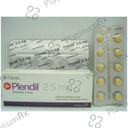
Plendil 2.5mg Tablet ER
AstraZeneca
Strip of 10 tablets
MRP

36.7

Sorry, the substitute medicine is Currently Unavailable
Molecule
Salt Composition

Felodipine 10mg

hero_image
Plendil 10mg Tablet
AstraZeneca
Strip of 10 tablets
MRP

132

Sorry, the substitute medicine is Currently Unavailable
Molecule
Salt Composition

Felodipine 5mg

hero_image
Renedil 5mg Tablet
Sanofi India Ltd.
Strip of 10 tablets
MRP

39

Sorry, the substitute medicine is Currently Unavailable
Molecule
Salt Composition

Felodipine 10mg

hero_image
Felogard 10 Tablet ER
Cipla Ltd.
Strip of 10 tablets
MRP

80.9

Sorry, the substitute medicine is Currently Unavailable
Molecule
Salt Composition

Felodipine 2.5mg

hero_image
Felogard 2.5 Tablet ER
Cipla Ltd.
Strip of 10 tablets
MRP

31.5

Sorry, the substitute medicine is Currently Unavailable
Molecule
Salt Composition

Felodipine 2.5mg

hero_image
Renedil 2.5mg Tablet ER
Sanofi India Ltd.
Strip of 10 tablets
MRP

31

Sorry, the substitute medicine is Currently Unavailable
Molecule
Salt Composition

Felodipine 10mg

hero_image
Renedil 10mg Tablet
Sanofi India Ltd.
Strip of 10 tablets
MRP

69

Sorry, the substitute medicine is Currently Unavailable
Molecule
Salt Composition

Felodipine 5mg

hero_image
PLENDIL 5MG TABLET
AstraZeneca
Strip of 10 tablets
MRP

86

Sorry, the substitute medicine is Currently Unavailable
Molecule
Salt Composition

Felodipine 5mg

hero_image
Felogard 5mg Tablet ER
Cipla Ltd.
Strip of 10 tablets
MRP

62

Sorry, the substitute medicine is Currently Unavailable

Frequently asked questions

Felodipine is generally safe when taken as prescribed by a doctor. While it may cause temporary side effects, consult your doctor if they persist.
Felodipine can be taken once daily, either in the morning or evening. Consistency in timing is recommended to maintain medication levels.
Felodipine lowers blood pressure by relaxing blood vessels, improving blood supply to the heart, and reducing heart strain.
Felodipine and amlodipine are both calcium channel blockers used to treat hypertension and angina, but they differ in duration of action and dosage.
Continue taking Felodipine as long as prescribed by your doctor, as treatment duration depends on your condition and response. Stopping suddenly may increase blood pressure and the risk of stroke or heart attack.
Ankle or foot swelling can occur with Felodipine. Elevate your legs while sitting, and consult your doctor if the swelling persists.
Avoid grapefruit and grapefruit juice, follow a low-sodium and low-fat diet, and adhere to lifestyle changes recommended by your doctor.
;