More About Dorzolamide + Timolol
Quick Summary
Dorzolamide + Timolol is a prescription eye drop with two medicines in one bottle. Dorzolamide (present as dorzolamide hydrochloride) is a carbonic anhydrase inhibitor. Timolol (present as timolol maleate) is a beta-blocker. Dorzolamide + Timolol lowers high pressure inside the eye in people with open-angle glaucoma (a long-term condition where raised eye pressure slowly damages the optic nerve) or ocular hypertension (raised eye pressure). Doctors usually prescribe it when a beta-blocker eye drop alone has not lowered the pressure enough. Both medicines reduce the amount of fluid the eye makes, which helps protect the optic nerve and your sight. Dorzolamide + Timolol keeps eye pressure under control only while you keep using it, so treatment is usually long term.
Detailed Description
Your eye is filled with a clear fluid called aqueous humour. The eye makes this fluid all the time and drains it away. If too much fluid builds up, the pressure inside the eye rises. Over time, high eye pressure can damage the optic nerve and lead to permanent loss of sight. This is what happens in glaucoma.
Dorzolamide + Timolol lowers this pressure in two ways. The dorzolamide part blocks an enzyme the eye needs to make fluid. The timolol part blocks beta receptors in the eye, which also cuts down fluid production. With less fluid being made, the pressure inside the eye falls.
Dorzolamide + Timolol is used for:
- Open-angle glaucoma - the most common type of glaucoma, where eye pressure rises slowly and damages the optic nerve over time. Dorzolamide + Timolol is used when a beta-blocker eye drop alone has not controlled the pressure.
- Ocular hypertension (raised eye pressure) - eye pressure that is higher than normal but has not yet damaged the nerve. Here too, it is used when a beta-blocker drop alone has not brought the pressure down to the target level.
Having both medicines in one bottle means fewer drops each day. When the two medicines are used as separate drops, dorzolamide is usually put in three times a day and timolol twice a day. Dorzolamide + Timolol is used only twice a day. In studies, the combination lowered pressure slightly less than the two medicines used separately. It still lowered pressure more than either medicine used alone.
Although these are eye drops, some of the medicine gets into the bloodstream. Because of this, timolol can affect the heart and lungs in the same way as a beta-blocker tablet. It can slow the heartbeat or tighten the airways. Dorzolamide is a sulfonamide ("sulfa" medicine), so in rare cases it can cause the serious allergic and skin reactions linked to sulfa drugs. For these reasons, Dorzolamide + Timolol must not be used by people who have or have ever had asthma, or who have:
- severe chronic obstructive pulmonary disease (COPD)
- a very slow heartbeat
- second- or third-degree heart block (a problem with the heart's electrical signals)
- heart failure that is not under control
- cardiogenic shock (sudden loss of the heart's pumping power)
Do not use it if you are allergic to dorzolamide, timolol, or any other ingredient in the drops. Your doctor will check your eye pressure regularly to see how well the drops are working.
Benefits of Dorzolamide + Timolol
- Two ways to lower eye pressure - Dorzolamide and timolol each reduce fluid production in the eye in a different way. Together they lower pressure more than either medicine alone.
- Fewer drops each day - One bottle used twice a day replaces two separate bottles, one of which would need to be used three times a day.
- Helps when a beta-blocker alone is not enough - Dorzolamide + Timolol is meant for people whose eye pressure stayed too high on a beta-blocker drop by itself.
- Steady long-term effect - In studies that followed people for up to 12 months, the pressure-lowering effect of twice-daily use stayed steady.
- Helps protect your sight - Keeping eye pressure under control helps protect the optic nerve from further damage caused by glaucoma.
Side Effects of Dorzolamide + Timolol
Common Side Effects (Usually Mild and may lessen with continued use)
- Bitter, sour, or unusual taste in the mouth after putting in the drops
- Burning or stinging in the eye
- Red eyes
- Blurred vision for a short time after using the drops
- Itchy, dry, or watery eyes
- Feeling that something is in the eye
- Swollen or red eyelids
- Headache or dizziness
- Nausea or upset stomach
Serious Side Effects (Seek Urgent Medical Attention)
If you notice any sign of a serious skin, allergic, liver, or blood reaction, or any sign of heart failure, stop using Dorzolamide + Timolol and get medical help straight away. Once you have had a serious sulfa reaction, it can happen again with any sulfa medicine, whether you take it by mouth, by injection, or as eye drops.
- Breathing problems (bronchospasm) - wheezing, a tight chest, or shortness of breath. This happens when the airways suddenly narrow. It can be very serious in people with asthma or COPD.
- Heart effects - a very slow heartbeat (bradycardia), fainting, or chest pain. Watch for signs of heart failure such as shortness of breath, an irregular or pounding heartbeat (palpitations), swelling of the ankles or feet, or sudden weight gain.
- Stevens-Johnson syndrome and toxic epidermal necrolysis - rare but serious skin reactions linked to sulfa medicines like dorzolamide. Warning signs are a spreading rash, blisters, peeling skin, or sores in the mouth, eyes, or genitals, often with fever. These reactions can be life-threatening and need emergency care.
- Other serious sulfa reactions - in rare cases, severe liver damage or serious blood problems (such as a very low white blood cell count). Watch for yellow skin or eyes, unusual bleeding or bruising, or repeated infections.
- Serious allergic reaction - swelling of the face, lips, or throat, hives, or trouble breathing or swallowing.
- Muscle weakness - double vision, drooping eyelids, or general weakness, especially in people with myasthenia gravis (a long-term condition that causes muscle weakness).
- Eye problems - eye infection, pink eye, or cloudy vision caused by swelling of the clear front part of the eye (corneal oedema). People whose cornea already has a weak inner layer are more at risk.
- Mood or mind changes - depression, confusion, or hallucinations.
Directions for Use
Dorzolamide + Timolol is used only in the eye. Never swallow it or inject it.
- Wash your hands well with soap and water.
- Before using a new bottle for the first time, check that the safety seal around the cap is not broken. If it is broken, ask your pharmacist for a new bottle.
- Check that the dropper tip is not chipped or cracked.
- Shake the bottle once before each use and remove the cap.
- Tilt your head back and gently pull down your lower eyelid with one finger to make a small pocket.
- Hold the bottle tip down, close to the eye but not touching it. Squeeze gently so that one drop falls into the pocket.
- Close your eye for 2 to 3 minutes and tip your head down as if looking at the floor. Try not to blink or squeeze your eyelids.
- Press a finger gently on the inner corner of your eye, near the nose, over the tear duct.
- Wipe away any extra liquid from your face with a tissue.
- Put the cap back on tightly. Do not wipe or rinse the dropper tip.
- Wash your hands again to remove any medicine.
Other practical points:
- Follow the schedule your doctor gives you. Using the drops at about the same times each day makes it easier to remember them.
- If you use other eye drops, wait at least 5 minutes between Dorzolamide + Timolol and the other drops.
- If you wear contact lenses, take them out before using the drops and wait 15 minutes before putting them back. The preservative in the drops (benzalkonium chloride) can be absorbed by soft lenses.
- Never let the dropper tip touch your eye, eyelid, fingers, or any other surface. A contaminated bottle can cause a serious eye infection.
- Keep using Dorzolamide + Timolol even if your eyes feel fine. High eye pressure usually causes no symptoms. Do not stop without talking to your doctor.
How it works
Dorzolamide + Timolol lowers eye pressure by cutting down how much fluid the eye makes. Each part does this in its own way.
Dorzolamide blocks an enzyme called carbonic anhydrase II. An enzyme is a natural protein that speeds up a chemical reaction in the body. In the part of the eye that makes fluid (the ciliary body), this enzyme helps make bicarbonate. The eye uses bicarbonate to move sodium and water into the fluid it produces. When dorzolamide blocks the enzyme, less bicarbonate is made, less sodium and water move across, and the eye produces less fluid.
Timolol is a non-selective beta-blocker. This means it blocks both types of beta receptors (beta-1 and beta-2). Receptors are "switches" on cells that respond to natural chemicals such as adrenaline (also called epinephrine). Timolol blocks beta receptors in the ciliary body, and this reduces how much fluid the eye produces. It does not change pupil size or focusing, and it does not numb the surface of the eye. Exactly how blocking these receptors lowers fluid production is not fully known.
Working together: The two medicines reduce fluid in different ways, so their effects add up. This lowers eye pressure more than either medicine alone.
Safety Advice for Dorzolamide + Timolol

Pregnancy
Limited information
There are no good studies in pregnant women. In animal studies, high doses of dorzolamide given by mouth caused defects in the spine bones of rabbit babies. These doses were far higher than the eye-drop dose and also made the mother rabbits unwell. Timolol did not cause birth defects in animal studies. Dorzolamide + Timolol should be used in pregnancy only if your doctor decides the benefit outweighs the possible risk to the baby. Tell your doctor straight away if you are pregnant, plan to become pregnant, or become pregnant while using these drops.

Breastfeeding
Limited information
Timolol passes into breast milk. It is not known whether dorzolamide does. Because the baby could have serious side effects, you and your doctor will decide whether to stop breastfeeding or stop the medicine.

Alcohol
Limited information
The product label does not list a direct interaction with alcohol. If the drops make you dizzy, ask your doctor whether it is safe for you to drink alcohol.

Driving
Limited information
Dorzolamide + Timolol can blur your vision for a short time after use, and it sometimes causes dizziness. Do not drive or use machines until your vision is clear and you feel steady.

Kidney
Limited information
Dorzolamide leaves the body mainly through the kidneys. Dorzolamide + Timolol is not recommended for people with severe kidney disease. Tell your doctor about any kidney problem.

Liver
Limited information
Dorzolamide has not been studied in people with liver disease. Dorzolamide + Timolol should be used with caution if you have liver problems.

Children
Limited information
When used as separate eye drops, dorzolamide and timolol have each been shown to be safe and effective in children aged 2 years and older. It is not known whether they are safe in children under 2 years. A child should use Dorzolamide + Timolol only if an eye specialist prescribes it.

Elderly patients
Limited information
Studies found no overall difference in safety or effectiveness between older and younger adults. Older people with heart or lung problems should tell their doctor before starting.
Quick Tips for Dorzolamide + Timolol
- Most people prescribed Dorzolamide + Timolol use it once in the morning and once in the evening. Your doctor will tell you the schedule that is right for you.
- After each drop, close your eye and press gently on its inner corner for a few minutes.
- A bitter or unusual taste after using the drops is common and is usually harmless.
- Wait at least 5 minutes between Dorzolamide + Timolol and any other eye drop.
- If you wear contact lenses, take them out before using the drops and wait 15 minutes before putting them back.
- Never let the dropper tip touch anything, including your eye.
- If you get an eye injury or infection, or have eye surgery, ask your doctor whether you can keep using the same bottle.
- Tell your doctor at once if you notice wheezing, a very slow pulse, a skin rash, or muscle weakness.
- If you have allergies, tell your doctor. While you use Dorzolamide + Timolol, allergic reactions may be stronger and may not respond to the usual dose of adrenaline.
- Keep all eye check-ups so your doctor can measure your eye pressure.
Storage Advice
- Store at 20°C to 25°C (68°F to 77°F).
- Protect from light. Keep the bottle in its carton and keep it tightly closed.
- Keep away from heat and moisture. Do not store it in the bathroom.
- Check the expiry date on the bottle and do not use the drops after this date.
- Keep out of the sight and reach of children and pets.
- Do not flush unused medicine down the toilet. Ask your pharmacist how to dispose of it safely.
Drug-Food Interaction
Dorzolamide + Timolol goes into the eye, not the stomach. Meals, milk, fruit juices, and caffeine do not change how it works. Unless your doctor gives you special diet advice, you can eat normally.
Interactions with Other Drugs
- Carbonic anhydrase inhibitor tablets (such as acetazolamide) - Using these with Dorzolamide + Timolol can increase side effects in the rest of the body. Using them together is not recommended.
- High-dose aspirin and other salicylates - Carbonic anhydrase inhibitor tablets have upset the acid and salt balance in the blood, and this has led to salicylate (aspirin) poisoning. Your doctor will keep this possible risk in mind.
- Beta-blocker tablets (such as propranolol, metoprolol, atenolol) - These can add to the beta-blocking effects of timolol, both in the eye and in the rest of the body. Using two beta-blocker eye drops together is not recommended.
- Calcium channel blockers (such as verapamil, diltiazem) - Taking these by mouth or by injection with Dorzolamide + Timolol may slow the heart's electrical signals, weaken the heart, or lower blood pressure. People with a weak heart should avoid this combination.
- Digoxin together with calcium channel blockers - Combined with timolol, these may slow the heart's electrical signals even more.
- Reserpine and similar medicines - These may add to the effect of timolol and cause low blood pressure, a very slow heartbeat, dizziness, or fainting.
- Quinidine and SSRI antidepressants (such as fluoxetine, paroxetine) - These can slow how quickly the body breaks down timolol. This can lead to a slower heart rate or low mood.
- Clonidine - When clonidine is stopped, blood pressure can rise. Beta-blocker tablets can make this rise worse. This has not been reported with timolol eye drops, but tell your doctor if you take clonidine.
- Adrenaline (epinephrine) - People with severe allergies may not respond to the usual dose of adrenaline used to treat an allergic emergency.
Drug-Disease Interactions
- Allergy to any ingredient - Do not use Dorzolamide + Timolol if you have ever had an allergic reaction to dorzolamide, timolol, or any other ingredient in the drops, including the preservative benzalkonium chloride.
- Asthma (now or in the past) or severe COPD - Do not use Dorzolamide + Timolol. Timolol can tighten the airways and cause severe, even fatal, breathing attacks.
- Mild to moderate COPD, chronic bronchitis, or emphysema - Beta-blocker drops, including Dorzolamide + Timolol, are generally avoided.
- Heart problems - Do not use Dorzolamide + Timolol if you have a very slow heartbeat, second- or third-degree heart block, uncontrolled heart failure, or cardiogenic shock (sudden loss of the heart's pumping power). If your heart is already weak, timolol may make heart failure worse. Even in people who have never had heart failure, long-term use can sometimes weaken the heart enough to cause it. Stop the drops and see your doctor at the first sign of heart failure.
- Sulfa allergy - Dorzolamide is a sulfonamide. Tell your doctor if you have ever reacted to a sulfa medicine.
- Diabetes - Timolol can hide the warning signs of low blood sugar, especially in people taking insulin or diabetes tablets.
- Overactive thyroid (hyperthyroidism) - Timolol can hide signs such as a fast heartbeat. Stopping it suddenly may trigger a dangerous thyroid flare-up called thyroid storm.
- Myasthenia gravis - Timolol may, in rare cases, make muscle weakness, double vision, or drooping eyelids worse.
- Severe kidney disease - Dorzolamide + Timolol is not recommended.
- Liver disease - Use with caution.
- Weak cornea (low endothelial cell count) - The clear front part of the eye is more likely to swell.
- History of severe allergies - Allergic reactions may be stronger and harder to treat while you use a beta-blocker.
Daily Dose
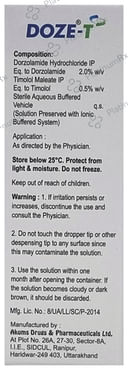
- Dorzolamide + Timolol usually contains dorzolamide 2% (20 mg/mL) and timolol 0.5% (5 mg/mL).
- The usual dose is 1 drop in the affected eye or eyes, 2 times a day (morning and evening).
- Do not use more drops, or use them more often, than your doctor has prescribed. Extra drops can increase side effects.
- Always follow the exact dose and schedule your doctor prescribes.
Overdose
Using too much Dorzolamide + Timolol can cause effects like those of a beta-blocker or carbonic anhydrase inhibitor tablet. Signs may include:
- Dizziness
- Headache
- Shortness of breath or trouble breathing
- Very slow heartbeat
- Wheezing or tight chest
- Confusion or other effects on the brain and nerves
In rare cases, an overdose can upset the salt and acid balance of the blood, or even stop the heart. If anyone has used too much, or a child has swallowed the drops, go to the nearest hospital emergency department straight away. If the person has collapsed, has a seizure, cannot breathe properly, or cannot be woken up, call emergency services at once. Doctors may check blood salt levels (especially potassium) and blood acid levels.
What If You Forget to take Dorzolamide + Timolol?
- Put in the missed drop as soon as you remember.
- If it is almost time for your next dose, skip the missed drop and continue with your usual schedule.
- Do not put in extra drops to make up for a missed dose.
- A phone reminder for your morning and evening doses can help you stay on schedule.
When to contact doctor
Get medical help right away if you notice:
- Wheezing, tight chest, or shortness of breath
- A very slow, irregular, or pounding heartbeat, fainting, or chest pain
- Swelling of the hands, feet, ankles, or lower legs, or sudden weight gain
- A skin rash, blisters, peeling skin, or sores in the mouth or eyes
- Swelling of the face, lips, tongue, or throat, or hives
- Yellow skin or eyes, unusual bruising or bleeding, or repeated infections
- Muscle weakness, double vision, or drooping eyelids
- Eye pain, pink eye, discharge, or red, swollen eyelids
- Blurred or cloudy vision that does not clear
- Depression, confusion, or hallucinations
- An eye injury, an eye infection, or upcoming eye surgery (ask whether you can keep using the same bottle)
References
Fact Box
Therapeutic Class
Anti-glaucoma agent (ophthalmic)
Action Class
Carbonic anhydrase inhibitor (Dorzolamide) + Non-selective beta-adrenergic blocker (Timolol)
Chemical Class
Thienothiopyran sulfonamide (Dorzolamide) + Aryloxypropanolamine with a morpholino-thiadiazole ring (Timolol)
Habit Forming
No
Checkout Editorial Policy
Top Selling Medicines
Top Health Products
Top Selling Devices
Related Medications

Dorzolamide 2% w/v + Timolol 0.5% w/v
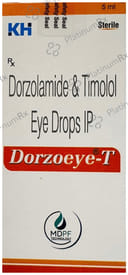
₹492.2
₹154.5
MRP ₹309
Dorzolamide 2% w/v + Timolol 0.5% w/v
₹281.3
₹154.5
MRP ₹309
Dorzolamide 2% w/v + Timolol 0.5% w/v
₹257.8
₹154.5
MRP ₹309
Dorzolamide 2% w/v + Timolol 0.5% w/v
₹210.9
₹154.5
MRP ₹309
Dorzolamide 2% w/v + Timolol 0.5% w/v
₹276.6
₹154.5
MRP ₹309
Dorzolamide 2% w/v + Timolol 0.5% w/v
₹395.6
₹154.5
MRP ₹309
Dorzolamide 2% w/v + Timolol 0.5% w/v
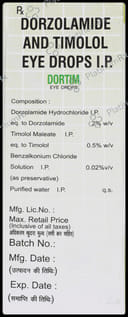
₹517.3
₹154.5
MRP ₹309
Dorzolamide 2% w/v + Timolol 0.5% w/v
₹298
₹154.5
MRP ₹309
Dorzolamide 2% w/v + Timolol 0.5% w/v
₹514
₹154.5
MRP ₹309
Dorzolamide 2% w/v + Timolol 0.5% w/v
₹527.8
₹154.5
MRP ₹309
Dorzolamide 2% w/v + Timolol 0.5% w/v
₹290.6
₹154.5
MRP ₹309
Dorzolamide 2% w/v + Timolol 0.5% w/v
₹210.9
₹154.5
MRP ₹309
Dorzolamide 2% w/v + Timolol 0.5% w/v
₹567.2
₹154.5
MRP ₹309
Dorzolamide 2% w/v + Timolol 0.5% w/v
₹276.6
₹154.5
MRP ₹309
Dorzolamide 2% w/v + Timolol 0.5% w/v
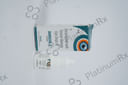
₹395
₹154.5
MRP ₹309
Dorzolamide 2% w/v + Timolol 0.5% w/v
₹257.8
₹154.5
MRP ₹309
Dorzolamide 2% w/v + Timolol 0.5% w/v
₹398.4
₹154.5
MRP ₹309
Dorzolamide 2% w/v + Timolol 0.5% w/v
₹271.9
₹154.5
MRP ₹309
Dorzolamide 2% w/v + Timolol 0.5% w/v
₹206.3
₹154.5
MRP ₹309
Dorzolamide 2% w/v + Timolol 0.5% w/v
₹398.4
₹154.5
MRP ₹309
Dorzolamide 2% w/v + Timolol 0.5% w/v
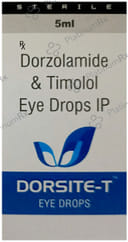
₹281.3
₹154.5
MRP ₹309
Dorzolamide 2% w/v + Timolol 0.5% w/v
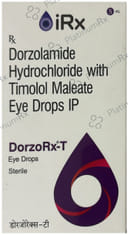
₹515.6
₹154.5
MRP ₹309
Dorzolamide 2% w/v + Timolol 0.5% w/v
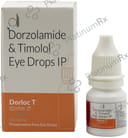
₹300
₹154.5
MRP ₹309
Dorzolamide 2% w/v + Timolol 0.5% w/v

₹540
₹154.5
MRP ₹309
Dorzolamide 2% w/v + Timolol 0.05% w/v
₹456.6