


More About Docusate Sodium + Ferrous Fumarate + Vitamin B9 (Folic Acid)
Quick Summary
Docusate Sodium + Ferrous Fumarate + Vitamin B9 (Folic Acid) is a haematinic combination used to prevent and treat iron deficiency anaemia and combined iron and folate deficiency. It contains ferrous fumarate (a well-absorbed iron salt), folic acid (vitamin B9, essential for red blood cell formation and pregnancy), and docusate sodium (a stool softener included to reduce the constipation that oral iron commonly causes). It is widely used during pregnancy, in iron deficiency from heavy menstrual losses, and in convalescence.
Detailed Description
Iron deficiency is the most common nutritional deficiency worldwide and the leading cause of anaemia. Iron is needed to produce haemoglobin, the oxygen-carrying protein in red blood cells. Deficiency causes fatigue, breathlessness, pallor, palpitations, and reduced exercise tolerance. Pregnant women, women with heavy menstrual periods, growing children, and people with malabsorption are at particular risk.
Ferrous fumarate is a salt of ferrous iron (Fe²⁺) — the form most efficiently absorbed by the body. It has high elemental iron content per tablet and is widely used to correct iron deficiency.
Folic acid is the synthetic form of folate used in supplements and fortified foods. It is essential for DNA synthesis and red blood cell formation. Folate requirements rise significantly in pregnancy, where adequate intake helps reduce the risk of neural tube defects in the developing baby.
Docusate sodium is a stool softener that works by allowing water and fat to mix into stool, making it softer and easier to pass. It is included in iron preparations because oral iron commonly causes constipation, which is a major reason for poor adherence to treatment.
Uses of Docusate Sodium + Ferrous Fumarate + Vitamin B9 (Folic Acid)
- Prevention and treatment of iron deficiency anaemia in adults.
- Treatment of combined iron and folate deficiency.
- Iron and folate supplementation during pregnancy, under medical guidance.
- Recovery from blood loss due to heavy menstruation, surgery, or chronic illness.
- Adjunct in nutritional anaemia where constipation from iron supplementation is a concern.
Benefits of Docusate Sodium + Ferrous Fumarate + Vitamin B9 (Folic Acid)
- Ferrous fumarate provides well-absorbed elemental iron to replenish stores and raise haemoglobin.
- Folic acid supports red blood cell formation and reduces neural tube defect risk in pregnancy.
- Docusate sodium reduces iron-induced constipation, supporting adherence to longer treatment courses.
- A single combination simplifies the supplementation regimen.
- Generally well tolerated when taken with food, with broad clinical experience.
Side Effects of Docusate Sodium + Ferrous Fumarate + Vitamin B9 (Folic Acid)
Common
- Dark or black stools (a harmless effect of unabsorbed iron)
- Constipation or, less often, diarrhoea
- Nausea and stomach upset
- Metallic taste
Uncommon
- Heartburn or abdominal pain
- Staining of teeth with liquid preparations
- Loss of appetite
Serious side effects requiring immediate attention
- Severe allergic reaction
- Severe abdominal pain, vomiting blood, or black tarry stools (which may indicate gastrointestinal bleeding rather than the harmless iron-related stool darkening)
- Accidental overdose, especially in children, may lead to paediatric poisoning
Directions for Use
Take Docusate Sodium + Ferrous Fumarate + Vitamin B9 (Folic Acid) orally with a meal to reduce stomach upset, although iron absorbs slightly better on an empty stomach if you tolerate it. Swallow whole with a glass of water. Avoid taking with tea, coffee, milk, or calcium supplements within 1–2 hours, as these reduce iron absorption. Taking Docusate Sodium + Ferrous Fumarate + Vitamin B9 (Folic Acid) with a vitamin C source (such as orange juice) can improve absorption. Keep iron-containing products safely out of reach of children, as even a small overdose can be dangerous for them. Do not stop the supplement before completing the course your doctor prescribes, as iron stores take time to replenish even after haemoglobin recovers.
How it works
Ferrous fumarate dissociates in the stomach to release ferrous iron (Fe²⁺), which is absorbed in the upper small intestine through specific iron transporters on intestinal cells. Absorbed iron is delivered to the bone marrow, where it is incorporated into haemoglobin in developing red blood cells. Excess iron is stored as ferritin in the liver, spleen, and bone marrow.
Folic acid is reduced in the body to active tetrahydrofolate, which carries single-carbon units used in the synthesis of DNA bases. This activity is essential for rapidly dividing cells, including red blood cell precursors in the bone marrow and developing fetal tissue in pregnancy. Folate deficiency causes megaloblastic anaemia and increases the risk of neural tube defects in the developing baby.
Research reveals that completing the full course of iron supplementation is more important than achieving a quick rise in haemoglobin, because iron stores (measured by ferritin) take longer to replenish than the blood count itself.
Docusate sodium is an anionic surfactant that allows water and fat to mix with stool, softening it and easing passage. It does not stimulate bowel contractions, so it works gently and can be taken alongside iron without the cramping associated with stimulant laxatives.
Safety Advice for Docusate Sodium + Ferrous Fumarate + Vitamin B9 (Folic Acid)

Allergy
Unsafe
Avoid in known hypersensitivity to any component or excipient.

Breastfeeding
Safe
Safe at recommended doses; iron and folate are commonly used during breastfeeding.

Pregnancy
Safe
Routinely used in pregnancy. Folic acid is particularly important in the first trimester.

Driving
Safe
No known effect on alertness or driving.

Alcohol
Caution
Heavy alcohol affects iron handling and worsens nutritional status.

Liver
Caution
Severe liver disease may affect iron storage; medical review advised.

Kidney
Safe
No specific dose adjustment at standard doses.

Children
Caution
Use only as prescribed. Store safely as iron overdose in children can be fatal.

Elderly patients
Safe
Common in older adults; monitor for constipation.
Drug-Food Interaction
- Tea and coffee (CAUTION): Tannins and polyphenols chelate non-haem iron in the gut and reduce its absorption. Separate the two by 1–2 hours.
- Milk and dairy products (CAUTION): Calcium competes with iron for intestinal uptake, lowering iron absorption; separate by 1–2 hours.
- Bran and high-phytate foods (CAUTION): Phytates form insoluble complexes with iron and impair absorption.
- Vitamin C-rich foods (BENEFICIAL): Ascorbic acid reduces ferric to ferrous iron and enhances intestinal absorption.
Interactions with Other Drugs
- Tetracyclines and fluoroquinolones (SEVERE): Iron chelates these antibiotics in the gut and lowers their absorption. You should separate the two medications by 2–4 hours.
- Levothyroxine (SEVERE): Iron binds to levothyroxine and impairs its absorption; separate by at least 4 hours.
- Bisphosphonates (SEVERE): Iron reduces bisphosphonate absorption; take the bisphosphonate first on an empty stomach and the supplement at least 2 hours later.
- Mineral oil (SEVERE): Docusate increases systemic absorption of mineral oil and raises the risk of lipoid pneumonia; avoid co-administration.
- Methotrexate, sulfasalazine, trimethoprim (CAUTION): These exert antifolate effects and may reduce folic acid efficacy; clinical review of timing and dose is required.
- Levodopa (CAUTION): Iron forms chelates with levodopa and reduces its absorption and clinical effect.
- Antacids and proton pump inhibitors (CAUTION): Raised gastric pH reduces ionisation and absorption of ferrous iron salts.
- Phenytoin (CAUTION): High-dose folic acid can lower serum phenytoin levels and reduce seizure control; monitor levels.
Drug-Disease Interactions
- Haemochromatosis or other iron overload disorders (CONTRAINDICATED): Supplemental iron compounds exacerbate tissue overload and accelerate organ damage.
- Repeated blood transfusions (CONTRAINDICATED): The quantity of iron is already high in transfused blood, and the added oral iron risks haemosiderosis (too much iron deposits in tissues).
- Untreated B12 deficiency with neurological symptoms (CONSULT YOUR DOCTOR): Folic acid corrects the anaemia but allows underlying neurological damage from B12 deficiency to progress unchecked.
- Active peptic ulcer disease or ulcerative colitis (CAUTION): Oral iron is locally irritant and can worsen mucosal inflammation and bleeding.
- Intestinal obstruction or faecal impaction (CONTRAINDICATED): Docusate must not be used in true obstruction; rule out clinically before initiating.
Overdose
Overdose of Docusate Sodium + Ferrous Fumarate + Vitamin B9 (Folic Acid) could be a medical emergency, especially in children. The affected child may show early symptoms such as vomiting (sometimes bloody), diarrhoea, abdominal pain, and shock. After an apparent recovery, severe liver injury, metabolic acidosis, and multi-organ failure can develop. Suspected iron ingestion requires immediate medical attention. Keep iron-containing products in child-resistant containers and out of reach of children.
What If You Forget to take Docusate Sodium + Ferrous Fumarate + Vitamin B9 (Folic Acid)?
If you miss a dose, take it as soon as you remember on the same day with a meal. If it is close to the next dose, skip the missed dose and continue. Do not double the dose.
References
Fact Box
Therapeutic Class
Action Class
Haematinic combination with a stool softener
Chemical Class
Ferrous iron salt (ferrous fumarate); pteroylglutamic acid (folic acid); anionic surfactant stool softener (docusate sodium)
Habit Forming
No
Checkout Editorial Policy
Top Selling Medicines
Top Health Products
Top Selling Devices
Related Medications

Docusate Sodium 50mg + Ferrous Fumarate 165mg + Vitamin B9 (Folic Acid) 750000mcg
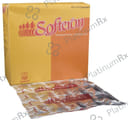
₹59.7
MRP ₹72.8
Copper 1mg + Docusate Sodium 50mg + Ferrous Fumarate 60mg + Vitamin B9 (Folic Acid) 1000mcg + Vitamin B12 (Methylcobalamin) 7.5mcg
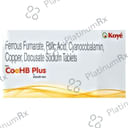
₹184.6
₹191.1
MRP ₹233
Copper 1mg + Docusate Sodium 50mg + Ferrous Fumarate 60mg + Vitamin B9 (Folic Acid) 1000mcg + Vitamin B12 (Methylcobalamin) 7.5mcg
₹145.3
₹191.1
MRP ₹233
Copper 1mg + Docusate Sodium 50mg + Ferrous Fumarate 60mg + Vitamin B9 (Folic Acid) 1000mcg + Vitamin B12 (Methylcobalamin) 7.5mcg
₹191.1
MRP ₹233