


More About Disodium Hydrogen Citrate
Quick Summary
Disodium Hydrogen Citrate (Disodium Hydrogen Citrate) is an oral systemic and urinary alkalizing agent. It is primarily formulated as a liquid syrup or a powder for reconstitution. Chemically, it is an acid salt of citric acid. Its primary clinical function is to increase the pH of urine, making it less acidic. This process is essential for relieving the symptoms of burning micturition (painful urination) typically associated with Urinary Tract Infections (UTIs). Furthermore, it plays a critical role in the management of certain types of kidney stones, specifically uric acid stones and cystine stones, as these crystals are more soluble in alkaline environments. By acting as a buffer, Disodium Hydrogen Citrate helps maintain metabolic equilibrium in patients suffering from mild metabolic acidosis. The dose is designed to provide a controlled shift in urinary chemistry.
Detailed Description
Disodium Hydrogen Citrate serves as a vital therapeutic tool in urology and nephrology. To understand its value, one must examine the delicate balance of urinary biochemistry and how Disodium Hydrogen Citrate intervenes to restore comfort and health.
The Chemistry of Alkalization
Disodium Hydrogen Citrate is an organic salt. Once ingested, the citrate ion is metabolized in the body to form bicarbonate. This metabolic conversion occurs primarily in the liver. The resulting bicarbonate acts as a systemic alkalizer, increasing the alkalinity of the blood plasma, which subsequently leads to the excretion of free bicarbonate ions into the urine.
As the concentration of bicarbonate in the urine increases, the urinary pH rises from an acidic range (often below 5.5) toward a more neutral or slightly alkaline range (6.5 to 7.5). This shift is therapeutic for several reasons:
- Symptom Relief: Acidic urine irritates the inflamed mucosal lining of the urethra during a UTI. Neutralising this acid provides near-instant relief from the "burning" sensation.
- Uric Acid Solubility: Uric acid has very poor solubility in acidic urine. When the pH is above 6.0, uric acid dissociates into urate ions, which are significantly more soluble, preventing the formation of stones and even aiding in the dissolution of existing ones.
Uses of Disodium Hydrogen Citrate
Disodium Hydrogen Citrate (Disodium Hydrogen Citrate 1.14gm) is used extensively across various clinical scenarios involving the urinary tract and metabolic balance:
Relief of Burning Micturition:
Used as an adjuvant therapy in UTIs to provide symptomatic relief while antibiotics work to clear the underlying infection.
Management of Urolithiasis (Kidney Stones):
- Uric Acid Stones: To prevent new stone formation and dissolve existing uric acid calculi.
- Cystine Stones: To increase the solubility of cystine in patients with cystinuria.
- Calcium Oxalate Stones: To increase urinary citrate levels, which inhibits calcium crystal growth.
Metabolic Acidosis:
Used in chronic conditions where the body produces too much acid or the kidneys are not removing enough acid (e.g., certain types of Renal Tubular Acidosis).
Gout Treatment:
Often used alongside uricosuric agents to prevent the precipitation of uric acid in the kidneys as the body excretes excess uric acid.
Benefits of Disodium Hydrogen Citrate
The therapeutic advantages of Disodium Hydrogen Citrate extend beyond simple symptom masking:
Rapid Symptom Control:
Unlike antibiotics, which take 24–48 hours to reduce inflammation, an alkalizer can reduce the burning sensation within hours of the first few doses.
Prevention of Kidney Damage:
By preventing the crystallisation of uric acid in the renal tubules, it protects the kidneys from obstructive uropathy and acute kidney injury.
Non-Invasive Stone Management:
For uric acid stones, "chemolysis" (dissolving stones with medication) via Disodium Hydrogen Citrate is often a preferred alternative to surgical lithotripsy.
High Palatability:
Modern liquid formulations are typically flavoured (e.g., lime or orange), making it easier for patients to maintain the required dosing schedule compared to some bitter powder alternatives.
Side Effects of Disodium Hydrogen Citrate
While generally safe, the introduction of a concentrated salt solution and the subsequent shift in pH can cause adverse effects in some individuals.
Common Side Effects (Often mild and transient):
- Gastrointestinal Distress: Nausea, vomiting, and stomach cramps are the most frequent complaints, usually caused by the osmotic effect of the salt.
- Diarrhoea: High doses can act as a mild osmotic laxative.
- Flatulence/Bloating: Some patients experience increased gas during the initial days of treatment.
Serious Side Effects (Seek medical attention immediately):
- Metabolic Alkalosis: Symptoms include confusion, muscle twitching, hand tremors, and lightheadedness, indicating the blood pH has become too high.
- Hypernatremia (High Sodium): Since this is a disodium salt, it contributes significantly to sodium intake. Symptoms include extreme thirst, restlessness, and swelling (oedema) in the feet or ankles.
- Fluid Overload: Especially dangerous for patients with heart or kidney failure, leading to shortness of breath or rapid weight gain.
- Hypocalcemia: Rarely, a rapid shift in pH can lead to lower ionised calcium levels, causing tingling in the extremities or muscle cramps.
Directions for Use
Proper administration is crucial to ensure efficacy and prevent gastrointestinal irritation.
- Dilution is Mandatory: Never consume the syrup undiluted. The dose (usually 1–2 teaspoons) must be mixed with a full glass of water (at least 200ml). This prevents localised irritation of the stomach lining and ensures adequate hydration for the kidneys.
- Timing: For best results in managing UTIs or stones, it is often taken after meals to reduce stomach upset and at bedtime to ensure the urine remains alkaline throughout the night.
- Hydration: The medication works best when the patient is well-hydrated. Aim for 2–3 litres of water per day unless medically restricted.
- Monitoring: If used for stones, your doctor may ask you to monitor your urinary pH using dipsticks to ensure the dosage is achieving the target range (typically 6.5–7.0).
How it works
The efficacy of Disodium Hydrogen Citrate is rooted in its role as a metabolic buffer.
Step 1: Absorption: After ingestion, the sodium and citrate ions dissociate in the small intestine.
Step 2: Oxidation: Citrate is transported to the liver, where it undergoes oxidation. This process consumes hydrogen ions and produces bicarbonate ( HCO_3^- ).
Step 3: Systemic Buffering: The bicarbonate enters the systemic circulation, slightly raising the pH of the blood (alkalemia).
Step 4: Renal Response: The kidneys, sensing the rise in blood pH, reduce the reabsorption of bicarbonate in the proximal tubules.
Step 5: Urinary Alkalization: The excess bicarbonate is excreted into the urine. This reduces the concentration of H^+ ions in the urinary tract, effectively raising the pH.
Step 6: Crystal Inhibition: Higher pH levels increase the solubility of uric acid. Simultaneously, the citrate that isn't oxidised is excreted into the urine, where it binds with calcium to form Calcium Citrate, which is soluble, thereby preventing the formation of Calcium Oxalate stones.
Safety Advice for Disodium Hydrogen Citrate

Pregnancy
Caution
Generally considered safe when used for short durations, but long-term use can affect electrolyte balance. CONSULT YOUR DOCTOR.

Breastfeeding
Safe
Considered safe as citrate and sodium are natural components of breast milk. Ensure proper hydration.

Driving
Safe
This medication does not cause drowsiness or impair cognitive function.

Liver
Caution
Since citrate is metabolised in the liver, patients with severe hepatic failure may not convert the drug effectively to bicarbonate.

Kidney
Caution
Patients with severe renal impairment (low eGFR ) are at high risk of sodium retention and metabolic alkalosis.

Alcohol
Caution
Alcohol can dehydrate the body and increase uric acid production, counteracting the benefits of the medication. Avoid excessive intake.
Quick Tips for Disodium Hydrogen Citrate
- The "Water Rule": Always drink a full glass of water with every dose. This is the single most important factor in preventing side effects.
- Flavouring: If the taste is unappealing, chilling the water before mixing can help mask the saltiness.
- Watch for Swelling: Because this contains sodium, watch for puffiness in your face or swelling in your ankles, especially if you have high blood pressure.
- Dental Care: Citric acid products can occasionally affect tooth enamel if consumed frequently over the years. Rinse your mouth with plain water after taking the dose.
- Urine pH Strips: If you are using this for kidney stones, keep a log of your morning urine pH to help your doctor fine-tune your dose.
Storage Advice
- Temperature: Store at room temperature (below 30°C). Avoid freezing.
- Light/Moisture: Keep the bottle tightly closed in its original container.
- Safety: Keep out of reach of children. The pleasant flavouring in some syrups can lead to accidental over-consumption by children.
Drug-Food Interaction
- Low Sodium Diet: This medication contains significant sodium. Patients on a "No Added Salt" diet for hypertension must consult their doctor.
- High Protein Diet: Diets extremely high in animal protein can acidify the urine, requiring higher doses of the alkalizer to achieve the desired effect.
- Citrus Fruits: Natural citrus juices also provide citrate; while helpful, they can add to the alkalizing effect, which should be monitored if you are already taking the medication.
Interactions with Other Drugs
- Antibiotics (Tetracyclines/Fluoroquinolones): Alkalizing the urine can increase the excretion (and thus decrease the effectiveness) of some antibiotics. Conversely, it enhances the activity of others, like aminoglycosides in the urinary tract.
- Lithium: Systemic alkalization can increase the excretion of lithium, potentially lowering its blood levels and effectiveness.
- Salicylates (Aspirin): Alkalizing the urine increases the renal clearance of salicylates.
- Aluminium-containing Antacids: Citrate can significantly increase the absorption of aluminium, which may be toxic, especially in patients with kidney disease. Avoid taking these together.
- Potassium Supplements: Using potassium-sparing diuretics or supplements requires
Drug-Disease Interactions
- Hypertension (High Blood Pressure): The sodium content can cause water retention and elevate blood pressure.
- Congestive Heart Failure (CHF): Sodium-induced fluid retention can worsen heart failure symptoms.
- Hypernatremia: Contraindicated in patients who already have high blood sodium levels.
- Hypocalcemia: Use with caution as alkalization can further reduce ionised calcium levels.
- Untreated Addison’s Disease: May complicate electrolyte management.
Daily Dose
- For Adults: Typically 10ml to 20ml (diluted in water) taken three times a day.
- For Children: Usually 5ml to 10ml, two to three times a day, depending on age and weight.
- Note: The total daily dose should be adjusted based on the desired urinary pH and the severity of the condition. Always follow the specific instructions on your prescription.
Overdose
An overdose of Disodium Hydrogen Citrate primarily manifests as a severe electrolyte imbalance.
- Symptoms: Extreme tiredness, muscle weakness, fast or irregular heartbeat, severe diarrhea, or mental confusion.
- Management: Discontinue the medication immediately. Drink plenty of plain water to help the kidneys flush out excess sodium and bicarbonate. In severe cases, hospital treatment with intravenous fluids and electrolyte correction may be required.
What If You Forget to take Disodium Hydrogen Citrate?
- Take as soon as remembered: If you miss a dose, take it as soon as you realise it, provided you can drink the required amount of water with it.
- Skip if near next dose: If it is almost time for your next dose, skip the missed one.
- Do not double-dose: Taking a double dose can lead to an acute spike in sodium levels or gastric distress.
- Regularity: For stone dissolution, missing doses can cause the urinary pH to drop, allowing crystals to start forming again. Consistency is vital for long-term stone management.
Fact Box
Therapeutic Class
Urinary Alkalizer / Antiurolithic
Action Class
Systemic and Urinary Buffer
Chemical Class
Organic Salt / Citrate
Habit Forming
No
Checkout Editorial Policy
Top Selling Medicines
Top Health Products
Top Selling Devices
Related Medications

Disodium Hydrogen Citrate 1.4gm
₹65
₹42.8
MRP ₹85.6
Disodium Hydrogen Citrate 1.53gm
₹51
MRP ₹85
Disodium Hydrogen Citrate 1.38gm
₹92

₹79.8
MRP ₹97.3
Disodium Hydrogen Citrate 1.53gm
₹93.2
₹51
MRP ₹85
Disodium Hydrogen Citrate 1.53gm
₹47.5
₹51
MRP ₹85
Disodium Hydrogen Citrate 1.53gm
₹78.8
₹51
MRP ₹85
Disodium Hydrogen Citrate 1.4gm
₹60.9
₹42.8
MRP ₹85.6
Disodium Hydrogen Citrate 1.37gm
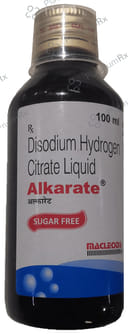
₹93
MRP ₹113.4
Disodium Hydrogen Citrate 1.14gm
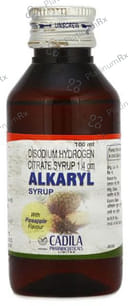
₹47.5
MRP ₹95.1
Disodium Hydrogen Citrate 1.14gm
₹39.8
MRP ₹79.7
Disodium Hydrogen Citrate 1.38gm
₹51.6
MRP ₹103.1
Disodium Hydrogen Citrate
₹41.4

Disodium Hydrogen Citrate
₹18.8
Disodium Hydrogen Citrate
₹58
Disodium Hydrogen Citrate
₹35.1
Disodium Hydrogen Citrate
₹49
Disodium Hydrogen Citrate
₹38.6
Disodium Hydrogen Citrate 1.25gm
₹18.5
Disodium Hydrogen Citrate 1.25gm
₹35
Disodium Hydrogen Citrate 1.25gm
₹59
Disodium Hydrogen Citrate 1.25gm
₹74.9
Disodium Hydrogen Citrate 1.25gm
₹75
Disodium Hydrogen Citrate 1.25gm
₹63.8
Disodium Hydrogen Citrate 1.14gm
₹89.1
Disodium Hydrogen Citrate 1.14gm
₹34.3