


More About Cinitapride + Pantoprazole
Quick Summary
Cinitapride + Pantoprazole is a prescription capsule that combines two drugs. Cinitapride (taken as cinitapride hydrogen tartrate) is a prokinetic, which means it helps the stomach empty and move food along. Pantoprazole (taken as pantoprazole sodium) is a proton pump inhibitor (PPI), which means it lowers the amount of acid the stomach makes. Doctors mainly prescribe Cinitapride + Pantoprazole for acid reflux (gastroesophageal reflux disease, or GERD) that comes with slow digestion. Slow digestion can cause early fullness, bloating, and heaviness after meals. One capsule lowers stomach acid and helps the stomach empty.
Detailed Description
Cinitapride + Pantoprazole brings together two medicines that work on the upper digestive tract in different ways.
The cinitapride part is a prokinetic. It works mainly by switching on serotonin type 4 (5-HT4) receptors in the gut wall, which helps the stomach empty faster. In studies of people with functional dyspepsia (ongoing indigestion with no clear cause), cinitapride eased fullness after meals, early fullness, and bloating. Doctors also use cinitapride alongside other treatment for acid reflux.
The pantoprazole part blocks the stomach's "proton pumps", the enzymes that make acid. This lowers both the steady background acid and the extra acid made around meals. On its own, pantoprazole is also used for other acid-related problems, such as stomach ulcers. Cinitapride + Pantoprazole itself is meant for reflux with slow digestion. It is not used for conditions like Zollinger-Ellison syndrome.
Main uses of Cinitapride + Pantoprazole:
- Acid reflux (GERD) with slow stomach emptying - lowers the acid that causes heartburn and helps food leave the stomach sooner.
- Reflux with indigestion-type symptoms - eases fullness after meals, early fullness, and bloating that come with reflux.
When reflux and slow stomach emptying happen together, food and acid stay in the stomach longer. This can make heartburn, burping, and fullness worse. Cinitapride + Pantoprazole lowers the acid and helps move stomach contents along.
Cinitapride + Pantoprazole should only be used under a doctor's care. Cinitapride can cause movement side effects called extrapyramidal symptoms in some people, and these are more likely with long-term use. Pantoprazole taken for a long time has been linked to low magnesium, low vitamin B12, weaker bones, and small growths in the stomach lining. Feeling better on a PPI also does not rule out a more serious stomach problem. That is why your doctor may want to see you again if symptoms come back soon after treatment ends.
Benefits of Cinitapride + Pantoprazole
- Treats two problems at once - The pantoprazole part lowers stomach acid, and the cinitapride part helps the stomach empty. This suits people whose reflux comes with bloating and fullness.
- Long-lasting acid control - Pantoprazole attaches firmly to the stomach's acid pumps, so its acid-lowering effect lasts more than 24 hours after a dose.
- Relief from fullness and bloating - In studies of people with indigestion, cinitapride eased fullness after meals, early fullness, and bloating.
- Faster stomach emptying - Cinitapride helps the stomach empty more quickly.
- Helps the food pipe heal - Lowering acid gives the food pipe (esophagus) a chance to heal from damage caused by reflux.
- Fewer pills - Having both medicines in one capsule can make daily treatment easier to stick with.
Side Effects of Cinitapride + Pantoprazole
Common Side Effects (Usually Mild)
These often settle as your body gets used to the medicine.
- Headache
- Nausea, vomiting, or diarrhoea
- Stomach pain or cramps
- Gas
- Joint pain
- Dizziness
- Sleepiness or drowsiness
Less often, some men have trouble getting or keeping an erection.
Serious Side Effects (Seek Urgent Medical Attention)
- Extrapyramidal symptoms (EPS): Cinitapride has a weak blocking effect on dopamine, a brain chemical that helps control movement. Because of this, it can cause extrapyramidal symptoms, a group of movement problems. These include shaking (tremor), stiffness, slow movements, restlessness, or movements you cannot control. When these look like Parkinson's disease, it is called drug-induced parkinsonism. This has been reported with long-term cinitapride use.
- Heart rhythm problems (rare): Some people taking cinitapride have had changes on a heart tracing (ECG), usually without any symptoms. Get urgent help if you notice a fast, pounding, or irregular heartbeat, fainting, or severe light-headedness.
- Severe skin reactions (such as Stevens-Johnson syndrome): These are rare but serious reactions that affect the skin and the lining of the mouth, eyes, and genitals. Signs include blistering, peeling, or bleeding skin, sores on the lips or mouth, fever, and swollen glands.
- Allergic reaction: Rash, hives, itching, swelling of the face, lips, tongue, or throat, and trouble breathing or swallowing.
- Kidney inflammation (acute tubulointerstitial nephritis): Passing much more or much less urine, blood in the urine, tiredness, fever, rash, or joint pain.
- Clostridioides difficile diarrhoea: A serious bowel infection. Signs include severe watery diarrhoea, stomach pain, or a fever that does not go away.
- Lupus-like reactions (the immune system attacking the skin or other parts of the body): A rash on the cheeks or arms that gets worse in sunlight, or new or worsening joint pain.
- Low magnesium: Muscle spasms, shaking, seizures, extreme tiredness, or an irregular heartbeat.
- Bone fractures and stomach polyps: These are linked to high doses of pantoprazole or to use for a year or longer.
Directions for Use
- Take Cinitapride + Pantoprazole exactly as your doctor prescribes. It is usually taken once a day before breakfast, at the time your doctor or the pack leaflet advises.
- Swallow the capsule whole with a glass of plain water. Do not crush, chew, or open it. The pantoprazole part has a special coating so that stomach acid does not break it down. The cinitapride part is released slowly through the day.
- Take it at the same time every day so the amount of medicine in your body stays steady.
- Keep the same routine with food every day.
- Keep taking Cinitapride + Pantoprazole for the full course, even if you feel better. Do not stop it or change the dose without talking to your doctor.
- Tell your doctor if your symptoms do not improve or get worse.
How it works
Cinitapride (prokinetic): Your gut uses chemical messengers to control how strongly it squeezes and moves food along. Cinitapride acts on these messengers in three ways:
- It mainly switches on 5-HT4 receptors. These are serotonin "switches" on the nerves in the gut wall. When they are switched on, the nerves release a messenger called acetylcholine. This makes the stomach and gut muscles squeeze in a more coordinated way.
- It blocks 5-HT2 receptors, another type of serotonin receptor in the gut.
- It has a weaker blocking effect on dopamine (D2) receptors. Dopamine normally acts like a brake on the gut, so blocking it also helps the stomach empty.
The dopamine-blocking effect is also why cinitapride can sometimes affect movement control in the brain.
Pantoprazole (proton pump inhibitor): Cells in the stomach lining pump acid into the stomach. The pump that does the last step is an enzyme called H+/K+ ATPase, often called the "proton pump". Pantoprazole is absorbed in an inactive form. It is switched on only inside these acid-making cells, where it binds permanently to the proton pump and stops it working. This lowers acid whatever the trigger, whether it is food or the steady background flow. Pantoprazole works best when taken before a meal, because that is when the pumps are active. It has a protective coating so stomach acid does not switch it on too early. The pump stays blocked until the body makes new ones, so the effect lasts more than 24 hours.
Working together: Pantoprazole makes the stomach contents less acidic, and cinitapride helps move them out of the stomach sooner. Less acid and faster emptying both help reduce heartburn, fullness, and bloating.
Safety Advice for Cinitapride + Pantoprazole

Pregnancy
Limited information
There is very little information on using cinitapride or pantoprazole in pregnancy, so Cinitapride + Pantoprazole is generally not used unless your doctor decides the benefit outweighs the risk. Tell your doctor if you are pregnant, planning a pregnancy, or become pregnant during treatment.

Breastfeeding
Limited information
Small amounts of pantoprazole pass into breast milk, and limited reports have not shown harm to babies. It is not known whether cinitapride passes into breast milk. Talk to your doctor before using Cinitapride + Pantoprazole while breastfeeding.

Alcohol
Limited information
Alcohol does not change how pantoprazole works, but it makes the stomach produce more acid and can make reflux worse. It may also make any drowsiness from the cinitapride part worse. Keep alcohol low or avoid it.

Driving
Limited information
Cinitapride + Pantoprazole can make some people dizzy or sleepy, or affect their vision. Do not drive or use machines if this happens to you.

Kidney
Limited information
Pantoprazole levels stay similar even in severe kidney disease. There is limited information on cinitapride in kidney disease, so your doctor may need to adjust or avoid this fixed-dose combination if you have kidney problems. Rarely, PPIs can cause kidney inflammation, so tell your doctor about any change in how much urine you pass.

Liver
Limited information
Both parts are processed by the liver. If you have severe liver disease, the fixed amount of pantoprazole in Cinitapride + Pantoprazole may be more than you need, and your doctor may choose separate medicines instead. Tell your doctor about any liver condition, and report any yellowing of the skin or eyes.

Children
Limited information
Cinitapride + Pantoprazole is not usually prescribed for children. Only use it in a child if a doctor specifically advises it.

Elderly patients
Limited information
Older adults usually take the same dose. They may be more likely to get movement side effects (shaking, stiffness, slow movements) from the cinitapride part, especially with long-term use. Long-term PPI use is linked to bone fractures. Your doctor may suggest a stomach check (endoscopy) if symptoms continue.
Quick Tips for Cinitapride + Pantoprazole
- Take Cinitapride + Pantoprazole before breakfast with plain water, as your doctor or the pack leaflet advises.
- Swallow the capsule whole. Never crush, chew, or open it.
- Tell your doctor straight away if you notice shaking, stiffness, slow movements, or movements you cannot control.
- Tell your doctor about every medicine you take, especially antifungals, HIV medicines, blood thinners, methotrexate, Parkinson's medicines, sleeping pills, and iron tablets.
- If you take Cinitapride + Pantoprazole for a long time, your doctor may check your magnesium and vitamin B12 levels.
- Before any blood or urine test, tell the doctor or lab that you take pantoprazole.
- If symptoms come back soon after you finish the course, see your doctor rather than restarting the medicine on your own.
- Do not share Cinitapride + Pantoprazole with anyone, even if their symptoms seem similar to yours.
Storage Advice
- Store at room temperature, below the temperature printed on the pack, in a cool, dry place.
- Keep it in its original pack, tightly closed, and protected from light, heat, and moisture. Do not keep it in the bathroom.
- Keep it out of sight and reach of children and pets.
- Do not flush unused medicine down the toilet. Ask your pharmacist about safe disposal.
Drug-Food Interaction
- Meals: Take Cinitapride + Pantoprazole before breakfast, as your doctor or the pack leaflet advises. Pantoprazole works best when taken before eating, and cinitapride was given before meals in studies.
- Rich, spicy, and fatty foods: These do not stop the medicine working, but they can make reflux and indigestion worse.
- Caffeine: Tea, coffee, cola, and energy drinks can make reflux worse. Cutting down may help.
- Alcohol: Alcohol increases stomach acid, irritates the stomach lining, and may add to drowsiness.
- Iron from food and supplements: Lower stomach acid can reduce how much iron you absorb.
- Grapefruit juice: Cinitapride is broken down by a liver enzyme (CYP3A4) that grapefruit can block. As a precaution, avoid large amounts of grapefruit juice unless your doctor says it is fine.
Interactions with Other Drugs
- Medicines that block CYP3A4 (such as ketoconazole and clarithromycin): Cinitapride is broken down by the liver enzymes CYP3A4 and CYP2C8. In one study, ketoconazole (an antifungal) about doubled cinitapride levels. The researchers did not consider this clinically important and saw no effect on heart rhythm. Still, tell your doctor if you take antifungals, some antibiotics (such as clarithromycin), or other medicines that affect these enzymes.
- Rilpivirine (HIV medicine): Do not use it with pantoprazole. Lower stomach acid reduces how much rilpivirine the body absorbs, which can stop it from working.
- Other HIV medicines (such as atazanavir, nelfinavir, and saquinavir): Pantoprazole can lower the levels of some of these medicines, making them less effective. It can raise the levels of others, such as saquinavir, which increases side effects.
- Warfarin (blood thinner): PPIs taken with warfarin can raise blood clotting test results (INR), which can lead to bleeding. Your doctor may check your INR more often.
- Methotrexate (mainly at high doses): PPIs can raise methotrexate levels and keep them high for longer, which can cause methotrexate side effects.
- Mycophenolate mofetil (transplant medicine): Pantoprazole can lower the amount of the active form of this medicine in the body.
- Medicines that need stomach acid to be absorbed: These include iron salts, ketoconazole, itraconazole, and erlotinib, dasatinib, and nilotinib (some cancer medicines). Pantoprazole can reduce how well they are absorbed.
- Clopidogrel: In studies, pantoprazole had no meaningful effect on clopidogrel, so no dose change is usually needed.
- Other medicines that block dopamine (such as metoclopramide or some antipsychotics): Cinitapride also blocks dopamine, so taking these together may raise the risk of movement side effects.
- Anticholinergic medicines (such as some bladder or stomach-cramp medicines) and opioid painkillers: These slow the gut and may reduce how well cinitapride works.
- Parkinson's medicines (such as levodopa): Cinitapride may work against them. Tell your doctor if you take any.
- Sleeping pills and sedatives: These may add to drowsiness.
- Lab tests: Pantoprazole can affect some blood and urine test results, including a blood test used to check for certain tumours and some urine drug screens. Tell the doctor or lab that you take it.
Drug-Disease Interactions
- Bleeding, blockage, or a tear in the stomach or gut: Do not take Cinitapride + Pantoprazole, because speeding up the gut can be harmful.
- Allergy: Do not take it if you have ever had an allergic reaction to cinitapride, pantoprazole, or similar acid-lowering medicines (such as omeprazole or lansoprazole).
- Parkinson's disease or movement disorders: Cinitapride has been linked to parkinsonism and tremor. Tell your doctor if you already have a movement problem.
- Heart rhythm problems: Heart tracing (ECG) changes, usually without symptoms, have been reported with cinitapride. Tell your doctor if you have a heart rhythm condition.
- Liver disease: Both parts are processed by the liver. With severe liver disease, the fixed amount of pantoprazole may be more than you need.
- Kidney disease: There is limited information on cinitapride in kidney disease, and PPIs can rarely cause kidney inflammation.
- Low magnesium, calcium, or potassium, or underactive parathyroid glands (hypoparathyroidism): Long-term PPI use can lower minerals in the blood.
- Weak bones (osteoporosis): PPIs are linked to a higher risk of hip, wrist, and spine fractures, especially at high doses or with use for a year or longer.
- Low vitamin B12: Daily PPI use over a long time can reduce vitamin B12 absorption.
- Lupus or other autoimmune diseases: PPIs can bring on or worsen lupus, mostly affecting the skin.
- Ongoing or returning stomach symptoms: Feeling better on pantoprazole does not rule out stomach cancer. Your doctor may arrange extra tests, especially in older adults.
Daily Dose
- The usual adult dose is 1 capsule once a day before breakfast, as your doctor prescribes.
- Do not take more than 1 capsule in 24 hours unless your doctor tells you to.
- Check the strength of each part on your pack. Your doctor will decide the right strength and how long you take it, based on your condition and how you respond.
- Do not change your dose, take it more often, or take it for longer than prescribed.
Overdose
- Taking too much Cinitapride + Pantoprazole can be harmful. Cases of cinitapride poisoning have been reported.
- Watch for unusual sleepiness, shaking, stiffness, abnormal movements, dizziness, or a fast or irregular heartbeat.
- If you think someone has taken too much, get emergency medical help straight away. Take the medicine pack with you.
- Do not drive yourself to the hospital. Ask someone to take you or call for an ambulance.
- Hospital treatment focuses on easing symptoms and supporting the body. Pantoprazole is not removed by dialysis (a machine that filters the blood).
What If You Forget to take Cinitapride + Pantoprazole?
- Take the missed dose as soon as you remember.
- If it is almost time for your next dose, skip the missed one and take the next dose at the usual time.
- Never take two doses at once to make up for a missed one.
- If you often forget doses, set a daily alarm or link the dose to a routine, such as getting up in the morning.
When to contact doctor
- Shaking, stiffness, slow movements, restlessness, or movements you cannot control
- Fast, pounding, or irregular heartbeat, fainting, or feeling very light-headed
- Blistering, peeling, or bleeding skin, or sores in the mouth, eyes, or genitals
- Swelling of the face, lips, tongue, or throat, or trouble breathing
- Severe watery diarrhoea, stomach pain, or a fever that does not go away
- Big changes in how much urine you pass, blood in your urine, or unusual tiredness
- Yellowing of the skin or eyes
- Muscle spasms, seizures, or shaking of a part of the body
- A rash on the cheeks or arms that gets worse in sunlight, or new joint pain
- Trouble swallowing, vomiting blood, black stools, or weight loss you cannot explain
- Symptoms that do not improve, or that come back soon after you stop treatment
References
Fact Box
Therapeutic Class
Gastrointestinal (anti-reflux and prokinetic combination)
Action Class
Cinitapride: prokinetic (5-HT4 agonist, 5-HT2 antagonist, weak D2 antagonist); Pantoprazole: proton pump inhibitor (H+/K+ ATPase inhibitor)
Chemical Class
Cinitapride: substituted benzamide; Pantoprazole: substituted benzimidazole
Habit Forming
No
Checkout Editorial Policy
Top Selling Medicines
Top Health Products
Top Selling Devices
Related Medications

Cinitapride 3mg + Pantoprazole 40mg
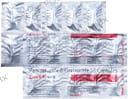
₹403.1
₹136
MRP ₹272
Cinitapride 3mg + Pantoprazole 40mg
₹159.4
₹136
MRP ₹272
Cinitapride 3mg + Pantoprazole 40mg
₹164.1
₹136
MRP ₹272
Cinitapride 3mg + Pantoprazole 40mg
₹187.5
₹136
MRP ₹272
Cinitapride 3mg + Pantoprazole 40mg
₹185.6
₹136
MRP ₹272
Cinitapride 3mg + Pantoprazole 40mg
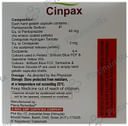
₹192.1
₹136
MRP ₹272
Cinitapride 3mg + Pantoprazole 40mg
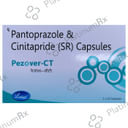
₹190
₹136
MRP ₹272
Cinitapride 3mg + Pantoprazole 40mg
₹445.9
₹136
MRP ₹272
Cinitapride 3mg + Pantoprazole 40mg
₹196.9
₹136
MRP ₹272
Cinitapride 3mg + Pantoprazole 40mg
₹136
MRP ₹272
Cinitapride 3mg + Pantoprazole 40mg
₹187.4
₹136
MRP ₹272
Cinitapride 3mg + Pantoprazole 40mg
₹186.6
₹136
MRP ₹272
Cinitapride 3mg + Pantoprazole 40mg
₹182.8
₹136
MRP ₹272
Cinitapride 3mg + Pantoprazole 40mg
₹160.7
₹136
MRP ₹272
Cinitapride 3mg + Pantoprazole 40mg
₹604.7
₹136
MRP ₹272
Cinitapride 3mg + Pantoprazole 40mg
₹259.5
₹136
MRP ₹272
Cinitapride 3mg + Pantoprazole 40mg
₹177.2
₹136
MRP ₹272
Cinitapride 3mg + Pantoprazole 40mg
₹290.6
₹136
MRP ₹272
Cinitapride 3mg + Pantoprazole 40mg
₹328.1
₹136
MRP ₹272
Cinitapride 3mg + Pantoprazole 40mg
₹224.1
₹136
MRP ₹272
Cinitapride 3mg + Pantoprazole 40mg
₹173.4
₹136
MRP ₹272
Cinitapride 3mg + Pantoprazole 40mg
₹84.4

Cinitapride 3mg + Pantoprazole 40mg
₹263.4
Cinitapride 3mg + Pantoprazole 40mg
₹180.9
Cinitapride 3mg + Pantoprazole 40mg
₹178.1