


More About Chlorbutol + Lidocaine (Lignocaine) + Paradichlorobenzene + Turpentine Oil
Quick Summary
Chlorbutol + Lidocaine (Lignocaine) + Paradichlorobenzene + Turpentine Oil is a combination ear medication containing Chlorbutol, Lidocaine (Lignocaine), Paradichlorobenzene, and Turpentine Oil. It is commonly used to manage earwax accumulation, ear pain, irritation, and minor ear infections. This combination helps soften hardened earwax, reduce pain and discomfort, and provide antiseptic action within the ear canal. It offers effective symptomatic relief and improves ear hygiene when used as directed by a healthcare professional.
Detailed Description
Chlorbutol + Lidocaine (Lignocaine) + Paradichlorobenzene + Turpentine Oil is a multi-component otic preparation formulated with Chlorbutol, Lidocaine (Lignocaine), Paradichlorobenzene, and Turpentine Oil. This combination medicine is primarily used for the symptomatic management of impacted earwax (cerumen), ear discomfort, irritation, and associated inflammatory conditions affecting the external ear canal.
Chlorbutol acts as a mild antiseptic and preservative agent. It helps inhibit microbial growth within the ear canal and reduces the risk of secondary infections associated with excessive earwax accumulation or irritation. Its soothing properties also help reduce local discomfort.
Lidocaine (Lignocaine) is a local anesthetic that temporarily blocks nerve signal conduction in the affected area. This produces a numbing effect, thereby relieving pain, itching, burning sensations, and irritation inside the ear canal. It provides rapid symptomatic relief and improves patient comfort.
Paradichlorobenzene acts as a cerumenolytic agent, helping soften and break down hardened earwax. This facilitates easier removal of accumulated wax and reduces blockage-related symptoms such as ear fullness, hearing difficulty, and discomfort.
Turpentine Oil provides lubricating and mild antiseptic effects. It helps soften earwax deposits and supports easier clearance of debris from the ear canal while reducing irritation.
This combination medicine provides comprehensive management of earwax-related problems by combining wax-softening, anesthetic, antiseptic, and soothing actions in a single formulation. It is generally intended for short-term use under medical supervision. Patients should avoid inserting sharp objects into the ear while using this medicine. They should seek medical attention if symptoms persist, worsen, or are associated with fever, discharge, or severe pain.
Uses of Chlorbutol + Lidocaine (Lignocaine) + Paradichlorobenzene + Turpentine Oil
- Helps soften and loosen hardened earwax (cerumen)
- Management of impacted earwax
- Relief from ear discomfort and irritation
- Reduces ear pain and itching
- Helps improve blocked ear sensation
- Supports the removal of excessive earwax
- Relief from minor inflammation in the external ear canal
- Helps reduce irritation caused by earwax buildup
- Provides symptomatic relief before ear cleaning procedures
- Helps maintain ear canal hygiene
- Used in mild otitis externa-associated discomfort
- Reduces fullness and pressure sensation in the ear
Benefits of Chlorbutol + Lidocaine (Lignocaine) + Paradichlorobenzene + Turpentine Oil
- Chlorbutol + Lidocaine (Lignocaine) + Paradichlorobenzene + Turpentine Oil provides effective relief from discomfort associated with impacted earwax and irritation inside the ear canal. The combination formulation works through multiple mechanisms to provide faster and more comprehensive symptomatic relief.
- Paradichlorobenzene and Turpentine Oil help soften and loosen hardened earwax deposits, making wax removal easier and reducing blockage-related symptoms such as fullness, muffled hearing, and pressure sensation.
- Lidocaine (Lignocaine) rapidly reduces pain, burning, itching, and irritation by producing a local anesthetic effect within the ear canal. This improves patient comfort, especially in painful inflammatory conditions.
- Chlorbutol provides mild antiseptic action, helping reduce microbial contamination and supporting ear hygiene during treatment.
- The combination reduces the need for mechanical ear cleaning in some cases and improves patient comfort during wax removal procedures. When used as directed, it provides convenient and targeted relief from common earwax-related symptoms.
Side Effects of Chlorbutol + Lidocaine (Lignocaine) + Paradichlorobenzene + Turpentine Oil
Common side effects:
- Mild burning or stinging sensation in the ear
- Temporary irritation inside the ear canal
- Mild itching after application
- Temporary numbness due to Lidocaine
- Mild discomfort during application
- Redness in the ear canal
- Mild dizziness shortly after use
- Temporary ear fullness sensation
- Mild unpleasant smell or taste sensation
Uncommon side effects:
- Increased ear irritation
- Excessive softening leading to ear discharge
- Mild allergic skin rash around the ear
- Temporary hearing disturbance
- Ear canal dryness
- Swelling or sensitivity of the ear canal
- Mild headache
- Nausea due to strong odor exposure
- Local inflammation after prolonged use
Serious side effects (seek immediate medical attention):
- Severe allergic reactions (swelling of face, lips, throat)
- Difficulty breathing or wheezing
- Severe ear pain or worsening symptoms
- Persistent dizziness or vertigo
- Severe redness or swelling of the ear
- Ear bleeding or discharge containing pus
- Signs of severe infection, such as fever or severe swelling
- Persistent hearing loss
- Severe irritation or burning sensation
If any side effects persist, worsen, or become severe, consult your doctor immediately.
Directions for Use
- Use Chlorbutol + Lidocaine (Lignocaine) + Paradichlorobenzene + Turpentine Oil exactly as prescribed by your doctor
- Wash your hands thoroughly before and after application
- Lie down or tilt your head sideways before instilling the drops
- Gently pull the outer ear upward and backward while applying the drops
- Instill the prescribed number of drops into the affected ear
- Keep the head tilted for a few minutes after application
- Avoid touching the dropper tip to the ear or any surface
- Do not insert cotton buds or sharp objects into the ear canal
- Use the medicine regularly for the prescribed duration
- Avoid overuse or prolonged use without medical advice
- In children, use only under adult supervision or medical guidance
- Do not use if the eardrum is perforated unless advised by a doctor
- Avoid contaminating the dropper tip
- Complete the full recommended course if prescribed for associated infection or inflammation
How it works
Chlorbutol + Lidocaine (Lignocaine) + Paradichlorobenzene + Turpentine Oil works through the combined action of four active ingredients that help soften earwax, relieve pain, reduce irritation, and support ear hygiene.
Chlorbutol acts as a mild antiseptic and preservative, helping inhibit microbial growth in the ear canal. This reduces the risk of secondary infections and helps maintain cleanliness in the affected area.
Lidocaine (Lignocaine) blocks sodium channels present in nerve cells, thereby preventing the transmission of pain signals from the ear canal to the brain. This produces a temporary numbing effect and provides rapid relief from pain, itching, and irritation.
Paradichlorobenzene acts as a cerumenolytic agent, softening and breaking down impacted earwax, making it easier to remove naturally or during ear-cleaning procedures.
Turpentine Oil helps lubricate and soften wax deposits while also providing mild antiseptic and soothing effects. Together, these ingredients provide comprehensive symptomatic relief in earwax-related conditions and minor ear irritation.
Safety Advice for Chlorbutol + Lidocaine (Lignocaine) + Paradichlorobenzene + Turpentine Oil

Allergy
Unsafe
Do not use in patients allergic to Lidocaine, Chlorbutol, Paradichlorobenzene, Turpentine Oil, or any formulation component. Severe allergic reactions may occur.

Breastfeeding
Limited information
Limited information and data are available regarding use during breastfeeding. Use only under medical supervision.

Pregnancy
Caution
Safety during pregnancy has not been fully established. Use only if clearly needed and prescribed by a healthcare professional.

Driving
Caution
Temporary dizziness or balance disturbance may occur after application. Avoid driving or operating machinery if affected.

Alcohol
Caution
No direct interaction is known, but excessive alcohol intake may worsen infections and delay healing.

Liver
Limited information
Systemic absorption is minimal during normal use, but caution is advised in severe liver disease if prolonged use is required.

Kidney
Limited information
No significant kidney-related issues are expected with topical use, though prolonged excessive use should be avoided.

Children
Caution
Use in children only under medical supervision to avoid improper administration or accidental overdose.

Elderly patients
Caution
Elderly patients may be more sensitive to dizziness or local irritation. Use carefully and follow medical advice.
Quick Tips for Chlorbutol + Lidocaine (Lignocaine) + Paradichlorobenzene + Turpentine Oil
- Do not insert cotton buds or sharp objects into the ear
- Use the medicine only for the prescribed duration
- Keep the dropper clean to prevent contamination
- Avoid sharing ear drops with others
- Consult a doctor if symptoms persist beyond a few days
- Avoid using in a perforated eardrum unless advised
- Keep ears dry during treatment
- Follow proper ear hygiene practices
- Inform your doctor about any ear surgery history
- Stop use and seek medical advice if severe irritation develops
Storage Advice
- Store below 25°C in a cool and dry place
- Protect from direct sunlight and excessive heat
- Keep the bottle tightly closed after use
- Keep away from moisture
- Keep out of reach of children
- Do not freeze the medicine
- Do not use after the expiry date
- Avoid contamination of the dropper tip
Drug-Food Interaction
Chlorbutol + Lidocaine (Lignocaine) + Paradichlorobenzene + Turpentine Oil is a topical ear preparation and generally has minimal food interactions when used as directed. Since systemic absorption is usually very low, dietary factors are unlikely to affect its action significantly. However, maintaining proper hygiene and avoiding irritants may help improve recovery and reduce ear discomfort.
Certain lifestyle factors may worsen irritation or delay healing in patients with underlying ear inflammation or infection. Smoking and excessive alcohol consumption may impair immune response and recovery in some individuals.
Key interactions include:
- Avoid excessive alcohol consumption during active ear infections
- Maintain good ear hygiene during treatment
- Avoid swimming or water exposure if advised by your doctor
- Avoid inserting foreign objects into the ear
- Maintain adequate hydration and general health during recovery
Interactions with Other Drugs
Chlorbutol + Lidocaine (Lignocaine) + Paradichlorobenzene + Turpentine Oil may interact with certain medicines if absorbed systemically or used excessively. Although significant interactions are uncommon during short-term topical use, caution should still be exercised in sensitive individuals or during prolonged use.
Important drug interactions include:
- Other local anesthetics – increased risk of Lidocaine toxicity
- Antiarrhythmic drugs – possible additive cardiac effects
- CNS depressants – may increase dizziness in sensitive individuals
- Otic medicines containing irritants – increased local irritation
- Aminoglycoside ear drops – caution in damaged ear tissue
- Anticoagulants – may increase irritation or bleeding risk in inflamed tissue
- Strong antiseptic ear preparations – may increase dryness or irritation
Drug-Disease Interactions
Patients with certain medical conditions should use Chlorbutol + Lidocaine (Lignocaine) + Paradichlorobenzene + Turpentine Oil cautiously, as some ingredients may worsen irritation or increase the risk of adverse effects. Lidocaine should be used carefully in individuals with severe cardiac disorders, while inflamed or damaged ear tissue may increase systemic absorption of active ingredients.
Use with caution in the following conditions:
- Perforated eardrum (tympanic membrane perforation)
- Severe ear infections
- Chronic otitis media
- Severe liver disease
- Cardiac arrhythmias or conduction disorders
- Hypersensitivity to local anesthetics
- Severe skin or ear canal inflammation
- History of recurrent ear surgery
- Neurological disorders associated with Lidocaine sensitivity
Daily Dose
Use Chlorbutol + Lidocaine (Lignocaine) + Paradichlorobenzene + Turpentine Oil exactly as prescribed by your doctor. The dosage and frequency depend on the severity of earwax buildup and ear discomfort, as well as the patient’s condition. Do not exceed the recommended number of drops or duration of use without medical advice. Prolonged excessive use may increase irritation or adverse effects.
Overdose
Overdose of Chlorbutol + Lidocaine (Lignocaine) + Paradichlorobenzene + Turpentine Oil is uncommon during normal topical use but may occur if large amounts are swallowed accidentally or used excessively. Symptoms may include severe dizziness, nausea, vomiting, ringing in the ears, excessive numbness, irregular heartbeat, breathing difficulty, or nervous system disturbances. Seek immediate medical attention if overdose is suspected.
What If You Forget to take Chlorbutol + Lidocaine (Lignocaine) + Paradichlorobenzene + Turpentine Oil?
If you miss an application of Chlorbutol + Lidocaine (Lignocaine) + Paradichlorobenzene + Turpentine Oil, use it as soon as you remember. However, if it is almost time for your next scheduled dose, skip the missed application and continue with your regular schedule. Do not use extra drops to make up for a missed dose, as excessive application may increase the risk of irritation or side effects.
Fact Box
Therapeutic Class
Otic analgesic & cerumenolytic preparation
Action Class
Antimicrobial preservative + Sodium channel blocker + Earwax softening agent + Lubricating agent
Chemical Class
Antiseptic + Local Anesthetic + Cerumenolytic + Essential Oil
Habit Forming
No
Checkout Editorial Policy
Top Selling Medicines
Top Health Products
Top Selling Devices
Related Medications

Chlorbutol 5% w/v + Lidocaine (Lignocaine) 2% w/v + Paradichlorobenzene 2.05% w/v + Turpentine Oil 15% w/v

₹31.4

Chlorbutol 5% w/v + Lidocaine (Lignocaine) 2% w/v + Paradichlorobenzene 2% w/v + Turpentine Oil 15% w/v
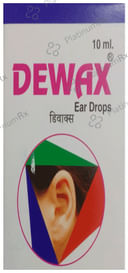
₹160.4
Chlorbutol 5% w/v + Lidocaine (Lignocaine) 2% w/v + Paradichlorobenzene 2% w/v + Turpentine Oil 15% w/v
₹56.3
Chlorbutol 5% w/v + Lidocaine (Lignocaine) 2% w/v + Paradichlorobenzene 2% w/v + Turpentine Oil 15% w/v
₹56.3