


More About Chloramphenicol + Hydroxypropylmethylcellulose
Quick Summary
Chloramphenicol + Hydroxypropylmethylcellulose (Chloramphenicol/hydroxypropylmethylcellulose ophthalmic) is an ophthalmic (eye) preparation used to treat and relieve bacterial eye infections and associated irritation. It contains chloramphenicol, an antibiotic that helps stop the growth of bacteria, and hydroxypropylmethylcellulose (HPMC), a lubricating agent that helps soothe dryness and discomfort by keeping the eye surface moist. It is commonly used for conditions such as bacterial conjunctivitis and minor eye infections, as prescribed by a healthcare professional.
Detailed Description
Chloramphenicol + Hydroxypropylmethylcellulose is an ophthalmic preparation containing Chloramphenicol and Hydroxypropylmethylcellulose. It is used to treat bacterial eye infections while helping relieve associated irritation and dryness of the eyes.
Chloramphenicol is an antibiotic that works by stopping the growth of bacteria responsible for the infection. This helps control the infection and supports recovery of the affected eye. Hydroxypropylmethylcellulose is a lubricating agent that helps keep the surface of the eye moist and comfortable. It may help reduce symptoms such as dryness, burning, irritation, or a gritty sensation that can occur during eye infections. This combination is commonly used in conditions such as bacterial conjunctivitis and other superficial bacterial eye infections, as advised by a healthcare professional.
The medicine acts mainly at the site of application in the eye. Some people may experience mild temporary effects such as slight stinging, irritation, or blurred vision immediately after use.
It should be used exactly as prescribed and for the full recommended duration, even if symptoms begin to improve earlier. Stopping treatment too soon may allow the infection to return or not clear completely.
Uses of Chloramphenicol + Hydroxypropylmethylcellulose
Chloramphenicol + Hydroxypropylmethylcellulose may be indicated by your doctor for:
Bacterial Conjunctivitis
Treatment of redness, itching, and discharge caused by susceptible bacteria.
Blepharitis
Management of bacterial infection or inflammation of the eyelids.
Keratitis
Inflammation of the cornea when a bacterial cause is identified.
Superficial Eye Infections
General management of external eye infections.
Benefits of Chloramphenicol + Hydroxypropylmethylcellulose
Chloramphenicol + Hydroxypropylmethylcellulose may provide benefits such as:
- Broad-Spectrum Action: Effective against a wide range of gram-positive and gram-negative bacteria.
- Dual-Action Relief: Simultaneously treats the underlying infection and the symptoms of ocular dryness.
- Improved Eye Comfort: The HPMC component provides a soothing film over the eye, reducing the scratchy feeling.
- Enhanced Drug Contact: Increased viscosity ensures the antibiotic remains on the eye surface longer for better efficacy.
- Prevention of Complications: Rapidly reduces bacterial load to prevent deeper ocular tissue damage.
Side Effects of Chloramphenicol + Hydroxypropylmethylcellulose
Common side effects of Chloramphenicol + Hydroxypropylmethylcellulose may include:
- Temporary stinging or burning upon application
- Mild eye irritation
- Blurred vision (usually brief and due to the thickness of the drop)
Uncommon side effects of Chloramphenicol + Hydroxypropylmethylcellulose may include:
- Skin rash or itching around the eyelids
- Altered sense of taste (bitter taste)
Serious side effects that require immediate medical attention:
- Swelling of the face, lips, or eyelids; difficulty breathing.
- Very rare bone marrow suppression (signs include unusual bruising, persistent sore throat, or extreme tiredness).
- Development of a fungal infection if used for excessively long periods.
It’s important to consult your doctor if you notice any unusual symptoms while taking Chloramphenicol + Hydroxypropylmethylcellulose.
Directions for Use
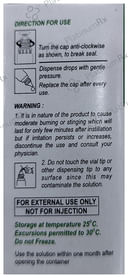
- Wash your hands thoroughly before using the drops.
- Tilt your head back and gently pull down your lower eyelid to make a small pocket.
- Hold the dropper above the eye and squeeze out one drop into the pocket. Do not touch the dropper tip to the eye or any surface.
- Close your eye gently and press your finger against the corner of your eye (near the nose) for 1–2 minutes. This helps the medicine stay in the eye and reduces absorption into the body.
- Wipe away any excess liquid with a clean tissue.
- Replace the cap tightly after use. If you are using other eye drops, wait at least 5–10 minutes between medicines.
How it works
Chloramphenicol is a bacteriostatic antibiotic that works by binding to the 50S subunit of the bacterial ribosome, which inhibits protein synthesis and prevents the bacteria from multiplying. Hydroxypropylmethylcellulose is a lubricant that stabilizes the tear film and increases the contact time of the antibiotic on the ocular surface by increasing the viscosity of the solution.
Safety Advice for Chloramphenicol + Hydroxypropylmethylcellulose

Allergy
Unsafe
Do not use if you are allergic to chloramphenicol, hydroxypropylmethylcellulose, or any other ingredient in the drops. Stop immediately and seek medical help if you develop a rash, swelling, or breathing problems.

Breastfeeding
Caution
Chloramphenicol may pass into breast milk and could affect infants. Use only if clearly needed and under medical supervision.

Pregnancy
Caution
Limited safety data. Use only if your doctor decides the benefits outweigh the risks.

Driving
Caution
The drops may cause temporary blurred vision or eye irritation. Do not drive until your vision is clear.

Alcohol
Safe
No known interaction with alcohol.

Liver
Caution
Chloramphenicol is metabolized in the liver. Use with caution if you have liver disease and only under medical advice.

Kidney
Limited information
No specific data available. Use with caution if you have kidney problems.

Children
Caution
Chloramphenicol eye drops should be used carefully in infants and young children. Only under specialist advice.

Elderly patients
Safe
Generally well tolerated, but monitor for increased sensitivity to side effects.
Quick Tips for Chloramphenicol + Hydroxypropylmethylcellulose
- Do not stop using the drops until the full course is finished, even if symptoms disappear after 2 days.
- Avoid wearing contact lenses until the infection is completely cleared and for at least 24 hours after your last dose.
- Do not share your eye drops with anyone else to avoid spreading the infection.
- Throw away the bottle 30 days after first opening, or as directed by the manufacturer, even if there is liquid left.
Storage Advice
- Store the eye drops in a cool, dry place at room temperature, away from direct sunlight and heat.
- Do not use the drops beyond the expiry date or for longer than the period recommended after opening, as eye preparations can become contaminated over time.
- Keep it out of reach of children.
Drug-Food Interaction
- General Diet (Safe): No specific foods are known to interact with these eye drops.
Interactions with Other Drugs
- Other Eye Medications (Caution): Wait at least 5–10 minutes between different drops to ensure Chloramphenicol + Hydroxypropylmethylcellulose is not washed out.
- Bone Marrow Suppressants (Caution): While absorption is low, tell your doctor if you take oral medications that affect blood cell counts.
Drug-Disease Interactions
- Bone Marrow Disorders (Unsafe): Do not use if you have a history of blood dyscrasias, such as aplastic anemia.
- Viral/Fungal Infections (Unsafe): This medication will not treat infections caused by viruses or fungi.
- Family History of Blood Disorders (Caution): Inform your doctor if any close relatives have had bone marrow problems.
What If You Forget to take Chloramphenicol + Hydroxypropylmethylcellulose?
If you miss a dose, apply it as soon as you remember. If it is almost time for your next dose, skip the missed one. Do not use extra drops to make up for a missed dose.
References
Fact Box
Therapeutic Class
Ophthalmology
Action Class
Antibacterial / Ocular Lubricant
Chemical Class
Antibiotic + Cellulose Polymer
Habit Forming
No
Checkout Editorial Policy
Top Selling Medicines
Top Health Products
Top Selling Devices
Related Medications

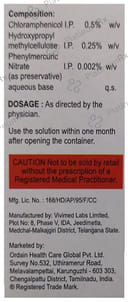
Chloramphenicol 0.5% w/v + Hydroxypropylmethylcellulose 0.25% w/v
₹16.9

Chloramphenicol 0.5% w/v + Hydroxypropylmethylcellulose 0.25% w/v
₹13.1
Chloramphenicol 0.5% w/v + Hydroxypropylmethylcellulose 0.25% w/v
₹16.9
Chloramphenicol 0.5% w/v + Hydroxypropylmethylcellulose 0.25% w/v
₹40
Chloramphenicol 0.5% w/v + Hydroxypropylmethylcellulose 0.25% w/v
₹16.9
Chloramphenicol 0.5% w/v + Hydroxypropylmethylcellulose 0.25% w/v
₹90