More About Cefixime + Ofloxacin
Quick Summary
Cefixime + Ofloxacin is an oral fixed-dose combination antibiotic containing two active antibacterial medicines: cefixime and ofloxacin. Cefixime belongs to the third-generation cephalosporin class, while ofloxacin is a broad-spectrum fluoroquinolone. Together, they provide broad antimicrobial coverage against a wide variety of Gram-positive and Gram-negative bacteria. Doctors commonly prescribe Cefixime + Ofloxacin to treat complicated or resistant bacterial infections, including enteric fever (typhoid fever), urinary tract infections, and respiratory tract infections like bronchitis and pneumonia. This combination works through two distinct actions to stop bacterial survival and multiplication, helping clear persistent infections under medical supervision.
Detailed Description
Cefixime + Ofloxacin combines two potent antibacterial agents to treat moderate to severe bacterial infections in adults and adolescents. Bacterial resistance is a growing clinical challenge, particularly in conditions like enteric fever (typhoid fever caused by Salmonella typhi) and complicated urinary tract infections. By bringing together cefixime and ofloxacin, Cefixime + Ofloxacin delivers dual-action coverage that attacks bacterial pathogens through two separate biochemical targets.
Cefixime targets the bacterial cell wall. It prevents bacteria from constructing their protective outer layer, causing the cells to burst and die. Ofloxacin enters bacterial cells and inhibits essential enzymes needed for bacterial DNA replication and repair. This dual attack reduces the chance that bacteria survive or quickly develop resistance to treatment.
Doctors prescribe Cefixime + Ofloxacin for a range of systemic bacterial illnesses. Key indications include typhoid and paratyphoid fever (severe intestinal fever), acute exacerbations of chronic bronchitis (sudden flare-ups of long-term lung airway inflammation), community-acquired pneumonia (lung infection caught outside a hospital), acute pyelonephritis (kidney infection), and complicated cystitis (severe urinary bladder infection). Because each component acts against different bacterial structures, the combination provides broad coverage against pathogens that might show reduced susceptibility to single-agent therapy.
This oral formulation offers the convenience of outpatient treatment for infections that previously required hospital-based injectable antibiotics. However, Cefixime + Ofloxacin must always be used with strict adherence to medical guidance. Fluoroquinolones like ofloxacin carry specific precautions regarding tendon, joint, and nerve health. Cephalosporins like cefixime require careful monitoring in patients with a history of penicillin allergies. Patients must complete the full prescribed duration of Cefixime + Ofloxacin even if symptoms resolve early, as premature discontinuation can lead to relapse and fuel antimicrobial resistance.
Benefits of Cefixime + Ofloxacin
- Dual-action bacterial eradication: Combining a cell wall synthesis blocker with a bacterial DNA inhibitor produces synergistic killing power against stubborn pathogens.
- Effective treatment for typhoid fever: Highly reliable against multidrug-resistant Salmonella strains that cause enteric fever, reducing fever duration and clinical failure rates.
- Broad-spectrum antimicrobial coverage: Acts against a wide variety of Gram-negative and Gram-positive bacteria responsible for respiratory, urinary, and abdominal infections.
- Convenient oral administration: Provides potent systemic antibiotic coverage in tablet form, helping avoid unnecessary hospital visits or intravenous therapy.
- Reduced risk of rapid bacterial resistance: Attacking bacteria at two distinct physiological sites makes it far harder for surviving bacterial strains to develop resistance.
- Accelerated clinical relief: Rapid bactericidal action helps lower body temperature, clear bacterial load, and relieve infection symptoms quickly.
Side Effects of Cefixime + Ofloxacin
Common Side Effects
- Nausea and mild stomach discomfort
- Diarrhea or loose stools
- Loss of appetite
- Headache
- Dizziness or lightheadedness
- Indigestion, gas, or abdominal cramps
- Mild skin itching or temporary rash
Serious Side Effects
- Severe, watery, or bloody diarrhea accompanied by stomach cramps and fever, which may indicate Clostridioides difficile-associated diarrhea (pseudomembranous colitis)
- Sudden pain, swelling, tenderness, or inflammation in your joints or tendons, signaling tendinitis and tendon rupture (most commonly affecting the Achilles tendon)
- Burning pain, numbness, tingling, or weakness in your hands or feet, indicating peripheral neuropathy
- Irregular heart rhythm, rapid palpitations, or fainting spells, which may indicate QT prolongation
- Severe widespread skin rash, blistering, or peeling around the lips, eyes, and mouth, indicating Stevens-Johnson syndrome or toxic epidermal necrolysis
- Sudden wheezing, facial swelling, throat tightness, or trouble breathing, indicating a severe allergic reaction (anaphylaxis)
- Tremors, restlessness, confusion, hallucinations, or seizures
- Yellowing of the eyes or skin (jaundice) and dark urine, pointing to liver inflammation
Directions for Use
Take Cefixime + Ofloxacin exactly as directed by your treating physician. Swallow the tablet whole with a full glass of plain water. Do not crush, chew, break, or dissolve the tablet, as this can alter how the medicine enters your body and irritate your digestive tract.
You can take Cefixime + Ofloxacin with or without food. Taking it with food or right after a meal can help reduce stomach upset and nausea. Maintain a consistent daily routine by taking your doses at evenly spaced intervals, such as every 12 hours for a twice-daily prescription. This keeps a steady level of medicine in your bloodstream.
Avoid taking Cefixime + Ofloxacin at the same time as antacids, iron supplements, calcium-rich dairy products, or multivitamins containing zinc, because these bind to ofloxacin and prevent proper absorption. Separate these items by at least 2 hours before or 2 hours after your dose. Drink plenty of water throughout the day to stay well hydrated and protect your kidneys. Always complete the full course prescribed by your doctor, even if you feel completely recovered after a few days.
How it works
Cefixime + Ofloxacin contains two distinct bactericidal medicines that fight infection through complementary pathways:
Cefixime is an advanced third-generation cephalosporin antibiotic. Bacteria rely on a strong outer shell called the peptidoglycan cell wall to maintain their shape and survive internal pressure. Cefixime binds to specific target proteins called penicillin-binding proteins (PBPs) located inside the bacterial cell wall. By inhibiting these enzymes, cefixime blocks the final cross-linking step of cell wall synthesis. Without an intact wall, the bacterial structure weakens, takes in excess fluid, and bursts (cell lysis), leading to rapid bacterial death. Cefixime remains highly stable against destruction by many bacterial beta-lactamase enzymes.
Ofloxacin is a synthetic fluoroquinolone antibiotic. Bacteria must copy and package their genetic material (DNA) to survive and multiply. Ofloxacin targets and blocks two vital bacterial enzymes: DNA gyrase (topoisomerase II) and topoisomerase IV. DNA gyrase is responsible for introducing negative supercoils into bacterial DNA so it can unwind properly during replication. Topoisomerase IV helps separate newly copied DNA strands. By blocking both enzymes, ofloxacin causes double-stranded DNA breaks and arrests bacterial cell division, rapidly killing the organism.
Together in Cefixime + Ofloxacin, these two mechanisms create a dual attack. While cefixime disrupts the bacterial outer boundary, ofloxacin shuts down the core internal genetic machinery, ensuring thorough elimination of susceptible bacterial populations.
Safety Advice for Cefixime + Ofloxacin

Pregnancy
Limited information
Cefixime + Ofloxacin is not recommended during pregnancy. Fluoroquinolones like ofloxacin have been linked to potential cartilage damage in developing fetal joints. Women of childbearing potential should use an effective method of non-hormonal or reliable contraception throughout the treatment course. If you suspect you are pregnant, notify your doctor immediately.

Breastfeeding
Limited information
Both cefixime and ofloxacin pass into human breast milk in small amounts. They may alter the infant's gut flora, causing diarrhea or fungal infections, and carry theoretical risks to joint development. Breastfeeding should generally be paused during treatment, or your doctor may prescribe an alternative antibiotic.

Alcohol
Limited information
Avoid alcohol while taking Cefixime + Ofloxacin. Alcohol can intensify central nervous system side effects such as dizziness, lightheadedness, and drowsiness, and can worsen stomach irritation and dehydration.

Driving
Limited information
Cefixime + Ofloxacin can cause dizziness, sleepiness, visual disturbances, and impaired coordination. Do not drive, ride a motorcycle, or operate heavy machinery until you know how this medicine affects you.

Kidney
Limited information
Both components are eliminated significantly through the kidneys. Patients with moderate to severe renal impairment require doctor-supervised dosage adjustments and regular monitoring of kidney function.

Liver
Limited information
Use with caution in patients with severe hepatic impairment. Although ofloxacin undergoes limited liver metabolism, regular monitoring of liver function tests is advised during treatment.

Children
Limited information
Cefixime + Ofloxacin is generally not recommended for young children and growing adolescents unless specifically directed by a specialist, due to the risk of joint cartilage damage associated with fluoroquinolones.

Elderly patients
Limited information
Elderly individuals face a higher risk of tendon disorders (including Achilles tendon rupture), kidney strain, and heart rhythm changes (QT prolongation). Dose adjustments based on kidney clearance and close monitoring are recommended.
Quick Tips for Cefixime + Ofloxacin
- Swallow your tablet whole with a tall glass of plain water at the same scheduled times every day.
- Take your dose with meals or right after eating if you experience nausea or an upset stomach.
- Space out antacids, iron capsules, and calcium-rich dairy foods by at least 2 hours before or after your medicine.
- Drink plenty of water throughout the day to support kidney function and stay properly hydrated.
- Apply sunscreen and wear protective clothing when stepping outside, as your skin may burn more easily in the sun.
- Rest your joints and stop physical exercise if you notice sudden heel, ankle, or tendon pain.
- Finish the entire prescription as directed by your doctor, even if your fever disappears and you feel healthy.
Storage Advice
Store Cefixime + Ofloxacin at room temperature between 20°C and 25°C (68°F to 77°F). Brief excursions are permitted between 15°C and 30°C (59°F and 86°F). Keep the tablets in their original moisture-resistant blister pack to shield them from light and moisture. Do not store this medicine in bathroom cabinets or near kitchen sinks where heat and humidity are high. Keep out of reach and out of sight of children and household pets. Safely discard any expired or leftover tablets according to local pharmacy disposal guidelines.
Drug-Food Interaction
- Dairy products and calcium-fortified foods: Milk, cheese, yogurt, and fortified juices contain calcium ions that bind directly to ofloxacin in the digestive tract, forming insoluble complexes that drastically cut antibiotic absorption. Consume dairy at least 2 hours before or after taking Cefixime + Ofloxacin.
- Caffeinated beverages: Ofloxacin slows down the body's breakdown of caffeine found in coffee, tea, cola, and energy drinks. This can cause caffeine to build up, leading to nervousness, tremors, rapid heartbeat, and insomnia.
- Alcohol: Combining alcohol with Cefixime + Ofloxacin increases dizziness, drowsiness, and nausea, and increases the risk of dehydration during an active infection.
Interactions with Other Drugs
- Antacids containing aluminum or magnesium: Antacids bind to ofloxacin and block its absorption. Take antacids at least 2 hours before or 2 hours after your dose.
- Iron and zinc supplements: Multivalent mineral supplements form unabsorbable chelates with ofloxacin, greatly lowering antibiotic efficacy. Separate intake by at least 2 hours.
- Blood thinners (Warfarin and other oral anticoagulants): Cefixime + Ofloxacin can intensify the anticoagulant effect of warfarin, increasing bleeding risk. International Normalized Ratio (INR, a standard blood test to check how quickly your blood clots) monitoring is necessary.
- Non-steroidal anti-inflammatory drugs (NSAIDs like ibuprofen, diclofenac, naproxen): Taking NSAIDs together with ofloxacin increases the risk of central nervous system stimulation and seizures.
- Antiarrhythmic medications (Amiodarone, sotalol, quinidine): Combining these with ofloxacin raises the danger of abnormal heart rhythms and QT prolongation.
- Theophylline: Ofloxacin can elevate blood levels of theophylline, leading to nausea, heart palpitations, and convulsions.
- Oral diabetes medications (Sulfonylureas like glimepiride or glipizide): Fluoroquinolones can cause severe shifts in blood glucose, leading to dangerous hypoglycemia (dangerously low blood sugar levels). Regular blood sugar checks are advised.
- Probenecid: Probenecid decreases renal tubular clearance of cefixime, leading to higher and prolonged blood levels of the antibiotic.
- Corticosteroids (Prednisolone, dexamethasone): Co-administration with ofloxacin substantially increases the risk of severe tendinitis and tendon rupture, especially in older adults.
Drug-Disease Interactions
- Myasthenia gravis: Fluoroquinolones like ofloxacin can worsen muscle weakness and cause life-threatening breathing problems. Cefixime + Ofloxacin is strictly avoided in patients with a history of myasthenia gravis.
- Pre-existing tendon disorders: Patients with a history of tendinitis or tendon rupture should not take ofloxacin, as it can cause recurrent or worsening tendon damage.
- Kidney disease: Impaired renal clearance causes drug accumulation, increasing toxicity risks. Dosage adjustments are mandatory in moderate to severe renal impairment.
- Seizure disorders and epilepsy: Ofloxacin lowers the seizure threshold. Patients with known central nervous system conditions or epilepsy must exercise extreme caution.
- Heart rhythm disorders (Long QT syndrome or hypokalemia - low blood potassium levels): Ofloxacin can prolong the QT interval (the time taken for heart muscle cells to recharge between beats), posing serious risks of ventricular arrhythmias (dangerous rapid or abnormal rhythms in the lower heart chambers) in susceptible individuals.
- Gastrointestinal disease (Colitis): Patients with a history of ulcerative colitis or antibiotic-associated colitis face an elevated risk of severe Clostridioides difficile flare-ups.
- Penicillin or cephalosporin hypersensitivity: Patients with severe allergic reactions to penicillin antibiotics may experience cross-reactivity with cefixime.
- Aortic aneurysm or vascular disease: Fluoroquinolones may increase the risk of aortic wall tears or rupture in individuals with existing aneurysms or high blood pressure.
Daily Dose
The standard adult dose of Cefixime + Ofloxacin is usually one tablet (typically containing cefixime 200 mg and ofloxacin 200 mg) taken orally twice daily, approximately every 12 hours. The exact dosage, dosing frequency, and total length of treatment depend on the type of infection, severity, and the patient's kidney function.
For uncomplicated infections or enteric fever, doctors usually prescribe a course lasting 7 to 14 days. The maximum dosing frequency should not exceed two tablets in a 24-hour period unless explicitly instructed by a qualified doctor. Never adjust your dose, skip doses, or prolong therapy on your own initiative. Always adhere strictly to the prescription issued by your doctor.
Overdose
Taking an accidental overdose of Cefixime + Ofloxacin can produce acute toxicity. Symptoms may include severe dizziness, nausea, vomiting, stomach pain, confusion, disorientation, tremors, and in severe cases, seizures, loss of consciousness, or irregular heart rhythms.
If an overdose is suspected, seek emergency medical care immediately at the nearest hospital. There is no specific antidote for Cefixime + Ofloxacin. Treatment consists of supportive care, including gastric lavage or activated charcoal if administered soon after ingestion, maintaining hydration, continuous cardiac monitoring (including ECG for QT prolongation), and symptom-directed medical interventions. Hemodialysis removes only limited amounts of cefixime and ofloxacin from circulation.
What If You Forget to take Cefixime + Ofloxacin?
If you miss a dose of Cefixime + Ofloxacin, take it as soon as you remember. However, if it is almost time for your next scheduled dose, skip the missed tablet completely and return to your regular dosing schedule.
Never take two tablets at the same time or take extra medicine to make up for a forgotten dose. Doubling up increases the danger of gastrointestinal and central nervous system side effects. If you frequently forget doses, setting a phone reminder can help keep your treatment on track.
When to contact doctor
Contact your doctor or seek urgent emergency medical attention if you experience:
- Sudden swelling of the lips, tongue, face, or throat, or difficulty breathing (signs of a severe allergic reaction)
- Severe blistering, peeling, or widespread rash across your skin, mouth, or eyes
- Sudden pain, popping sensation, swelling, or tenderness in your heel, ankle, knee, or wrist
- Persistent, watery, or bloody diarrhea with severe abdominal cramps and fever
- Tingling, burning, numbness, or muscle weakness in your hands, arms, legs, or feet
- Racing heartbeat, chest fluttering, dizziness, or sudden fainting episodes
- New or worsening tremors, severe confusion, anxiety, depression, or seizures
- Yellow discoloration of your skin or eyes, severe fatigue, or dark brown urine
References
Fact Box
Therapeutic Class
Antibacterial / Anti-infective
Action Class
Bacterial Cell Wall Synthesis Inhibitor and DNA Gyrase (Topoisomerase) Inhibitor
Chemical Class
Cephalosporin (Third-Generation) and Fluoroquinolone Combination
Habit Forming
No
Checkout Editorial Policy
Top Selling Medicines
Top Health Products
Top Selling Devices
Related Medications

Cefixime 400mg + Ofloxacin 400mg
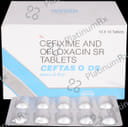
₹334.6
MRP ₹408
Cefixime 200mg + Ofloxacin 200mg
₹178
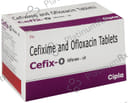
₹151
MRP ₹302
Cefixime 200mg + Ofloxacin 200mg
₹103
₹151
MRP ₹302
Cefixime 200mg + Ofloxacin 200mg
₹103
₹151
MRP ₹302
Cefixime 200mg + Ofloxacin 200mg
₹160
₹151
MRP ₹302
Cefixime 200mg + Ofloxacin 200mg
₹180
₹151
MRP ₹302
Cefixime 50mg + Ofloxacin 50mg
₹95
₹89.5
MRP ₹179
Cefixime 50mg + Ofloxacin 50mg
₹55
₹89.5
MRP ₹179
Cefixime 200mg + Ofloxacin 200mg
₹180
₹151
MRP ₹302
Cefixime 200mg + Ofloxacin 200mg
₹250
₹151
MRP ₹302
Cefixime 200mg + Ofloxacin 200mg
₹199.9
₹151
MRP ₹302
Cefixime 200mg + Ofloxacin 200mg
₹140
₹151
MRP ₹302
Cefixime 50mg + Ofloxacin 50mg
₹95
₹89.5
MRP ₹179
Cefixime 200mg + Ofloxacin 200mg
₹195
₹151
MRP ₹302
Cefixime 200mg + Ofloxacin 200mg
₹180
₹151
MRP ₹302
Cefixime 200mg + Ofloxacin 200mg
₹185.6
₹151
MRP ₹302
Cefixime 50mg + Ofloxacin 50mg
₹115
₹89.5
MRP ₹179
Cefixime 200mg + Ofloxacin 200mg
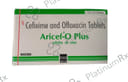
₹334.6
₹151
MRP ₹302
Cefixime 200mg + Ofloxacin 200mg
₹125
₹151
MRP ₹302
Cefixime 200mg + Ofloxacin 200mg
₹195
₹151
MRP ₹302
Cefixime 200mg + Ofloxacin 200mg
₹210
₹151
MRP ₹302
Cefixime 200mg + Ofloxacin 200mg
₹175
₹151
MRP ₹302
Cefixime 200mg + Ofloxacin 200mg
₹195
₹151
MRP ₹302
Cefixime 50mg + Ofloxacin 50mg
₹85
₹89.5
MRP ₹179
Cefixime NA + Ofloxacin NA
₹108