More About Carvedilol
Quick Summary
Carvedilol (Carvedilol) is a non-selective beta-blocker with additional alpha-1 blocking and antioxidant properties. It is commonly prescribed for the long-term management of cardiovascular conditions such as high blood pressure (hypertension) and chronic heart failure. It is also used to support heart function following a heart attack. By relaxing the blood vessels and modulating the heart rate, Carvedilol helps the heart pump blood more efficiently and reduces the overall workload on the cardiovascular system. It is available in various oral formulations to support consistent maintenance therapy.
Detailed Description
Carvedilol (Carvedilol) is a non‑selective beta‑adrenergic blocker with additional alpha‑blocking properties. This dual mechanism lowers blood pressure, slows heart rate, and reduces the workload on the heart. By blocking beta receptors, Carvedilol limits the effects of adrenaline and other stress hormones that normally increase heart rate and contractility. By blocking alpha receptors, it relaxes blood vessels, allowing blood to flow more easily and reducing vascular resistance.
In patients with hypertension, Carvedilol helps control blood pressure and lowers the risk of complications such as stroke, kidney damage, and cardiovascular disease. In chronic heart failure, it improves cardiac function over time, reduces hospital admissions, and increases survival. Following a heart attack, Carvedilol protects the heart muscle, reduces the chance of further cardiac events, and supports long‑term recovery.
Because of its combined beta‑ and alpha‑blocking properties, Carvedilol provides broader cardiovascular protection compared to traditional beta‑blockers. It is administered orally in tablet or capsule form, with dosing usually increased gradually under medical supervision to minimise side effects such as dizziness, fatigue, or low blood pressure.
Treatment with Carvedilol should always be guided by a physician. It is not intended for immediate relief of chest pain or acute heart failure episodes. Abrupt discontinuation is discouraged, as it may worsen cardiac symptoms or increase the risk of adverse events.
Uses of Carvedilol
Carvedilol may be indicated by your doctor for:
Hypertension
For the management of high blood pressure, used either alone or in combination with other antihypertensive agents.
Chronic Heart Failure
To help maintain clinical stability and support heart function in stable patients.
Left Ventricular Dysfunction Post-Heart Attack
To support heart recovery and long-term health in patients with reduced heart function following a cardiac event.
Benefits of Carvedilol
Carvedilol may provide benefits such as:
- Target both heart rate and blood vessel resistance through its unique multi-receptor blockade (Beta-1, Beta-2, and Alpha-1).
- Improve the heart's pumping efficiency, which may lead to better exercise tolerance and improved quality of life.
- Help maintain clinical stability and reduce the need for acute medical care in heart failure patients.
- Provide antioxidant protection to cardiac tissues, supporting the long-term health of the heart muscle.
- Effectively lower systemic blood pressure, supporting the prevention of long-term cardiovascular complications.
- Offer a stable maintenance therapy for chronic cardiovascular conditions when used consistently.
Side Effects of Carvedilol
Carvedilol may cause side effects in some people, although many tolerate it well as the body adjusts to the medicine.
Common side effects of Carvedilol may include
- Dizziness or lightheadedness, especially when changing positions
- Fatigue or unusual tiredness
- Slower heart rate (bradycardia)
- Weight gain or fluid retention
- Diarrhea
- Dry eyes (relevant for contact lens wearers)
Uncommon side effects of Carvedilol may include
- Nausea or mild stomach discomfort
- Numbness or tingling in the hands or feet
- Shortness of breath during physical activity
- Sleep disturbances or vivid dreams
Serious side effects that may require immediate medical attention include
- Signs of heart function changes: Significant shortness of breath or sudden swelling of the ankles and legs.
- Severe Bradycardia: Fainting or an excessively slow/irregular pulse.
- Hypersensitivity: Rash, hives, or swelling of the face, tongue, and throat.
- Bronchospasm: Sudden wheezing or breathing difficulty, particularly in those with a history of respiratory issues.
Directions for Use
You must use Carvedilol exactly as prescribed by your doctor.
- Take Carvedilol with food. This helps slow the absorption and minimises the risk of dizziness upon standing.
- Try to take your medicine at the same time each day to maintain steady levels in the body.
- Swallow the medication whole with water. Consult your pharmacist before crushing or chewing any oral formulation.
- Your healthcare provider will regularly monitor your heart rate and blood pressure, especially during the start of therapy.
- Do not stop taking this medicine suddenly; your doctor will provide a schedule to gradually reduce the dose if needed.
How it works
Carvedilol works by modulating the body's response to certain nerve impulses, specifically those targeting the heart and blood vessels.
Beta Blockade: It blocks beta-1 and beta-2 receptors, which slows the heart rate and decreases the heart's oxygen demand.
Alpha-1 Blockade: By blocking alpha-1 receptors, it prevents blood vessels from narrowing, which leads to vasodilation.
Cardiovascular Efficiency: The combined action of a controlled heart rate and wider blood vessels effectively lowers blood pressure and improves the heart's ability to circulate blood.
Protective Action: It also helps block the effects of stress hormones that can strain the heart over time, supporting overall cardiac stability.
Safety Advice for Carvedilol

Pregnancy
Caution
Use during pregnancy only if the expected benefit justifies the potential risk to the fetus.

Breastfeeding
Caution
It is not known if carvedilol passes into breast milk; discuss alternative options with your provider.

Driving
Caution
Dizziness and fatigue are common, especially when starting treatment. Avoid driving until you know how the medicine affects you.

Liver
Unsafe
Extensively processed by the liver. Contraindicated in patients with significant liver impairment.

Kidney
Caution
Extensively processed by the liver. Contraindicated in patients with significant liver impairment.

Alcohol
Caution
Alcohol can increase the blood-pressure-lowering effect, raising the risk of dizziness or fainting.
Quick Tips for Carvedilol
- To minimise dizziness, get up slowly from a sitting or lying position.
- Always take Carvedilol with food to help your body manage absorption effectively.
- Do not stop taking this medication abruptly, as this can lead to a sudden spike in blood pressure or heart strain.
- If you have diabetes, monitor your blood sugar more frequently, as this medicine may hide symptoms of low blood sugar, such as a fast heart rate.
- If you wear contact lenses, use lubricating eye drops if you experience dry eyes.
Storage Advice
Store Carvedilol at room temperature in a dry place away from direct sunlight and heat.
- Keep the container tightly closed to protect it from moisture.
- Keep all formulations out of the reach of children and pets.
- Do not use after the expiry date printed on the packaging.
Drug-Food Interaction
- Food (REQUIRED): Taking Carvedilol with food is highly recommended to prevent sudden drops in blood pressure.
- Alcohol (CAUTION): May enhance the blood-pressure-lowering effects, increasing dizziness.
- Grapefruit Juice (CAUTION): May increase the concentration of the medication in the blood, potentially increasing the risk of side effects.
Interactions with Other Drugs
- Calcium Channel Blockers (SEVERE): Use with diltiazem or verapamil can result in an excessively slow heart rate.
- Digoxin (MODERATE): Carvedilol may increase levels of digoxin in the blood.
- Insulin/Antidiabetics (CAUTION): May enhance the effect of blood-sugar-lowering medicines.
- NSAIDs (CAUTION): Drugs like ibuprofen may reduce the effectiveness of Carvedilol in lowering blood pressure.
Drug-Disease Interactions
- Asthma/COPD (SEVERE): Non-selective beta-blockers can lead to airway tightening. Usually avoided in patients with a history of reactive airway disease.
- Diabetes (CAUTION): May mask symptoms of hypoglycemia and can slightly influence glucose control.
- Bradycardia/Heart Block (SEVERE): Not for use in patients with a very slow heart rate or heart block unless a pacemaker is in place.
- Peripheral Vascular Disease (CAUTION): May affect circulation in the hands and feet.
Overdose
If you suspect an overdose, contact your doctor immediately or seek emergency medical care. Signs may include severe dizziness, fainting, a very slow heartbeat, or respiratory difficulty.
What If You Forget to take Carvedilol?
If you miss a dose, take it as soon as you remember, unless it is almost time for your next dose. In that case, skip the missed dose and continue with your regular schedule. Never double the dose to compensate.
Fact Box
Therapeutic Class
Cardiovascular Agent
Action Class
Adrenergic Receptor Antagonist
Chemical Class
Non-selective Beta-blocker / Alpha-1 blocker
Habit Forming
No
Checkout Editorial Policy
Related Medications

Carvedilol 12.5mg
₹70
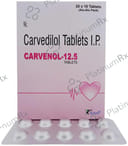
₹47.8
MRP ₹95.5
Carvedilol 12.5mg
₹110
₹47.8
MRP ₹95.5
Carvedilol 12.5mg
₹30
₹47.8
MRP ₹95.5
Carvedilol 12.5mg
₹65
₹47.8
MRP ₹95.5
Carvedilol 6.25mg
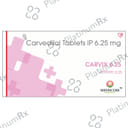
₹48
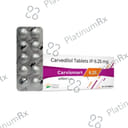
₹33
MRP ₹66
Carvedilol 6.25mg
₹65
₹33
MRP ₹66
Carvedilol 6.25mg
₹71
₹33
MRP ₹66
Carvedilol 6.25mg
₹73
₹33
MRP ₹66
Carvedilol 25mg
₹80
₹56
MRP ₹140
Carvedilol 10mg
₹101.3
₹32.7
MRP ₹65.4
Carvedilol 12.5mg
₹110
₹47.8
MRP ₹95.5
Carvedilol 10mg
₹70
₹32.7
MRP ₹65.4
Carvedilol 10mg
₹103.5
₹32.7
MRP ₹65.4
Carvedilol 20mg
₹173.3
₹53.9
MRP ₹107.8
Carvedilol 40mg
₹214.5
MRP ₹261.6
Carvedilol 20mg
₹165
₹53.9
MRP ₹107.8
Carvedilol 6.25mg
₹46
₹33
MRP ₹66
Carvedilol 12.5mg
₹59.5
₹47.8
MRP ₹95.5
Carvedilol 3.125mg
₹9.5
₹22.5
MRP ₹45
Carvedilol 3.125mg
₹27.1
₹22.5
MRP ₹45
Carvedilol 3.125mg
₹44
₹22.5
MRP ₹45
Carvedilol 3.125mg
₹40
₹22.5
MRP ₹45
Carvedilol 3.125mg
₹28.2
₹22.5
MRP ₹45
Carvedilol 6.25mg
₹78.3
₹33
MRP ₹66
Carvedilol 2.5mg
₹18.4