


More About Carboxymethylcellulose
Quick Summary
Carboxymethylcellulose (Carboxymethylcellulose) is a cellulose‑derived compound used in a variety of pharmaceutical and medical formulations. It is commonly included in ophthalmic preparations as a lubricant and tear substitute, where it helps relieve symptoms of dry eye by forming a protective film over the ocular surface. In oral and topical products, Carboxymethylcellulose functions as a stabiliser and thickening agent, improving consistency and retention of the formulation. Its role is supportive and symptomatic, helping maintain comfort and hydration across different dosage forms.
Detailed Description
Carboxymethylcellulose, also known as Carboxymethylcellulose (CMC), is a chemically modified cellulose compound that dissolves in water and forms a gel‑like solution. It is most often used as an ophthalmic lubricant in artificial tear formulations. These drops may help relieve symptoms of dry eye, such as burning, irritation, or a gritty sensation. The compound works by coating the ocular surface, which can improve moisture retention and reduce friction. Because systemic absorption is minimal, Carboxymethylcellulose does not usually cause systemic side effects.
It can also be used as an excipient in tablets, capsules, and suspensions. In this role, Carboxymethylcellulose may help control viscosity, stabilise active ingredients, and ensure consistent dosing. Rare hypersensitivity reactions can occur, so patients with known allergy to cellulose derivatives should avoid its use.
Carboxymethylcellulose is also approved as a food additive, listed as E466 in the European Union and recognised as Generally Recognised as Safe (GRAS) in the United States. It is commonly added to processed foods such as ice cream, sauces, baked goods, and beverages to improve texture and prevent separation. Normal dietary intake is considered safe, but very high consumption may alter gut microbiota.
Outside medicine and food, Carboxymethylcellulose is widely used in cosmetics and personal care products. Its stabilising and moisture‑retaining properties make it valuable in maintaining product quality and enhancing user comfort.
Uses of Carboxymethylcellulose
Carboxymethylcellulose serves several primary functions across various pharmaceutical preparations:
Ophthalmic lubricant
In artificial tear products, Carboxymethylcellulose may help relieve symptoms of dry eyes such as burning, stinging, or a gritty feeling. It forms a protective layer over the eye surface, which can reduce friction and help retain moisture.
Pharmaceutical excipient
In oral and topical medicines, it is used to support the stability of formulations and adjust their viscosity. It can help maintain uniform distribution of ingredients, contributing to consistent dosing and product performance.
Food additive (E466)
It is approved as Generally Recognised as Safe (GRAS) in the United States and is listed as E466 in the European Union. In this context, it may be used as a thickening and stabilising agent in products such as ice cream, sauces, baked goods, and beverages.
Cosmetic use
Carboxymethylcellulose is also included in personal care formulations such as toothpaste, lotions, and creams. It can improve texture, support spreadability, and help retain moisture in topical applications.
Benefits of Carboxymethylcellulose
Carboxymethylcellulose provides clinical and pharmaceutical advantages such as:
- Localised action that provides relief from dryness without significant absorption into the bloodstream.
- Consistent drug delivery by ensuring that active ingredients remain properly suspended within a formulation.
- Sustained hydration through its high water-binding capacity.
- Protection of sensitive surfaces from mechanical stress and external pollutants.
- Improved formulation texture, making topical or oral medicines easier to apply or consume.
- High tolerability profile, as it is a non-reactive polymer that is generally well-tolerated by mucosal and cutaneous tissues.
Side Effects of Carboxymethylcellulose
Carboxymethylcellulose is generally well-tolerated due to its localised and non-systemic nature. Side effects, when they occur, are typically mild and limited to the site of administration.
Common side effects associated with Carboxymethylcellulose may include:
- Temporary local irritation or redness.
- A transient sticky or heavy sensation at the site of application.
- Temporary changes in local sensation or clarity (such as transient blurring if applied to the eye surface).
Serious side effects that may require medical attention include:
- Hypersensitivity: Signs of an allergic reaction, including rash, severe itching, or swelling of the face, lips, or throat.
- Severe Localised Reaction: Persistent pain or worsening of the irritation at the site of use.
- Always consult a healthcare professional if you notice any unusual or persistent symptoms.
Directions for Use
The administration of Carboxymethylcellulose depends entirely on the specific formulation provided.
- General Guideline: Always follow the route of administration (oral, topical, or local) as directed by a healthcare professional or the product label.
- Cleanliness: Ensure hands and the site of application are clean to maintain the integrity of the protective barrier.
- Contamination Prevention: Do not allow the dispensing tip of the container to touch any surface, including skin or affected areas.
- Sequence of Use: If using multiple localised treatments, space applications by at least 5 to 10 minutes to prevent interference between products.
- Storage and Handling: For liquid forms, follow instructions regarding shaking or priming the dispenser if required for uniform consistency.
How it Works
Carboxymethylcellulose works through its physical and chemical properties as a high-viscosity cellulose polymer. Upon application, the molecule binds to biological surfaces and attracts water molecules to reinforce the natural moisture barrier. This action stabilises the surface film and prevents the rapid evaporation of moisture. In pharmaceutical formulations, it creates a stable matrix that keeps active ingredients uniformly suspended. Its mucoadhesive nature allows it to adhere to tissues, providing a prolonged protective and lubricating effect at the site of administration.
Safety Advice for Carboxymethylcellulose

Pregnancy
Caution
Carboxymethylcellulose is generally considered safe, but pregnant women should seek medical advice before use.

Breastfeeding
Caution
No harmful effects are expected. It may be used under medical supervision.

Driving
Caution
Ophthalmic use may cause temporary blurred vision. Avoid driving or operating machinery until vision clears.

Liver
Safe
Carboxymethylcellulose is not systemically absorbed in significant amounts. No adjustment is usually required.

Kidney
Safe
Minimal systemic absorption means no dose adjustment is generally necessary in kidney impairment.

Alcohol
Safe
No known interactions with alcohol.
Quick Tips for Carboxymethylcellulose
- To prevent contamination, never touch the dispensing tip to your skin, eyes, or any other surface.
- For chronic dryness, regular application at scheduled intervals is often more effective than using it only when discomfort is severe.
- If using a preservative-free variant, ensure that single-use containers are discarded immediately after one application.
- If local irritation or symptoms of dryness do not improve within a few days of regular use, consult a healthcare provider for a thorough evaluation.
Storage Advice
Store Carboxymethylcellulose at room temperature in a dry place away from direct sunlight and heat.
- Keep containers tightly closed when not in use.
- For localised liquid forms, discard the remaining contents after the timeframe specified on the label once opened.
- Keep all formulations out of the reach of children and pets.
- Do not use after the expiry date printed on the packaging.
Drug-Food Interaction
- General Diet (NO INTERACTION): No clinically significant interactions with food are known. Food intake does not affect the action of carboxymethylcellulose when used as directed.
Interactions with Other Drugs
- Other Local Preparations (CAUTION): May reduce the effectiveness of other medicines applied at the same site due to dilution or physical barrier formation. Spacing applications is generally recommended.
- Systemic Medicines (NO INTERACTION): No clinically significant interactions are expected with systemic medicines due to negligible systemic absorption.
Drug-Disease Interactions
- Cellulose Hypersensitivity (SEVERE): Carboxymethylcellulose should be avoided in individuals with a known hypersensitivity to carboxymethylcellulose or related cellulose derivatives, as it may lead to allergic reactions.
- Ocular or Local Infection (CAUTION): If there are signs of infection such as redness, pain, swelling, or discharge at the site of application, medical evaluation is recommended before use.
Overdose
Overdose is unlikely with localised use. If the medicine is accidentally swallowed in large quantities or if a systemic reaction is suspected, contact a healthcare professional or local emergency department immediately.
What If You Forget to take Carboxymethylcellulose?
If a dose or application is missed, use it as soon as you remember. If it is almost time for the next scheduled application, skip the missed one and continue with the regular routine. Do not use an excessive amount to compensate for a missed dose.
Fact Box
Therapeutic Class
Protective Agent
Action Class
Lubricant / Stabiliser / Pharmaceutical Aid
Chemical Class
Cellulose Derivative (Polymer)
Habit Forming
No
Checkout Editorial Policy
Related Medications

Carboxymethylcellulose 0.5% w/v
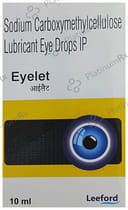
₹45
MRP ₹90
Carboxymethylcellulose 0.5% w/v
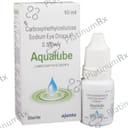
₹131.3
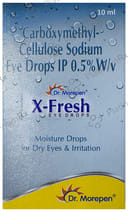
₹65.7
MRP ₹131.4
Carboxymethylcellulose 0.5% w/v
₹65.7
MRP ₹131.4
Carboxymethylcellulose 1% w/v
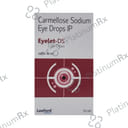
₹112.5
₹145.3
MRP ₹177.1
Carboxymethylcellulose 1% w/v
₹151.9
₹145.3
MRP ₹177.1
Carboxymethylcellulose 1% w/v

₹110
₹145.3
MRP ₹177.1
Carboxymethylcellulose 1% w/v
₹140
₹145.3
MRP ₹177.1
Carboxymethylcellulose 0.5% w/v
₹110
₹65.7
MRP ₹131.4
Carboxymethylcellulose 0.5% w/v
₹116.5
₹65.7
MRP ₹131.4
Carboxymethylcellulose 0.5% w/v
₹99
₹65.7
MRP ₹131.4
Carboxymethylcellulose 0.5% w/v
₹130
₹65.7
MRP ₹131.4
Carboxymethylcellulose 0.5% w/v
₹124.5
₹65.7
MRP ₹131.4
Carboxymethylcellulose 0.5% w/v
₹120
₹65.7
MRP ₹131.4
Carboxymethylcellulose 0.5% w/v
₹100
₹65.7
MRP ₹131.4
Carboxymethylcellulose 0.5% w/v
₹60
₹65.7
MRP ₹131.4
Carboxymethylcellulose 0.5% w/v
₹112
₹65.7
MRP ₹131.4
Carboxymethylcellulose 0.5% w/v
₹135
₹65.7
MRP ₹131.4
Carboxymethylcellulose 0.5% w/v
₹145
₹65.7
MRP ₹131.4
Carboxymethylcellulose 5mg
₹121
₹107.7
MRP ₹131.3
Carboxymethylcellulose 5mg
₹75
₹107.7
MRP ₹131.3
Carboxymethylcellulose 5mg
₹129.1
₹107.7
MRP ₹131.3
Carboxymethylcellulose 5mg
₹107.7
MRP ₹131.3
Carboxymethylcellulose 5mg
₹120
₹107.7
MRP ₹131.3
Carboxymethylcellulose
₹109

Carboxymethylcellulose 0.7% w/v
₹98
Flat ₹100 off on first app order | Use Code: APP100 |
Flat ₹100 off on first app order
USE CODE: APP100

Download Now

