


More About Calcium Carbonate + Vitamin B9 (Folic Acid) + Vitamin B12 (Methylcobalamin) + Vitamin B6 (Pyridoxine) + Vitamin D3 (Cholecalciferol)
Quick Summary
Calcium Carbonate + Vitamin B9 (Folic Acid) + Vitamin B12 (Methylcobalamin) + Vitamin B6 (Pyridoxine) + Vitamin D3 (Cholecalciferol) is a nutritional supplement that combines calcium (from calcium carbonate) with cholecalciferol (Vitamin D3) and three homocysteine-lowering B vitamins: folic acid (Vitamin B9), cyanocobalamin or methylcobalamin (Vitamin B12), and pyridoxine (Vitamin B6). This supplement is used to manage conditions like osteoporosis and osteomalacia and to reduce high plasma homocysteine levels (which increase the risk of cardiovascular disease). The combination is commonly prescribed to postmenopausal women, older adults, pregnant or lactating women, strict vegetarians, and people with hyperhomocysteinaemia.
Detailed Description
Calcium Carbonate + Vitamin B9 (Folic Acid) + Vitamin B12 (Methylcobalamin) + Vitamin B6 (Pyridoxine) + Vitamin D3 (Cholecalciferol) has two goals, which include supporting bone health and lowering plasma homocysteine. Calcium carbonate provides approximately 40% elemental calcium by weight. Cholecalciferol (Vitamin D3) is converted in the liver to 25-hydroxyvitamin D and in the kidney to the active hormone calcitriol, which increases intestinal calcium absorption, suppresses parathyroid hormone, and maintains serum calcium and phosphate.
The three B vitamins, folic acid (B9), cobalamin (B12), and pyridoxine (B6), are cofactors in the metabolism of homocysteine. Homocysteine is a sulphur-containing amino acid produced during methionine metabolism. Deficiency of any of these vitamins causes homocysteine to accumulate. High homocysteine levels increase the risk of cardiovascular events.
Research suggests supplementation with B6, B9, and B12 lowers plasma homocysteine. Smaller trials on post-stroke patients and on adults aged over 80 have also reported fracture reduction upon use of these supplements. It must be noted that this combination is not a substitute for bone-specific pharmacotherapy in established osteoporosis.
Uses of Calcium Carbonate + Vitamin B9 (Folic Acid) + Vitamin B12 (Methylcobalamin) + Vitamin B6 (Pyridoxine) + Vitamin D3 (Cholecalciferol)
Osteoporosis and osteopenia
As adjunct nutritional support alongside primary osteoporosis therapy (bisphosphonates, denosumab, etc.).
Vitamin D deficiency and insufficiency
Restores 25(OH)D levels and supports calcium absorption.
Hyperhomocysteinaemia
Lowers plasma homocysteine.
Vitamin B12 and folate deficiency
Corrects megaloblastic anaemia and associated neurological symptoms.
Pregnancy and preconception support
Folic acid reduces the risk of neural tube defects, while calcium and Vitamin D support maternal and fetal bone health.
Osteomalacia and rickets
Manages defective bone mineralisation from calcium and Vitamin D deficiency.
Nutritional supplementation
For postmenopausal women, older adults, people on long-term metformin or proton pump inhibitors, strict vegetarians, and those with malabsorption.
Benefits of Calcium Carbonate + Vitamin B9 (Folic Acid) + Vitamin B12 (Methylcobalamin) + Vitamin B6 (Pyridoxine) + Vitamin D3 (Cholecalciferol)
- Manages multiple overlapping deficiencies in a single daily tablet.
- Lowers plasma homocysteine, a known cardiovascular risk factor and potential contributor to bone fragility.
- Supports bone mineral density.
- Prevents neural tube defects when taken during the periconceptional period.
- Supports red blood cell formation and nervous system function.
- Supports neurotransmitter synthesis and may reduce nausea in pregnancy.
- Once-daily dosing with a meal is simple and generally well tolerated.
Side Effects of Calcium Carbonate + Vitamin B9 (Folic Acid) + Vitamin B12 (Methylcobalamin) + Vitamin B6 (Pyridoxine) + Vitamin D3 (Cholecalciferol)
Common:
- Constipation, bloating, gas, or abdominal discomfort
- Nausea or mild dyspepsia
- Belching (due to carbon dioxide release upon calcium carbonate’s reaction with stomach acid) Metallic taste
- Headache, mild drowsiness
Uncommon:
- Hypercalcaemia (high blood calcium) & hypercalciuria (high urinary calcium), particularly with excessive dosing or concurrent high-dose Vitamin D
- Skin rash or itching (hypersensitivity)
- Photosensitivity (rare)
- Sleep disturbance (rare)
Serious side effects requiring immediate attention:
- Severe hypercalcaemia, which may present as persistent nausea, vomiting, severe constipation, confusion, excessive thirst, frequent urination, or muscle weakness
- Anaphylaxis or severe allergic reaction (rare)
- Milk-alkali syndrome with very high calcium and alkali intake, which manifests as hypercalcaemia, metabolic alkalosis, and/or renal impairment
- Sensory peripheral neuropathy, which may present as tingling, numbness, or burning in hands or feet (upon prolonged high-dosage)
- Masking of the underlying Vitamin B12 deficiency due to folic acid
Directions for Use
Take orally with or right after a meal to aid calcium carbonate dissolution and absorption. Swallow tablets whole with water. If your daily required dose of calcium exceeds 500 mg, split the dose across the day. Do not exceed the prescribed dose. Maintain adequate hydration. Space this supplement at least 2 hours from iron, oral antibiotics (tetracyclines, fluoroquinolones), and bisphosphonates, and at least 4 hours from levothyroxine. Because vitamin B6 can cause peripheral neuropathy with prolonged high exposure, do not combine with additional high-dose B-complex or energy-drink products without checking the total B6 content.
How it works
Calcium carbonate dissolves in stomach acid to release ionised calcium, which is absorbed in the small intestine by Vitamin D-dependent active transport and passive diffusion. Once in the bloodstream, calcium is deposited in bone as hydroxyapatite. It also participates in muscle contraction, nerve conduction, and blood clotting.
Vitamin D3 (cholecalciferol) is hydroxylated to 25-hydroxyvitamin D (liver) and then to calcitriol (kidney). Calcitriol acts on the Vitamin D receptor in the intestine, bone, kidney, and parathyroid. This helps increase calcium and phosphate absorption, mobilise calcium when dietary supply is low, enhance renal calcium reabsorption, and suppress parathyroid hormone.
Folic acid is converted into active forms in the body that help build DNA, form healthy red blood cells, and recycle homocysteine into a harmless amino acid, called methionine, with the help of Vitamin B12. In pregnancy, adequate folate is critical for the normal development of the baby's brain and spinal cord.
Vitamin B12 is needed for the functioning of two key enzymes: methionine synthase (recycles homocysteine into methionine) and methylmalonyl-CoA mutase (helps the body complete the metabolism of certain fats and amino acids). When B12 is deficient, both pathways fail, resulting in the accumulation of homocysteine and methylmalonic acid, impaired DNA synthesis (causing megaloblastic anaemia), and breakdown of the myelin sheath around peripheral nerves and the spinal cord.
Vitamin B6 is converted into pyridoxal 5'-phosphate (PLP), which supports a wide range of reactions, including converting homocysteine into cysteine, producing haem for red blood cells, synthesising neurotransmitters such as serotonin and dopamine, and processing amino acids. PLP is also needed by lysyl oxidase, the enzyme that strengthens collagen in bone and connective tissue.
Safety Advice for Calcium Carbonate + Vitamin B9 (Folic Acid) + Vitamin B12 (Methylcobalamin) + Vitamin B6 (Pyridoxine) + Vitamin D3 (Cholecalciferol)

Pregnancy
Caution
Generally considered safe during pregnancy; however, consult your doctor for the appropriate dosage.

Breastfeeding
Caution
All components pass into breast milk and are generally beneficial at nutritional doses. Avoid high-dose B6 (>100 mg/day) as it can suppress prolactin and reduce milk supply.

Driving
Safe
Usually does not impair driving.

Kidney
Caution
High risk of hypercalcaemia, hyperphosphataemia, and calcium-phosphate deposition in people with severe renal impairment.

Liver
Caution
Severe hepatic impairment may affect Vitamin D3 hydroxylation and vitamin B metabolism.

Alcohol
Caution
Chronic heavy alcohol use depletes folate and B6 and impairs calcium and Vitamin D status.
Drug-Food Interaction
- High-fibre or high-oxalate foods (CAUTION): Foods like bran, spinach, and wheat bran can get attached to calcium and reduce its absorption. Space these from the supplement by at least 2 hours.
- Caffeine (MODERATE): Heavy caffeine intake (>400 mg/day) modestly increases urinary calcium loss.
- Alcohol (MODERATE): Chronic heavy use reduces B6, B12 & calcium absorption and impairs Vitamin D metabolism.
- Dairy and calcium-fortified foods (BENEFICIAL with caution): Help meet daily calcium needs, but total calcium (diet plus supplement) should not exceed 2,000–2,500 mg/day in adults.
- Grapefruit juice (CAUTION): May alter Vitamin D metabolism in some people. Take supplements after a few hours.
Interactions with Other Drugs
Levothyroxine
MODERATE–SEVERE
Calcium binds to levothyroxine, reducing absorption. Separate by at least 4 hours.
Bisphosphonates (alendronate, risedronate)
SEVERE
Calcium chelates bisphosphonates, lowering their absorption. Separate by at least 2 hours.
Tetracyclines and fluoroquinolones
MODERATE
Calcium forms insoluble complexes, reducing antibiotic absorption. Separate by at least 2–4 hours.
Iron supplements
MODERATE
Calcium reduces non-haem iron absorption. Separate by at least 2 hours.
Thiazide diuretics
CAUTION
They reduce urinary calcium excretion, raising serum calcium.
Phenytoin, phenobarbital, primidone
CAUTION
They reduce vitamin D levels, increase folate requirement, and their own levels may be reduced by pyridoxine.
Levodopa (without carbidopa)
CAUTION
Pyridoxine enhances peripheral decarboxylation of levodopa, reducing its antiparkinsonian effect.
Proton pump inhibitors, metformin, colchicine
CAUTION
They reduce B12 absorption with long-term use
Chloramphenicol
CAUTION
May hamper the haematopoietic response to B12 and folate
Digoxin
CAUTION
Hypercalcaemia from overdose can potentiate digoxin toxicity and arrhythmias
Corticosteroids (prolonged)
CAUTION
They impair calcium absorption and accelerate bone loss
Isoniazid, hydralazine, penicillamine, oral contraceptives
CAUTION
They hamper B6 metabolism or accelerate its excretion
Drug-Disease Interactions
- Chronic kidney disease (CAUTION): Calcium and Vitamin D intake must be monitored to avoid vascular and soft-tissue calcification.
- Sarcoidosis and other granulomatous diseases (AVOID): Macrophages in granulomas produce calcitriol without any regulation, increasing the risk of hypercalcaemia.
- Primary hyperparathyroidism (AVOID): Increased risk of hypercalcemia as serum calcium is already elevated.
- Achlorhydria or long-term PPI use (CAUTION): Reduced stomach acid impairs calcium carbonate & B12 absorption.
- Peripheral neuropathy (CAUTION): High-dose pyridoxine may worsen sensory neuropathy.
- Megaloblastic anaemia: Investigate for B12 deficiency before starting folate-containing supplements.
- Epilepsy on phenytoin, phenobarbital, or primidone: These drugs accelerate Vitamin D metabolism and increase folate requirements.
Overdose
Overdose of calcium and Vitamin D may result in hypercalcaemia. Severe cases may lead to renal impairment or cardiac arrhythmias. Prolonged high-dose pyridoxine (Vitamin B6) can cause sensory peripheral neuropathy. However, it usually improves with withdrawal. Vitamin B12 and folic acid have no significant toxicity at supplemental doses. If overdose is suspected, stop the supplement immediately and seek urgent medical attention.
What If You Forget to take Calcium Carbonate + Vitamin B9 (Folic Acid) + Vitamin B12 (Methylcobalamin) + Vitamin B6 (Pyridoxine) + Vitamin D3 (Cholecalciferol)?
Take the missed dose as soon as you remember on the same day, with food. If it is almost time for your next dose, skip the missed one and continue your normal schedule. Do not double-dose. Consistency over weeks matters more than occasional missed days, so try to take it at the same time each day (typically with your main meal).
References
Fact Box
Therapeutic Class
Action Class
Mineral and vitamin supplement
Chemical Class
Calcium salt (inorganic) + secosteroid (Vitamin D3) + folate (Vitamin B9) + corrinoid (Vitamin B12) + pyridine derivative (Vitamin B6)
Habit Forming
No
Checkout Editorial Policy
Calcium Carbonate + Vitamin B9 (Folic Acid) + Vitamin B12 (Methylcobalamin) + Vitamin B6 (Pyridoxine) + Vitamin D3 (Cholecalciferol) in other salts
Top Selling Medicines
Top Health Products
Top Selling Devices
Related Medications

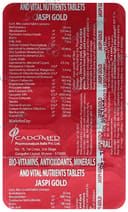
Benfotiamine 25mg + Beta Carotene 10mg + Calcium Carbonate 162mg + Choline Bitartrate 30mcg + Elemental Chromium 65mcg + Elemental Copper 2.5mg + Elemental Manganese 1.4mg + Elemental Selenium 60mcg + Ferrous Fumarate 33.3mg + Lycopene 1000mcg + Magnesium Chloride 15mg + Potassium Iodide 150mcg + Sodium Molybdate Dihydrate 30mcg + Taurine 7.2mg + Vitamin B3 (Niacin) 50mg + Vitamin B6 (Pyridoxine) 3mg + Vitamin B7 (Biotin) 30mcg + Vitamin B9 (Folic Acid) 1mg + Vitamin B12 (Methylcobalamin) 500mcg + Vitamin D3 (Cholecalciferol) 200IU + Zinc (Elemental Zinc) 15mg
₹109.9
MRP ₹134.1
Calcium Carbonate (Coral) 250mg + Genistein 54mg + Vitamin B6 (Pyridoxine) 0.5mg + Vitamin B9 (Folic Acid) 220mcg + Vitamin B12 (Methylcobalamin) 1mcg + Vitamin D3 (Cholecalciferol) 400IU
₹210
₹303.5
MRP ₹370.2
Calcium Carbonate (Coral) 250mg + Genistein 54mg + Vitamin B6 (Pyridoxine) 0.5mg + Vitamin B9 (Folic Acid) 220mcg + Vitamin B12 (Methylcobalamin) 1mcg + Vitamin D3 (Cholecalciferol) 400IU
₹303.5
MRP ₹370.2
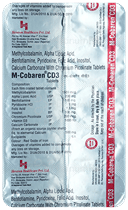
Alpha Lipoic Acid 200mg + Benfotiamine 150mg + Calcium Carbonate 500mg + Chromium Picolinate 200mcg + Myo Inositol (Inositol) 100mg + Vitamin B9 (Folic Acid) 1500mcg + Vitamin B12 (Methylcobalamin) 1500mcg + Vitamin B6 (Pyridoxine) 3mg + Vitamin D3 (Cholecalciferol) 1000IU

₹274.3
₹233.2
MRP ₹281
Alpha Lipoic Acid 200mg + Benfotiamine 150mg + Calcium Carbonate 500mg + Chromium Picolinate 200mcg + Myo Inositol (Inositol) 100mg + Vitamin B9 (Folic Acid) 1500mcg + Vitamin B12 (Methylcobalamin) 1500mcg + Vitamin B6 (Pyridoxine) 3mg + Vitamin D3 (Cholecalciferol) 1000IU
₹233.2
MRP ₹281
Calcium Carbonate 50mg + Elemental Chromium 65mcg + Elemental Copper 0.5mg + Elemental Iodine 50mcg + Elemental Manganese 1.5mg + Elemental Selenium 20mcg + Iron 9.9mg + Magnesium Hydroxide (Milk Of Magnesia) 10mg + Vitamin A (Retinol) 5000IU + Vitamin A (Retinol) 1500IU + Vitamin B9 (Folic Acid) 50mcg + Vitamin B12 (Methylcobalamin) 12mcg + Vitamin B3 (Niacin) 10mg + Vitamin B5 (Pantothenic Acid) 5mg + Vitamin B6 (Pyridoxine) 1mg + Vitamin B2 (Riboflavin) 2mg + Vitamin B1 (Thiamine) 2mg + Vitamin C (Ascorbic Acid) 40mg + Vitamin D3 (Cholecalciferol) 100IU + Vitamin E (Tocopheryl) 10IU + Vitamin K2 (Menaquinone) 20mcg + Zinc (Elemental Zinc) 10mg
₹130

Calcium Carbonate 50mg + Elemental Chromium 65mcg + Elemental Copper 0.5mg + Elemental Iodine 50mcg + Elemental Manganese 1.5mg + Elemental Selenium 20mcg + Iron 9.9mg + Magnesium Hydroxide (Milk Of Magnesia) 10mg + Vitamin A (Retinol) 5000IU + Vitamin A (Retinol) 1500IU + Vitamin B9 (Folic Acid) 50mcg + Vitamin B12 (Methylcobalamin) 12mcg + Vitamin B3 (Niacin) 10mg + Vitamin B5 (Pantothenic Acid) 5mg + Vitamin B6 (Pyridoxine) 1mg + Vitamin B2 (Riboflavin) 2mg + Vitamin B1 (Thiamine) 2mg + Vitamin C (Ascorbic Acid) 40mg + Vitamin D3 (Cholecalciferol) 100IU + Vitamin E (Tocopheryl) 10IU + Vitamin K2 (Menaquinone) 20mcg + Zinc (Elemental Zinc) 10mg
₹143.6