


Benazepril
Uses
Benazepril is used in the treatment of hypertension (high blood pressure), the prevention of heart attack and stroke, and heart failure.
How it Works
How Benazepril works Benazepril is an angiotensin-converting enzyme (ACE) inhibitor. It functions by reducing stress on the heart and relaxing blood vessels, allowing blood to flow more smoothly and enabling the heart to pump blood more efficiently.
Side Effects
Common side effects of Benazepril include cough and headache.
Expert Advice
- Benazepril may cause dizziness during the initial days of treatment; therefore, rise slowly after sitting or lying down.
- Consider taking it at bedtime to minimize dizziness throughout the day.
- Notify your doctor if you experience any persistent cough or throat irritation.
- Benazepril may increase potassium levels in the blood; avoid potassium supplements and potassium-rich foods such as bananas and broccoli.
- Inform your doctor if you are pregnant, planning to become pregnant, or breastfeeding.
- You have been prescribed Benazepril to improve blood pressure.
- Lowering blood pressure reduces the risk of future heart attacks and strokes.
- It may also be used to treat chronic (long-standing) heart failure.
- Benazepril helps protect kidney function, which is particularly beneficial for individuals with diabetes or mild-to-moderate kidney disease.
Benazepril in other salts
Top Selling Medicines
Top Health Products
Top Selling Devices
Dr. Morepen Gluco One BG-03 Test StripsAccu-Chek Instant Test StripsAccu-Chek Active Test StripsDr. Morepen BP-14 Blood Pressure MonitorAccu-Chek Active Test Strips 100sOneTouch Select Plus Test StripsDr. Morepen BG-03 GlucometerOneTouch Verio Test StripsAccu-Chek Instant S GlucometerAccu-Chek Active Test Strips 25sView More
Related Medications

Salt Composition
Benazepril 5mg
Benapril 5mg Tablet 10s
LA Oister Pharma Pvt. Ltd.
Strip of 10 tablets
MRP
₹233.4

Sorry, Substitute Medicine is Unavailable
Salt Composition
Benazepril 5mg
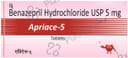
Apriace 5mg Tablet 10s
Nectazen Pharmaceuticals
Strip of 10 tablets
MRP
₹239.1
Sorry, Substitute Medicine is Unavailable
Salt Composition
Benazepril 5mg
Bampril 5mg Tablet 10s (AAR)
AAR ESS Remedies Pvt. Ltd.
Strip of 10 tablets
MRP
₹192.2
Sorry, Substitute Medicine is Unavailable
Salt Composition
Benazepril 10mg
Benace H 10mg Tablet 10s
Novartis India Ltd.
Strip of 10 tablets
MRP
₹107
Sorry, Substitute Medicine is Unavailable
Salt Composition
Benazepril 5mg
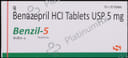
Benzil 5mg Tablet 10s
Solarium Pharmaceuticals
Strip of 10 tablets
MRP
₹253
Sorry, Substitute Medicine is Unavailable
Salt Composition
Benazepril 10mg
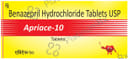
Apriace 10mg Tablet 10s
Nectazen Pharmaceuticals
Strip of 10 tablets
MRP
₹253.1
Sorry, Substitute Medicine is Unavailable
Salt Composition
Amlodipine 5mg + Benazepril 10mg
Amace BP 5/10mg Tablet 10s
Systopic Laboratories Pvt. Ltd.
Strip of 10 tablets
MRP
₹73
Sorry, Substitute Medicine is Unavailable