


More About Azithromycin
Quick Summary
Azithromycin is a broad-spectrum antibiotic used to treat a wide range of bacterial infections. It contains Azithromycin, which inhibits bacterial protein synthesis. This helps the medicine effectively treat infections of the respiratory tract (such as pneumonia and tonsillitis), ears, skin and certain sexually transmitted infections. It is often prescribed for its convenient once-daily dosing and short course. Take it exactly as prescribed and complete the full course to ensure proper treatment and reduce the risk of antibiotic resistance.
Detailed Description
Composition and Mechanism: Azithromycin contains Azithromycin, a widely prescribed antibiotic belonging to the macrolide group. Azithromycin works by inhibiting bacterial protein synthesis, thereby preventing bacterial growth. This action helps control the infection and prevent its spread. After taking the medicine, it is widely distributed into tissues such as the lungs, skin, and immune cells, where it remains active for several days. This sustained presence allows continued antibacterial action at the site of infection even after the final dose has been taken.
Major Therapeutic Uses: Azithromycin is indicated for the treatment of several common infections, including bacterial throat infections such as pharyngitis and tonsillitis, chronic bronchitis and certain sexually transmitted diseases (such as chlamydia and gonorrhea). It is also effective against typical pathogens frequently associated with community-acquired pneumonia.
Benefits, Precautions and Medical Supervision: Azithromycin provides effective coverage against many gram-positive and some gram-negative bacteria. It is usually taken once daily and often for a shorter duration, which helps improve patient compliance. Take this medicine exactly as prescribed and complete the full course, even if you feel better early. This helps ensure the infection is properly treated and reduces the risk of antibiotic resistance.
Uses of Azithromycin
Azithromycin is indicated for the treatment of various bacterial infections caused by susceptible strains. It is commonly used to treat infections in multiple areas, including:
Respiratory Tract Infections
Treats bacterial infections such as bronchitis, sinusitis, pneumonia, and throat infections (tonsillitis).
Ear, Nose, and Throat (ENT) Infections
Helps manage ear infections (otitis media) and other upper respiratory conditions.
Skin and Soft Tissue Infections
Effective in treating infections of the skin and soft tissues caused by susceptible bacteria.
Sexually Transmitted Infections (STIs)
Used in the treatment of certain bacterial infections such as chlamydia and, in combination therapy, gonorrhea.
Benefits of Azithromycin
- Effective Bacterial Control: Azithromycin works by inhibiting bacterial protein synthesis, helping to stop the growth of bacteria and control the spread of infection.
- Convenient Dosing: It is usually taken once daily and often for a shorter duration, making it easier to follow the treatment and improving patient compliance.
- Good Tissue Penetration: It reaches high levels in tissues such as the lungs, skin, and immune cells, allowing it to remain active and continue working even after the last dose.
- Generally Well Tolerated: Most patients tolerate it well when taken as prescribed, with side effects typically being mild and temporary.
Side Effects of Azithromycin
While Azithromycin is generally well-tolerated, some individuals may experience temporary side effects. If any side effect persists or worsens, consult your doctor immediately.
Common Side Effects (usually mild and resolve quickly):
- Diarrhoea
- Nausea and Vomiting
- Abdominal pain or stomach cramps
- Headache
- Flatulence (Passing of gas)
Serious Side Effects (Seek immediate medical attention if these occur):
- Severe allergic reaction (rash, hives, difficulty breathing, swelling of the face, lips, tongue, or throat)
- Severe diarrhoea (watery or bloody stools)
- Jaundice (yellowing of the skin or eyes)
- Irregular heart rhythm or palpitations
Directions for Use
Azithromycin is available in tablet and dry powder for oral suspension.
- If this medicine is provided as a dry powder, add sterile water (provided in the pack, if available) or boiled and cooled water up to the marked line. Shake well to form a uniform suspension and shake before each use. Use a proper measuring device for accurate dosing.
- Take this medicine exactly as prescribed by your doctor, usually once a day, depending on the dose.
- It can be taken with or without food, although taking it with food may help reduce stomach discomfort.
- Complete the full course of treatment, even if you start feeling better early.
- Do not skip doses or stop the medicine on your own, as this may lead to treatment failure or antibiotic resistance.
How it Works
Azithromycin contains Azithromycin, a key member of the macrolide antibiotic class, which works by inhibiting bacterial protein synthesis. It binds to the bacterial ribosome, preventing the bacteria from producing essential proteins needed for their growth and survival. This mechanism is primarily bacteriostatic (stops the bacteria from multiplying) as a result, the growth of bacteria is stopped, allowing the body’s immune system to clear the existing pathogens. Due to its longer plasma half-life, the medicine remains in the body for an extended period, providing sustained antibacterial action even after the last dose. This helps ensure continued effectiveness and reduces the risk of recurrence.
Safety Advice for Azithromycin

Breastfeeding
Caution
Small amounts may pass into breast milk; generally considered safe, but consult your doctor.

Pregnancy
Safe
Commonly used during pregnancy if prescribed by a doctor.

Driving
Safe
Does not usually affect alertness or ability to drive.

Alcohol
Caution
No significant interaction, but excessive alcohol may increase stomach discomfort.

Liver
Caution
Use with caution in severe liver disease; monitoring may be required.

Kidney
Caution
Generally safe. Usually no dose adjustment is required.
Quick Tips for Azithromycin
- Sunlight (Caution): Azithromycin may increase sensitivity to sunlight (photosensitivity) in some individuals. Avoid prolonged sun exposure and use protective clothing or sunscreen when outdoors.
- Take at regular intervals: Maintain evenly spaced dosing for best results.
- Consider probiotics: Taking probiotics or yogurt may help maintain gut health and reduce the risk of antibiotic-associated diarrhea.
- Inform your doctor of all medicines: Especially if you are taking other medications or have existing medical conditions.
Storage Advice
- Tablets: Store in a cool, dry place below 25°C, away from direct sunlight and moisture. Keep the medicine in its original packaging and out of reach of children.
- Dry Powder for Oral Suspension: Store the dry powder in a cool, dry place below 25°C. Protect from moisture and heat.
- After Reconstitution (Suspension): Keep the prepared suspension in a cool place or refrigerate if advised on the label. Do not freeze. Shake well before use and use within the recommended duration; discard any unused portion after that period.
Drug-Food Interaction
- Food: Azithromycin can be taken with or without food. Taking it with food may help reduce stomach discomfort.
- Antacids (Caution): Antacids containing aluminum or magnesium may reduce the absorption of azithromycin. It is advisable to take azithromycin at least 1–2 hours before or after such antacids.
Interactions with Other Drugs
Azithromycin has fewer drug interactions than other macrolides, but caution is required. Key interactions include:
- Anticoagulants (e.g., warfarin) (Caution): May increase the risk of bleeding; monitoring of clotting time (INR) may be required.
- QT-Prolonging Drugs (Caution): Concurrent use with medicines that affect heart rhythm (e.g., certain antiarrhythmics, antipsychotics) may increase the risk of irregular heartbeat.
- Digoxin (Caution): May increase digoxin levels in the blood; monitoring may be required.
Drug-Disease Interactions
Patients with existing health conditions should inform their doctor before using this medicine.
- Liver Disease (Caution): Use with caution in patients with liver problems, as the medicine is mainly processed by the liver. Monitoring may be required.
- Heart Conditions (Caution): Use carefully in patients with heart rhythm disorders (e.g., QT prolongation), as it may increase the risk of irregular heartbeat.
- Myasthenia Gravis (Caution): May worsen muscle weakness in patients with myasthenia gravis; use only under medical supervision.
What If You Forget to take Azithromycin?
If you miss a dose of this antibiotic, take it as soon as you remember. If it is close to the time of your next dose, skip the missed dose and continue with your regular schedule. Do not take a double dose to make up for it. Try to take doses at evenly spaced intervals, as missing doses can reduce effectiveness and may contribute to antibiotic resistance.
Fact Box
Therapeutic Class
Anti-infective / Antibiotic (Macrolide)
Action Class
Antibiotic (Inhibits Bacterial Protein Synthesis)
Chemical Class
Macrolide Antibiotic
Habit Forming
No
Checkout Editorial Policy
Related Medications

Azithromycin 100mg
₹22.3
₹33.1
MRP ₹47.3
Azithromycin 200mg
₹106.9
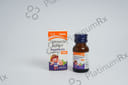
₹27.3
MRP ₹54.6
Azithromycin 100mg
₹73
₹33.1
MRP ₹47.3
Azithromycin 100mg
₹24
₹33.1
MRP ₹47.3
Azithromycin 200mg
₹26.9
₹27.3
MRP ₹54.6
Azithromycin 200mg
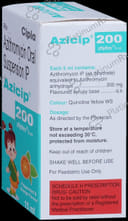
₹54.6
₹27.3
MRP ₹54.6
Azithromycin 200mg
₹42
₹27.3
MRP ₹54.6
Azithromycin 200mg
₹45
₹27.3
MRP ₹54.6
Azithromycin 100mg
₹58
₹33.1
MRP ₹47.3
Azithromycin 500mg
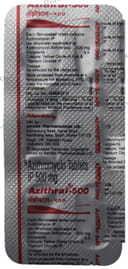
₹125.9
₹55.9
MRP ₹75.5
Azithromycin 1000mg
₹61.7
₹45.5
MRP ₹60.7
Azithromycin 200mg
₹129.4
₹27.3
MRP ₹54.6
Azithromycin 100mg
₹74.9

₹50.6
MRP ₹70.3
Azithromycin 250mg
₹96
₹55.3
MRP ₹74.8
Azithromycin 250mg
₹127.2
₹55.3
MRP ₹74.8
Azithromycin 250mg
₹72
₹55.3
MRP ₹74.8
Azithromycin 250mg
₹64.4
₹55.3
MRP ₹74.8
Azithromycin 100mg
₹40
₹33.1
MRP ₹47.3
Azithromycin 500mg
₹67
₹55.9
MRP ₹75.5
Azithromycin 500mg
₹55.9
MRP ₹75.5
Azithromycin 100mg
₹50.6
MRP ₹70.3
Azithromycin 100mg
₹63.1
₹50.6
MRP ₹70.3
Azithromycin
₹58.5

Azithromycin
₹92
Azithromycin 200mg
₹35
Flat ₹100 off on first app order | Use Code: APP100 |
Flat ₹100 off on first app order
USE CODE: APP100

Download Now

