


More About Atropine + Diphenoxylate
Quick Summary
Atropine + Diphenoxylate is a combination prescription medication used as an adjunctive therapy in the management of acute or chronic diarrhea. It contains diphenoxylate, an antidiarrheal agent, and a sub-therapeutic (very small) amount of atropine. It works by slowing the movement of the intestines, which helps decrease the frequency of bowel movements and makes the stool more formed.
Detailed Description
Atropine + Diphenoxylate contains Diphenoxylate and Atropine. It is used for short-term management of diarrhoea when supportive measures such as diet and fluids alone are not sufficient, and only under medical supervision.
Diphenoxylate works by slowing the movement of the intestines. This reduces how quickly stool passes through the gut, allowing more time for water and salts to be absorbed. As a result, stool frequency and looseness are reduced. Atropine is included in a very small amount to support the safe use of the medicine. It also contributes to reducing intestinal movement through its anticholinergic action.
Because this medicine slows intestinal movement, it is not suitable for all types of diarrhoea. In some infections, especially those with fever or blood in the stool, slowing the gut may worsen symptoms by delaying the clearance of the underlying cause. For this reason, it should only be used after proper medical assessment.
The medicine is generally used for a limited duration under supervision, along with attention to hydration and underlying causes of diarrhoea. Common side effects may include dry mouth, dizziness, drowsiness, constipation, or blurred vision.
Uses of Atropine + Diphenoxylate
Atropine + Diphenoxylate may be indicated by your doctor for:
Acute Diarrhea
Short-term management of sudden, severe diarrhea.
Chronic Diarrhea
Management of persistent diarrhea associated with conditions like inflammatory bowel disease (IBD), as an adjunct to other therapies.
Post-Surgical Management
Reducing the volume of discharge from ileostomies or colostomies.
Benefits of Atropine + Diphenoxylate
Atropine + Diphenoxylate may provide benefits such as:
- Reduces Urgency: Helps manage the immediate and distressing need to visit the bathroom.
- Improved Stool Consistency: Promotes better water reabsorption, leading to firmer stools.
- Frequency Control: Decreases the total number of bowel movements throughout the day.
- Stabilizes Gut Motility: Calms hyperactive intestinal muscles.
- Abdominal Comfort: May help reduce cramping often associated with rapid intestinal transit.
Side Effects of Atropine + Diphenoxylate
Common side effects of Atropine + Diphenoxylate may include
- Drowsiness or dizziness
- Dry mouth, nose, or throat
- Nausea or vomiting
- Loss of appetite
- Headache
Uncommon side effects of Atropine + Diphenoxylate may include
- Blurred vision
- Rapid heartbeat (tachycardia)
- Restlessness or euphoria
- Confusion or hallucinations
Serious side effects (rare) that require immediate medical attention
- Severe Abdominal Bloating: Signs of toxic megacolon (extremely swollen abdomen).
- Paralytic Ileus: Complete lack of bowel movement accompanied by severe pain.
- Severe Allergic Reaction: Rash, swelling of the face/lips, or difficulty breathing.
- Signs of Dehydration: Extreme thirst, very dark urine, or decreased urination.
Always consult your doctor if you notice any unusual symptoms while taking Atropine + Diphenoxylate.
Directions for Use
- Take Atropine + Diphenoxylate exactly as prescribed. Do not exceed the recommended dose.
- It is typically taken four times a day until the diarrhea is controlled.
- Once the diarrhea improves, your doctor may reduce the dose.
- Drink plenty of fluids (water, oral rehydration solutions) to prevent dehydration while you have diarrhea.
- If you do not see any improvement after 48 hours of treatment, contact your doctor.
- Wash Hands: Always practice good hygiene to prevent the spread of infection.
How it works
Diphenoxylate acts on opioid receptors within the intestinal muscles to inhibit the release of acetylcholine and prostaglandins. This slows down intestinal motility and increases the transit time of the intestinal contents. Atropine is an anticholinergic agent; in this combination, its sub-therapeutic dose blocks certain nerve signals to the salivary glands and heart only if taken in excess, acting as a pharmacological "safety lock" against overdose.
Safety Advice for Atropine + Diphenoxylate

Allergy
Caution
Avoid if you are allergic to diphenoxylate, atropine, or similar medicines. Stop use and inform your doctor if you develop a rash, swelling, or breathing difficulty.

Pregnancy
Limited information
Use only if clearly advised by your doctor after assessing risks and benefits.

Breastfeeding
Caution
May pass into breast milk; use only under medical advice.

Driving
Caution
May cause drowsiness, dizziness, or blurred vision. Avoid driving or operating machinery if affected.

Alcohol
Caution
Alcohol can increase drowsiness and side effects such as dizziness. Avoid or limit use.

Liver
Caution
Use with caution in liver disease, as effects may be increased. Medical supervision may be required.

Kidney
Limited information
Use with caution; consult your doctor if you have kidney problems

Children
Unsafe
Not recommended in young children unless specifically prescribed due to the risk of serious side effects.

Elderly patients
Caution
Older adults may be more sensitive to side effects such as confusion, constipation, or drowsiness. Use under supervision.
Quick Tips for Atropine + Diphenoxylate
- Stay Hydrated: Diarrhea causes significant loss of water and salts. Use an oral rehydration solution alongside this medicine.
- Dietary Adjustments: While treating diarrhea, try eating bland foods like bananas, rice, or toast (the BRAT diet) and avoid spicy or fatty foods.
- Monitor for Fever: If your diarrhea is accompanied by a high fever or bloody stools, do not use this medicine and call your doctor immediately.
- Check for "Rebound": Once your bowel movements become normal, stop taking the medication as directed by your doctor to avoid constipation.
Storage Advice
- Store at room temperature away from light and moisture.
- Keep the bottle tightly closed.
- Strictly keep out of reach of children.
- Do not use past the expiry date.
Drug-Food Interaction
- General Diet (Safe): No specific foods interact with the drug, but avoiding dairy and caffeine may help the diarrhea resolve faster.
Interactions with Other Drugs
- MAO Inhibitors (Unsafe): Using this with MAOIs (e.g., phenelzine) may lead to a severe hypertensive crisis (very high blood pressure).
- CNS Depressants (Caution): Sleep aids, anxiety medications, or other opioids can worsen drowsiness and slow down breathing.
- Anticholinergics (Caution): Other medicines that cause dry mouth or blurred vision can have an additive effect.
Drug-Disease Interactions
- Infectious Diarrhea (Caution): Do not use if the diarrhea is caused by organisms that penetrate the intestinal mucosa (like Salmonella or Shigella).
- Ulcerative Colitis (Caution): May increase the risk of a serious complication called toxic megacolon.
- Glaucoma (Caution): The atropine component may increase pressure in the eye.
- Down Syndrome (Caution): Patients with Down Syndrome may be more sensitive to the effects of atropine.
What If You Forget to take Atropine + Diphenoxylate?
If you miss a dose, take it as soon as you remember. If it is almost time for your next dose, skip the missed one. Do not take two doses at once to make up for a missed application.
References
Fact Box
Therapeutic Class
Gastroenterology
Action Class
Antidiarrheal
Chemical Class
Opioid Derivative / Anticholinergic
Habit Forming
Potential (Schedule IV/V)
Checkout Editorial Policy
Atropine + Diphenoxylate in other salts
Top Selling Medicines
Top Health Products
Top Selling Devices
Related Medications

Atropine 0.025mg + Diphenoxylate 2.5mg
MRP ₹16
Atropine 0.025mg + Diphenoxylate 2.5mg
MRP ₹3.4
Atropine 0.025mg + Diphenoxylate 2.5mg
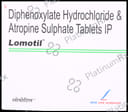
MRP ₹31.7
Atropine 0.025mg + Diphenoxylate 2.5mg + Furazolidone 50mg
MRP ₹163
Atropine 0.025mg + Diphenoxylate 25mg + Furazolidone 50mg
MRP ₹8