


More About Amlodipine + Perindopril erbumine
Quick Summary
Amlodipine + Perindopril erbumine is a prescription medicine for high blood pressure (hypertension). Each tablet contains two medicines. Perindopril erbumine is an ACE inhibitor and is also called perindopril tert-butylamine. Amlodipine is a calcium channel blocker and is often sold as amlodipine besylate or besilate. Doctors usually prescribe it to people whose blood pressure is already controlled with perindopril and amlodipine taken as separate tablets at the same doses. Lowering blood pressure reduces the risk of strokes and heart attacks. Amlodipine + Perindopril erbumine must not be used during pregnancy because it can seriously harm an unborn baby.
Detailed Description
Amlodipine + Perindopril erbumine combines two blood pressure medicines that work in different ways. Perindopril lowers angiotensin II, a natural hormone that tightens blood vessels. Amlodipine relaxes the muscle in blood vessel walls. Together they widen the blood vessels, so blood flows more easily and blood pressure goes down.
Amlodipine + Perindopril erbumine is used to treat essential hypertension, which is high blood pressure with no single known cause. It usually replaces separate perindopril and amlodipine tablets once those doses are known to work for you. Keeping blood pressure down over the long term lowers the risk of stroke and heart attack. Most people cannot feel high blood pressure, so the medicine is taken every day, even on days when you feel well.
With both medicines in one tablet, you have fewer pills to take each day. Adding an ACE inhibitor such as perindopril may reduce the ankle swelling that amlodipine can cause, compared with taking a higher dose of amlodipine on its own.
You will need regular check-ups while taking Amlodipine + Perindopril erbumine. The perindopril part can raise the amount of potassium in your blood and can affect how well your kidneys work. Your doctor will usually check your blood pressure, kidney function and potassium levels from time to time.
Some serious warnings apply:
- Pregnancy: Amlodipine + Perindopril erbumine can injure or kill an unborn baby. It must be stopped as soon as you know you are pregnant.
- Face and throat swelling (angioedema): This is a rare reaction to ACE inhibitors, but it can be life-threatening.
- Low blood pressure: This is more likely if you are dehydrated, take water tablets (diuretics), or have had vomiting or diarrhoea.
- Chest pain: In people with heart artery disease, chest pain (angina) can get worse after starting the medicine or raising the dose.
Do not stop Amlodipine + Perindopril erbumine without talking to your doctor first. If you stop, your blood pressure can go back up.
Benefits of Amlodipine + Perindopril erbumine
- Two ways of lowering blood pressure: Perindopril lowers the hormone that tightens blood vessels, and amlodipine relaxes the blood vessel walls.
- Lower risk of stroke and heart attack: Keeping blood pressure under control reduces the risk of strokes and heart attacks. Studies have shown this benefit for both amlodipine and ACE inhibitors such as perindopril.
- Less ankle swelling than high-dose amlodipine alone: Adding perindopril may reduce the ankle swelling that amlodipine can cause, compared with a higher dose of amlodipine on its own.
- One tablet, once a day: Having two medicines in one daily tablet makes your routine simpler and makes missed doses less likely.
- Steady control through the day: Amlodipine works slowly and lasts a long time, which helps keep blood pressure steady through the day. Some people may feel dizzy after the first dose, especially if they also take water tablets or are dehydrated.
Side Effects of Amlodipine + Perindopril erbumine
Common Side Effects (Usually Mild and may lessen with continued use)
- Swelling of the ankles, feet or legs (peripheral oedema)
- A dry, tickly cough that does not go away. This comes from the perindopril part and usually settles after the medicine is stopped.
- Headache
- Dizziness or light-headedness, especially when you stand up
- Flushing (a red, warm face or neck)
- Feeling your heartbeat more strongly or faster (palpitations)
- Tiredness or weakness
- Feeling sick (nausea), tummy pain, constipation or diarrhoea
- Feeling sleepy
- Changes in taste
- Skin rash or itching
- Swollen or overgrown gums (uncommon; keep up good dental hygiene)
Serious Side Effects (Seek Urgent Medical Attention)
- Angioedema: sudden swelling of the face, lips, tongue or throat, sometimes with trouble breathing or swallowing. This is a rare but possibly life-threatening reaction to ACE inhibitors. Angioedema can also affect the gut and cause tummy pain, with or without nausea or vomiting.
- Severe allergic reaction (anaphylaxis): a swollen throat or tongue, an itchy raised rash and difficulty breathing.
- Stevens-Johnson syndrome: a rare but serious skin reaction linked to amlodipine. It causes flu-like symptoms followed by blistering, painful sores and peeling skin.
- Hyperkalaemia (high blood potassium): may cause muscle weakness or an irregular heartbeat.
- Very low blood pressure: fainting or severe dizziness.
- Worsening chest pain or a heart attack: chest pain that comes more often or is more severe, tightness, or a fast or pounding heartbeat.
- Liver problems: yellowing of the skin or the whites of the eyes (jaundice). Rarely, ACE inhibitors have been linked to serious liver damage.
- Kidney problems: passing very little or no urine, or new swelling.
- Pancreatitis (an inflamed pancreas): sudden, severe tummy pain that does not go away.
- Low white blood cell count (neutropenia): fever, sore throat or frequent infections.
- Signs of stroke: weakness on one side of the body, trouble speaking or loss of balance. This is very rare and is usually linked to blood pressure dropping too far.
Directions for Use
- Take Amlodipine + Perindopril erbumine once a day, exactly as your doctor has prescribed.
- Swallow the tablet whole with a glass of plain water. Do not crush, chew or break it unless your doctor or pharmacist tells you to.
- Take it in the morning, before a meal. Food reduces how much perindopril the body turns into its active form, so taking it the same way every day helps it work consistently.
- Take it at the same time every day.
- The first doses can make some people dizzy. If this happens, sit or lie down until it passes, and get up slowly.
- Keep taking Amlodipine + Perindopril erbumine even if you feel well. Treatment for high blood pressure is usually long-term.
- Do not stop the medicine or change the dose on your own.
- If you have severe vomiting or diarrhoea, contact your doctor. Losing fluids can make your blood pressure drop too low while you take this medicine.
How it works
Amlodipine + Perindopril erbumine lowers blood pressure through two separate actions.
Perindopril (ACE inhibitor): Perindopril is a "prodrug", which means the body changes it into its active form, called perindoprilat. Perindoprilat blocks an enzyme called angiotensin converting enzyme (ACE). An enzyme is a natural chemical helper in the body. Normally, ACE turns a harmless substance (angiotensin I) into angiotensin II, a hormone that squeezes blood vessels tight. Angiotensin II also tells the body to make aldosterone, a hormone that makes the body hold on to salt and water. When ACE is blocked, there is less angiotensin II and less aldosterone. Blood vessels relax, and the body gets rid of a little more salt and water. Less aldosterone can also let potassium build up in the blood. ACE also breaks down a substance called bradykinin, so blocking ACE lets bradykinin build up. This is thought to cause the dry cough and may play a part in angioedema.
Amlodipine (calcium channel blocker): Amlodipine belongs to a group of medicines called dihydropyridine calcium channel blockers. Muscle cells in blood vessel walls need calcium to tighten. Amlodipine partly blocks the L-type calcium channels (tiny gateways that let calcium into muscle cells) in blood vessel walls, mainly in the arteries. It stays in the body for a long time, so one dose a day keeps working through the next 24 hours. The vessel muscles relax, the arteries widen and blood pressure falls.
Working together: The two medicines lower blood pressure in different ways, so together they can have a bigger effect than either one alone at a dose you can tolerate. Amlodipine widens the arteries more than the veins, which can let fluid leak into the ankles and cause swelling. Perindopril also helps widen the veins, which may explain why ankle swelling can be less of a problem with the combination.
Safety Advice for Amlodipine + Perindopril erbumine

Pregnancy
Limited information
Unsafe. Amlodipine + Perindopril erbumine can seriously harm or kill an unborn baby. Medicines that act on the body's blood-pressure hormone system (the renin-angiotensin system), like perindopril, can affect the baby's kidneys, skull bone growth and blood pressure, especially in the second and third trimesters. If you could become pregnant, talk to your doctor about reliable contraception while taking Amlodipine + Perindopril erbumine. Plan any pregnancy with your doctor so your medicine can be changed first. If you become pregnant, tell your doctor straight away so that Amlodipine + Perindopril erbumine can be stopped as soon as possible.

Breastfeeding
Limited information
Amlodipine passes into breast milk in small amounts. There is no information on whether perindopril passes into breast milk. Amlodipine + Perindopril erbumine is not recommended while breastfeeding. Your doctor may suggest a different medicine.

Alcohol
Limited information
Limit alcohol. It can add to the blood pressure-lowering effect and make you dizzy or light-headed.

Driving
Limited information
Use caution. Amlodipine + Perindopril erbumine can cause dizziness, sleepiness or tiredness, especially at the start of treatment. Do not drive or use machines until you know how it affects you.

Kidney
Limited information
Use with caution. It should not be used by people with severe kidney disease. If you have moderate kidney disease, your doctor may first adjust your dose using separate perindopril and amlodipine tablets, and the combined tablet may not be suitable. Your kidney function and potassium levels will be checked regularly.

Liver
Limited information
Use with caution. Amlodipine is broken down mainly by the liver. Rarely, ACE inhibitors have been linked to serious liver damage. Tell your doctor if you have liver disease, and report any yellowing of the skin or eyes straight away.

Children
Limited information
Not recommended. Amlodipine + Perindopril erbumine has not been studied enough in children to show that it is safe and effective.

Elderly patients
Limited information
Use with caution. Older adults may have higher blood levels of the active form of perindopril and clear amlodipine more slowly. They may be more likely to feel dizzy. Doctors check kidney function and watch blood pressure closely, especially after a dose change.
Quick Tips for Amlodipine + Perindopril erbumine
- Take Amlodipine + Perindopril erbumine at the same time every day, in the morning before a meal.
- Stand up slowly from sitting or lying down to reduce dizziness.
- Do not use salt substitutes, because they are high in potassium.
- Avoid grapefruit and grapefruit juice.
- Eat less fat and salt, stay active, do not smoke and limit alcohol to help your blood pressure.
- Drink enough fluids, and call your doctor if you have vomiting or diarrhoea that does not settle.
- Check with your doctor or pharmacist before taking painkillers such as ibuprofen.
- If you get a dry cough that does not go away, tell your doctor. A different medicine may suit you better.
- Brush and floss regularly and see your dentist, because amlodipine can sometimes cause gum swelling.
- Keep your appointments for blood tests and blood pressure checks.
- Tell any doctor or dentist treating you that you take Amlodipine + Perindopril erbumine, especially before surgery, dialysis or allergy desensitisation treatment.
- If you could become pregnant, talk to your doctor about contraception and before planning a pregnancy.
Storage Advice
- Store at room temperature, not above 30°C (86°F), or as stated on the pack.
- Keep the tablets in their original, tightly closed container to protect them from moisture. Do not store them in the bathroom or anywhere damp.
- Keep away from direct light and heat.
- Keep out of the sight and reach of children and pets.
- Do not use tablets after the expiry date.
Drug-Food Interaction
- Grapefruit and grapefruit juice: These can raise amlodipine levels in the blood and increase the chance of side effects. Avoid them.
- Potassium-containing salt substitutes: Low-sodium salts are often high in potassium. Taken with perindopril, they can raise blood potassium to unsafe levels.
- Meals: Food reduces how much perindopril the body turns into its active form, so take Amlodipine + Perindopril erbumine before a meal, preferably in the morning.
- Alcohol: Alcohol can lower blood pressure further and cause dizziness or fainting.
- Low-salt diets and fluid loss: A very strict low-salt diet, or losing fluid through vomiting or diarrhoea, makes a sharp drop in blood pressure more likely.
Interactions with Other Drugs
- Sacubitril (with valsartan): Do not take it with Amlodipine + Perindopril erbumine, because the combination raises the risk of angioedema. Leave at least 36 hours between stopping one and starting the other.
- Aliskiren: People with diabetes or moderate-to-severe kidney disease must not take it with Amlodipine + Perindopril erbumine. For others, the combination is generally not recommended.
- Angiotensin receptor blockers (for example, telmisartan, losartan) and other ACE inhibitors: Blocking the same hormone system twice raises the risk of low blood pressure, high potassium and kidney failure.
- Water tablets (diuretics such as furosemide): These can cause a large drop in blood pressure when you start Amlodipine + Perindopril erbumine, especially if the diuretic was started recently.
- Potassium supplements, potassium-sparing diuretics (spironolactone, amiloride, triamterene), heparin, ciclosporin: These can raise blood potassium. Your doctor may check your potassium more often.
- Lithium: Lithium levels and side effects can increase, so blood levels need regular checks.
- Painkillers called NSAIDs (ibuprofen, indomethacin, diclofenac, COX-2 inhibitors): These can weaken the blood pressure effect. They may also harm the kidneys, especially in older people or people who are dehydrated. Ask your doctor before taking aspirin, including low-dose aspirin for heart protection.
- Diabetes medicines (insulin, sulfonylureas such as glimepiride): Blood sugar may drop too low, especially in the first weeks. Check your sugar more often.
- Gliptins (for example, vildagliptin, sitagliptin) and racecadotril (a diarrhoea medicine): These raise the risk of angioedema.
- Certain transplant and cancer medicines (mTOR inhibitors such as sirolimus, everolimus, temsirolimus): These raise the risk of angioedema.
- Other medicines that lower blood pressure (some antidepressants, antipsychotics, baclofen, alpha-blockers): These may cause dizziness or fainting.
- Injectable gold (sodium aurothiomalate): Rarely causes flushing, nausea, vomiting and low blood pressure when used with ACE inhibitors.
- Simvastatin: Amlodipine can raise simvastatin levels, so doctors may limit the simvastatin dose.
- Ciclosporin and tacrolimus: Amlodipine can raise their levels, so blood levels need monitoring.
- Some antifungal medicines (for example, fluconazole, itraconazole) and some HIV medicines: These can raise amlodipine levels and cause low blood pressure and swelling.
- Rifampicin and St John's wort: These speed up how quickly the liver breaks down amlodipine. This can lower its levels and weaken its blood pressure effect.
- Allopurinol, procainamide, cancer or immune-suppressing medicines: These may raise the risk of a low white blood cell count. Report fever, sore throat or frequent infections.
- Steroids such as prednisolone: These can make the body hold on to salt and water and weaken the blood pressure effect.
Always tell your doctor and pharmacist about every medicine, herbal remedy and supplement you take.
Drug-Disease Interactions
- Past angioedema: If you have ever had sudden swelling of the face, lips, tongue or throat, whether it was inherited, had no known cause or came from an earlier ACE inhibitor, you must not take Amlodipine + Perindopril erbumine.
- Diabetes: There is a higher risk of high potassium, and blood sugar can drop too low when diabetes medicines are also taken. Aliskiren must not be combined with Amlodipine + Perindopril erbumine in people with diabetes.
- Kidney disease or narrowed kidney arteries (renal artery stenosis): Kidney function can get worse, and in some cases sudden kidney failure can happen. Amlodipine + Perindopril erbumine should not be used in severe kidney disease.
- Dialysis or LDL apheresis (blood-filtering treatments): Severe allergic-type reactions can happen with certain filters. Tell the treatment team you take Amlodipine + Perindopril erbumine.
- Allergy desensitisation (bee or wasp venom treatment): Severe allergic-type reactions can happen. Your doctor may pause the medicine first.
- Shock, very low blood pressure, heart failure or a recent heart attack: Amlodipine + Perindopril erbumine may not be suitable. Your doctor will decide whether it is safe for you and will follow you closely.
- Narrowed heart valves (such as aortic stenosis) or other blockage of blood flow out of the heart: Low blood pressure symptoms are more likely.
- Heart artery disease (coronary artery disease): Chest pain can get worse after starting the medicine or raising the dose.
- Lupus or scleroderma (autoimmune conditions): There is a higher risk of a low white blood cell count. Blood counts may be checked.
- Dehydration, salt loss, or ongoing vomiting or diarrhoea: Blood pressure can drop too low, especially with the first doses.
- Liver disease: Amlodipine is cleared by the liver, and ACE inhibitors rarely cause serious liver injury. Doctors take extra care.
- Planned surgery or anaesthesia: Blood pressure may drop during the operation. Tell your surgeon and anaesthetist that you take Amlodipine + Perindopril erbumine.
Daily Dose
Amlodipine + Perindopril erbumine is taken once a day, preferably in the morning before a meal. Each tablet contains a fixed amount of perindopril erbumine and amlodipine. It is usually prescribed once your blood pressure is controlled on the same doses of the two medicines taken as separate tablets. When taken separately, perindopril erbumine is usually given as 2 mg to 8 mg once daily, and amlodipine as 2.5 mg to 10 mg once daily. The highest usual daily amount is 8 mg of perindopril erbumine and 10 mg of amlodipine. People with kidney disease, older adults and people with liver disease may need lower doses, which may mean taking separate tablets. Do not take more than one dose in 24 hours. Always take the exact dose your doctor prescribes.
Overdose
Taking too much Amlodipine + Perindopril erbumine can be dangerous. The most likely problem is very low blood pressure.
Possible symptoms include:
- Severe dizziness or light-headedness
- Fainting or feeling faint
- A fast or pounding heartbeat (palpitations)
- Extreme weakness
Large overdoses of perindopril have led to people needing help with breathing and support for their heart and circulation.
If you or someone else has taken too much, get emergency medical help straight away or go to the nearest hospital emergency department. Do not drive yourself, and take the medicine pack with you. Seek help even if you feel well at first. Amlodipine stays in the body for a long time, so overdose effects can last a long time. In hospital, treatment focuses on supporting blood pressure and correcting fluid and salt levels in the body.
What If You Forget to take Amlodipine + Perindopril erbumine?
- If you miss a dose, take it as soon as you remember. If it is nearly time for your next dose, skip the missed dose and take the next one at the usual time.
- Never take two doses together to make up for a missed one. This can make your blood pressure drop too low.
- If you often forget doses, set a daily alarm or link the tablet to a morning routine.
- If you have missed several doses, talk to your doctor before restarting.
When to contact doctor
Get emergency help straight away if you have:
- Swelling of the face, lips, tongue or throat, or difficulty breathing or swallowing
- Chest pain that is new, more frequent or more severe, or a fast, pounding or irregular heartbeat
- Fainting or severe dizziness
- Weakness on one side of the body, trouble speaking or loss of balance
- Blistering, peeling skin or painful sores with flu-like symptoms
Contact your doctor if you notice:
- A positive pregnancy test or a suspected pregnancy. Contact your doctor the same day and do not wait for your next appointment.
- Yellowing of the skin or the whites of the eyes
- Passing very little or no urine
- Severe stomach pain that does not go away, or tummy pain with nausea or vomiting
- Muscle weakness or an uneven heartbeat, which may mean high potassium
- Fever, sore throat or frequent infections
- Shakiness, sweating or confusion if you also take diabetes medicines, which may mean low blood sugar
- Ongoing vomiting or diarrhoea, which can lead to dehydration
- A dry cough that troubles you, or ankle swelling that does not settle
References
Fact Box
Therapeutic Class
Cardiovascular - Antihypertensive
Action Class
Angiotensin converting enzyme (ACE) inhibitor (Perindopril) + Dihydropyridine calcium channel blocker (Amlodipine)
Chemical Class
Perindopril: dicarboxylate-containing ACE inhibitor (prodrug of perindoprilat); Amlodipine: dihydropyridine derivative
Habit Forming
No
Checkout Editorial Policy
Top Selling Medicines
Top Health Products
Top Selling Devices
Related Medications

Amlodipine 5mg + Perindopril erbumine 4mg

₹141.3
₹65.2
MRP ₹130.3
Amlodipine 10mg + Perindopril erbumine 8mg
₹178.1
₹233.1
MRP ₹280.8
Amlodipine 10mg + Perindopril erbumine 8mg
₹233.1
MRP ₹280.8
Amlodipine 5mg + Perindopril erbumine 4mg
₹282.4
₹65.2
MRP ₹130.3
Amlodipine 5mg + Perindopril erbumine 4mg
₹140.6
₹65.2
MRP ₹130.3
Amlodipine 5mg + Perindopril erbumine 4mg
₹140.6
₹65.2
MRP ₹130.3
Amlodipine 10mg + Perindopril erbumine 4mg
₹160.3
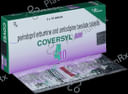
₹216.7
MRP ₹264.2
Amlodipine 10mg + Perindopril erbumine 4mg
₹216.7
MRP ₹264.2
Amlodipine 5mg + Perindopril erbumine 4mg
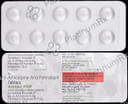
₹187
₹65.2
MRP ₹130.3
Amlodipine 5mg + Indapamide 1.25mg + Perindopril erbumine 4mg
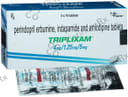
₹197
MRP ₹240.2
Amlodipine 5mg + Perindopril erbumine 8mg

₹227.8
MRP ₹277.8
Amlodipine 5mg + Perindopril erbumine 4mg
₹95
₹65.2
MRP ₹130.3
Amlodipine 5mg + Perindopril erbumine 4mg
₹65.2
MRP ₹130.3
Amlodipine 5mg + Indapamide 1.25mg + Perindopril erbumine 4mg
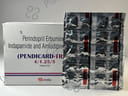
₹206
₹197
MRP ₹240.2
Amlodipine 5mg + Perindopril erbumine 4mg
₹178.1
₹65.2
MRP ₹130.3
Amlodipine 5mg + Perindopril erbumine 4mg
₹126.6
₹65.2
MRP ₹130.3