


More About Albumin
Quick Summary
Albumin (Human) is an intravenous (IV) colloid solution containing purified human serum albumin, which is the most abundant plasma protein. It is used to restore circulating blood volume in conditions such as hypovolaemia (low blood volume), hypoalbuminaemia (low albumin levels in blood), large-volume paracentesis (removal of fluid from the abdominal cavity) in people with cirrhotic ascites (swelling in the abdomen due to liver disease), spontaneous bacterial peritonitis (inflammation of tissue lining the abdomen), hepatorenal syndrome (severe kidney dysfunction), and burns. Albumin pulls fluid from the tissues back into the blood vessels, improving plasma volume and tissue perfusion.
Detailed Description
Human albumin is a sterile, heat-treated protein solution prepared from pooled human plasma. It is supplied in 5%, 20%, and 25% strengths. The higher concentrations of albumin are hyperoncotic, which means they draw fluid into the vascular space, while 5% is iso-oncotic with normal plasma, so it expands blood volume roughly equal to the amount infused. Albumin makes up about half of total plasma protein and accounts for roughly 70 to 80% of plasma colloid osmotic pressure. It also transports bilirubin, fatty acids, hormones, calcium, and many drugs.
Clinically, albumin is used in the emergency treatment of hypovolaemia with or without shock, in the prevention of post-paracentesis circulatory dysfunction in cirrhosis, in spontaneous bacterial peritonitis, in hepatorenal syndrome, and as adjunctive therapy in severe hypoalbuminaemia, ovarian hyperstimulation syndrome (OHSS, complication of fertility treatments), and adult respiratory distress syndrome (ARDS), which causes fluid buildup in lungs and low blood oxygen levels. It is most effective in well-hydrated patients, since its volume-expanding effect depends on having interstitial fluid available to draw into circulation. Albumin is administered only by qualified clinicians, with dose, rate, and concentration tailored to the indication and the patient's haemodynamic status.
Uses of Albumin
Hypovolaemia and shock
Restoration of blood volume, especially when crystalloids alone are insufficient to provide the required results.
Severe hypoalbuminaemia
To temporarily correct very low serum albumin in critically ill patients.
Cirrhotic ascites with large-volume paracentesis
To prevent the drop in blood pressure and circulatory problems that may occur after draining the abdominal fluid of patients with cirrhosis.
Spontaneous bacterial peritonitis (SBP)
As adjunctive therapy with antibiotics to lower renal failure risk and improve survival.
Hepatorenal syndrome (HRS)
With vasoconstrictors (agents that narrow blood vessels), to expand plasma volume and support renal perfusion.
Burns and selected cases of OHSS or ARDS
As supportive therapy after initial resuscitation.
Benefits of Albumin
- Rapidly increases plasma volume in the body and improves tissue perfusion in the case of hypovolaemia.
- Reduces post-paracentesis circulatory dysfunction in cirrhotic ascites.
- Improves survival in spontaneous bacterial peritonitis with antibiotics.
- Helps preserve renal function in hepatorenal syndrome (kidney failure in people with severe liver disease) alongside vasoconstrictor therapy.
- Free of red cell antigens, so no blood-group cross-matching is needed.
Side Effects of Albumin
Common:
- Mild flushing, urticaria (hives), or rash
- Low-grade fever or chills
- Nausea, transient hypotension (low blood pressure) or tachycardia (rapid heart rate) during infusion
Uncommon:
- Headache, vomiting
- Hypertension (high blood pressure) after rapid infusion of hyperoncotic solutions
Serious side effects requiring immediate attention:
- Anaphylactic reactions, including bronchospasm (narrowing of airways) and severe hypotension
- Pulmonary oedema (fluid buildup in your lungs) and circulatory overload, especially in cardiac or renal compromise
- Electrolyte disturbances such as hypocalcaemia (low blood calcium levels) and dilutional hyponatraemia (low sodium levels)
Directions for Use
Albumin is given through the veins (intravenously) by a healthcare professional in a clinical setting. Therefore, the concentration, dose, and rate of the medication depend on the indication, body weight, and serum albumin level of the patient. However, the daily dose should generally not exceed 2 g per kg body weight. Hyperoncotic solutions must not be diluted with sterile water for injection, as this causes haemolysis. Patients are monitored for fluid overload, hypersensitivity, and electrolyte imbalance during and after infusion.
How it works
Albumin is a 66.5 kDa (kilodalton) plasma protein that does not normally cross the healthy capillary wall. Because albumin remains within the blood vessels, it creates a pulling force (colloid osmotic pressure) that counteracts the pressure pushing fluid out of the capillaries. This pulling force draws fluid from the surrounding tissues back into the bloodstream, increasing blood volume, improving blood return to the heart, boosting the heart's output, and enhancing blood flow to the tissues.
In patients with cirrhotic ascites (fluid buildup in the peritoneal cavity, resulting in a swollen belly) and large-volume paracentesis, albumin acts against the rapid drop in circulating volume that follows fluid removal. This act prevents activation of the renin–angiotensin–aldosterone system (RAAS) and renal hypoperfusion (reduced blood flow to the kidneys). If RAAS gets activated, it can set off a chain leading to acute kidney injury, HRS, hyponatremia, recurrent ascites, and increased mortality
In sepsis and inflammation, the capillaries become leakier, so some albumin escapes from the bloodstream. This means its volume-boosting effect doesn't last as long as it would in non-inflammatory causes of hypovolaemia. Albumin also acts as a carrier for drugs and natural body substances, and helps protect against oxidative damage in the blood.
Safety Advice for Albumin

Allergy
Unsafe
Contraindicated in known severe hypersensitivity to albumin preparations or any component.

Breastfeeding
Limited information
Albumin is a normal plasma constituent and is unlikely to harm a breastfed infant when clinically indicated.

Pregnancy
Limited information
Use only if clearly needed and under specialist supervision.

Driving
Limited information
Not associated with effects on driving once the infusion is complete.

Alcohol
Limited information
No specific interaction reported, but alcohol is generally inadvisable in the conditions for which albumin is given.

Liver
Caution
Frequently used in advanced liver disease, but volume status must be monitored to avoid pulmonary oedema and electrolyte imbalance.

Kidney
Caution
Use carefully in oliguric or anuric renal failure due to the risk of fluid overload.

Children
Limited information
Use only when clearly indicated.

Elderly patients
Caution
More vulnerable to circulatory overload and electrolyte shifts.
Drug-Food Interaction
- No clinically significant food interactions, as albumin is given intravenously.
- Alcohol (CAUTION): Not a direct drug interaction, but alcohol may worsen the underlying conditions (cirrhosis, hepatorenal syndrome) for which albumin is prescribed.
Interactions with Other Drugs
- ACE inhibitors (CAUTION): Simultaneous administration has been linked to atypical reactions, including flushing and hypotension.
- Sterile water for injection (UNSAFE): Do not dilute hyperoncotic albumin with sterile water as this causes haemolysis (destruction of red blood cells) and acute kidney injury.
- Highly protein-bound drugs (CAUTION): Albumin can temporarily change the free fraction of drugs (not bound to plasma proteins) such as warfarin and phenytoin. However, the clinical impact is usually limited.
- Loop diuretics (BENEFICIAL): In hypoalbuminaemia and acute nephrosis, combined use can enhance diuresis.
Drug-Disease Interactions
- Severe anaemia or cardiac failure with normal/increased intravascular volume (Contraindicated): Risk of pulmonary oedema
- Pulmonary oedema or fluid overload (Caution): May worsen interstitial lung fluid.
- Severe renal impairment with oliguria (Caution): Risk of volume overload, hence close monitoring is required.
- Traumatic brain injury (Caution): Some evidence of increased mortality with albumin compared to saline, hence, it is generally avoided as a resuscitation fluid.
Overdose
Excessive infusion can cause circulatory overload, resulting in hypertension, tachycardia, raised central venous pressure, pulmonary congestion and frank pulmonary oedema (severe stage) along with dilutional electrolyte disturbances. Management includes stopping the infusion immediately, positioning the patient upright, giving oxygen, and using diuretics or other haemodynamic measures under specialist care.
What If You Forget to take Albumin?
Albumin is not self-administered and is given only as part of an inpatient or supervised infusion protocol. Doses are scheduled and managed by your treating team, who will adjust timing if an infusion is delayed. Patients and caregivers should not attempt to manage albumin dosing independently.
References
Fact Box
Therapeutic Class
Action Class
Plasma volume expander (colloid)/ oncotic agent/ plasma protein replacement
Chemical Class
Human plasma-derived protein; single-chain non-glycosylated polypeptide
Habit Forming
No
Checkout Editorial Policy
Albumin in other salts
Top Selling Medicines
Top Health Products
Top Selling Devices
Related Medications

Albumin 5% w/v
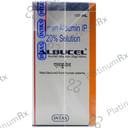
₹3,390.3
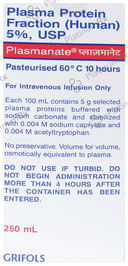
₹6,446
MRP ₹7,860.9
Albumin 20% w/v
₹7,000

₹5,700
MRP ₹7,600
Albumin 20% w/v
₹5,999
₹5,700
MRP ₹7,600
Albumin 20% w/v
₹4,898.4
₹5,700
MRP ₹7,600
Albumin 20% w/v
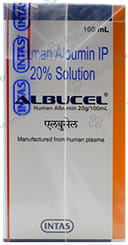
₹7,986
₹5,700
MRP ₹7,600
Albumin 20% w/v
₹3,691.9
₹5,700
MRP ₹7,600
Albumin 20% w/v
₹6,806.3
₹5,700
MRP ₹7,600
Albumin 20% w/v

₹9,747.9
₹5,700
MRP ₹7,600
Albumin 20% w/v
₹6,843.8
₹5,700
MRP ₹7,600
Albumin 900mg + Paclitaxel 100mg
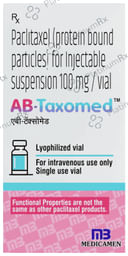
₹5,653.1
₹5,400
MRP ₹10,800
Albumin 20% w/v
₹5,454
₹5,700
MRP ₹7,600
Albumin 20% w/v
₹5,218.5
₹5,700
MRP ₹7,600
Albumin 20% w/v
₹5,600
₹5,700
MRP ₹7,600
Albumin 900mg + Paclitaxel 100mg
₹1,242.2
₹5,400
MRP ₹10,800
Albumin 20% w/v
₹5,000
₹5,700
MRP ₹7,600
Albumin 20% w/v
₹7,667
₹5,700
MRP ₹7,600
Albumin 20% w/v
₹9,341
₹5,700
MRP ₹7,600
Albumin 20% w/v
₹3,500
₹5,700
MRP ₹7,600
Albumin 20% w/v
₹8,651.5
₹5,700
MRP ₹7,600
Albumin 20% w/v
₹6,605
₹5,700
MRP ₹7,600
Albumin 900mg + Paclitaxel 100mg
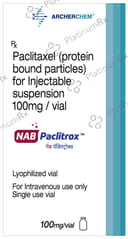
₹12,169.4
₹5,400
MRP ₹10,800
Albumin 20% w/v
₹4,999
₹5,700
MRP ₹7,600
Albumin 5% w/v
₹8,385
₹6,446
MRP ₹7,860.9
Albumin 100mg
₹10,781.3

Albumin 10%
₹4,232.8