


More About Aceclofenac + Pregabalin
Quick Summary
Aceclofenac + Pregabalin is a prescription-only fixed-dose combination of two medicines: aceclofenac, a non-steroidal anti-inflammatory drug (NSAID) that brings down pain and swelling, and pregabalin, a medicine that calms overactive pain signals coming from damaged nerves. It is used in adults whose pain has both a tissue-inflammation part and a nerve-pain part, such as long-standing low back pain with nerve involvement. Both ingredients are known by the same generic names in India and abroad. Aceclofenac + Pregabalin is not a household painkiller for everyday aches, and it should be taken only on a doctor's prescription.
Detailed Description
The two ingredients in Aceclofenac + Pregabalin work at different points in the pain pathway, which is why they are combined rather than used one at a time.
Aceclofenac is a phenylacetic acid NSAID. It blocks an enzyme called cyclooxygenase (COX), which the body uses to make prostaglandins, the chemicals that set off pain, heat and swelling at an injured joint or muscle. Aceclofenac is selective for the COX-2 form of the enzyme over COX-1, and studies in people with osteoarthritis have shown it lowers prostaglandin E2 levels in the fluid around inflamed joints and reduces COX-2 protein in joint tissue.
Pregabalin acts on the nervous system rather than on inflammation. It is an anticonvulsant that reduces the number of pain signals sent out by damaged nerves, and it is used on its own for nerve pain from diabetes, pain after shingles, fibromyalgia and nerve pain after spinal cord injury. Where aceclofenac addresses the aching, swollen side of a problem such as an arthritic knee, pregabalin addresses the shooting, burning or tingling side that comes from irritated nerves.
That pairing is the reason a doctor may choose Aceclofenac + Pregabalin. A single product covers both parts of a mixed pain problem, which is simpler to take than two separate medicines with separate schedules. Aceclofenac has been studied most often in osteoarthritis, rheumatoid arthritis, ankylosing spondylitis and low back pain, and it is generally tolerated better by the stomach than several older NSAIDs such as naproxen, piroxicam and indomethacin.
Because both ingredients are active medicines with real risks, Aceclofenac + Pregabalin is meant to be used under medical supervision, at the lowest strength that helps for the shortest time it is needed. Aceclofenac can affect the stomach, kidneys and heart, and pregabalin can cause sleepiness, swelling of the legs and, rarely, serious allergic reactions or breathing problems. Your doctor will weigh these against the benefit of pain relief and review how you are doing rather than leave you on the combination indefinitely.
Composition
Aceclofenac + Pregabalin contains two active ingredients in one tablet or capsule.
- Aceclofenac belongs to the NSAID group and is a phenylacetic acid derivative. When taken on its own, it has usually been given to adults as 100 mg twice a day in the clinical studies that tested it.
- Pregabalin belongs to the anticonvulsant group and is also described as a gabapentinoid. On its own, NHS guidance gives the usual adult daily amount as between 150 mg and 600 mg, split into two or three separate doses, built up gradually from a low starting amount.
Combination products are made in more than one strength, so the amounts of aceclofenac and pregabalin in your medicine are printed on the strip, bottle or carton and on your prescription. Read that rather than assume, and never take a different product believing it is the same. Aceclofenac + Pregabalin also contains inactive ingredients that hold the tablet together and give it its coating, and these can differ between manufacturers.
Uses of Aceclofenac + Pregabalin
Aceclofenac and pregabalin are each used for particular problems, and the combination is prescribed for adults whose pain has both an inflammatory and a nerve-pain component.
- Aching, swollen joints and muscles. Aceclofenac relieves pain and inflammation in osteoarthritis, rheumatoid arthritis and ankylosing spondylitis, and in low back pain and other musculoskeletal pain.
- Nerve pain. Pregabalin is used for nerve pain caused by diabetes, nerve pain that follows shingles, nerve pain after a spinal cord injury, and fibromyalgia.
- Mixed pain problems. Doctors choose this combination when inflamed tissue and irritated nerves are both contributing, for example chronic low back pain with sciatica.
- Not a use of this product - pregabalin alone for epilepsy. Pregabalin is also used alongside other medicines in some types of epilepsy, but the aceclofenac in Aceclofenac + Pregabalin plays no part in seizure control, so this combination is not used for that purpose. Whether pregabalin for epilepsy applies to you is a decision for your treating doctor.
Aceclofenac + Pregabalin is not a treatment for a headache, a fever or a one-off sports injury, and it does not repair the underlying cause of your pain.
Benefits of Aceclofenac + Pregabalin
- Two kinds of pain relief in one product. Aceclofenac works on inflammation and swelling, while pregabalin works on the nerve signals that carry pain. Together they cover a mixed pain problem with one prescription instead of two.
- Targets the swollen, tender part of pain. Aceclofenac blocks cyclooxygenase and lowers the prostaglandins that make a joint hot, swollen and sore.
- Settles irritated nerves. Pregabalin reduces the number of pain signals sent by damaged nerves, which is the part of pain that feels like burning, tingling or electric shocks.
- Fewer tablets to remember. Because both ingredients are in a single tablet or capsule, there are fewer separate timings to keep track of, which helps people stay with their treatment.
- Aceclofenac is easier on the stomach than several older NSAIDs. Pooled trial data found roughly a third fewer stomach-related side effects with aceclofenac than with the comparator NSAIDs it was tested against.
- No liver breakdown to worry about with pregabalin. Pregabalin is cleared from the body mostly unchanged by the kidneys and does not rely on liver enzymes, so it is unlikely to be affected by other medicines that are processed by the liver.
Side Effects of Aceclofenac + Pregabalin
Common Side Effects (Usually Mild and may lessen with continued use)
- Sleepiness and dizziness. In adult trials of pregabalin, dizziness was reported by about 30 in 100 people and sleepiness by about 23 in 100, compared with 8 in 100 people taking dummy tablets. These were the side effects most likely to make people stop treatment.
- Dry mouth, blurred vision, weight gain and trouble concentrating. A gain of 7 percent or more of body weight was seen in about 9 in 100 people taking pregabalin, compared with 2 in 100 on dummy tablets.
- Swelling of the hands, legs and feet. This is called peripheral oedema and was reported by about 6 in 100 people taking pregabalin, compared with 2 in 100 on dummy tablets.
- Stomach upset from aceclofenac. Indigestion, stomach pain, nausea and loose motions are the most frequent problems. In a pooled analysis of four trials, stomach side effects were about 31 percent lower with aceclofenac than with the comparison NSAID.
- Headache, dizziness and a rise in liver enzymes. These have been reported with aceclofenac, usually as mild changes picked up on a blood test.
- Mood changes, memory problems and unsteadiness. These are recognised effects of pregabalin. If they persist or are troubling, your doctor may lower the amount or change the timing rather than stop the medicine.
Serious Side Effects (Seek Urgent Medical Attention)
- Angioedema. This is sudden, deep swelling of the face, mouth, lips, gums, tongue, throat or neck. It can block the airway and is a medical emergency. Stop Aceclofenac + Pregabalin and get help at once if it happens, even if you have never had an allergic reaction before.
- Serious breathing problems, called respiratory depression. Pregabalin can slow breathing, especially when taken with opioid painkillers, sleeping tablets or other sedating medicines, or if you already have a breathing problem. Warning signs are unusual sleepiness, slow or shallow breathing, confusion, or a bluish tinge to the lips, skin or fingernails.
- Suicidal thoughts or actions. Anticonvulsant medicines including pregabalin increase the risk of thoughts of self-harm. In trials of these medicines, about 4 in 1,000 people taking them for any reason (0.43%) had thoughts of harming themselves or behaved in a way that could harm them, compared with about 2 in 1,000 people taking dummy tablets (0.24%) - roughly one extra case for every 530 people treated. The higher risk was seen as early as the first week after starting. Tell someone and contact a doctor straight away if your mood changes or you have thoughts of harming yourself.
- Rhabdomyolysis. This is a rare but serious condition in which muscle tissue breaks down. Report unexplained muscle pain, tenderness or weakness promptly, particularly if it comes with fever or dark-coloured urine.
- Stomach bleeding or a peptic ulcer from aceclofenac. This can be severe and is more likely in older people. Black tarry stools or vomit that looks like coffee grounds need emergency care.
- Heart attack or stroke. NSAIDs including aceclofenac can raise the risk of these events, particularly at higher doses and with long-term use.
- Kidney problems. A rise in blood urea or creatinine has been reported with aceclofenac, and NSAIDs can reduce kidney function.
- Sudden changes in eyesight, chest pain, a heartbeat that is much faster or slower than usual, fainting, or passing much less urine. These need medical assessment without delay.
Directions for Use
Aceclofenac + Pregabalin is swallowed, never injected, and it is taken in the amount and at the times your prescription sets out.
- Take it with or just after food. A meal in the stomach lowers the chance of indigestion and stomach pain from the aceclofenac. Swallow the tablet or capsule with a full glass of plain water.
- Keep the tablet whole. Do not crush, chew, break or open it, because that changes how quickly the two ingredients are released and absorbed.
- Stay upright for a few minutes. Sit or stand rather than lying down straight after a dose, and avoid taking it with very hot drinks.
- Keep to the same times each day. Pregabalin works best when the amount in your body stays steady, so space the doses evenly through the day and take them the same way each day, whether that is with breakfast and dinner or at the times your prescription states.
- Follow the course your doctor has planned. Do not stop early because you feel better, and do not keep going for longer than prescribed without a review. If you want to stop, ask your doctor first, because the pregabalin has to be reduced gradually.
- Tell your doctor if the medicine makes you sleepy during the day. They may be able to change the timing of your doses rather than the total amount.
- Do not share it with family or friends, even if their pain sounds similar to yours.
- If you have been given a once-daily slow-release product, follow the timing on your own label, which is usually after the evening meal.
How it works
The two ingredients lower pain in different ways, which is what makes the combination useful for pain that has more than one cause.
Aceclofenac: less inflammation, less pain. When tissue is injured or a joint is inflamed, the body makes chemicals called prostaglandins using an enzyme called cyclooxygenase. Prostaglandins are what make an area feel sore, hot and swollen, and they also sensitise nerve endings so that even a light touch hurts. Aceclofenac attaches to cyclooxygenase and slows it down, so fewer prostaglandins are made. It is selective for the COX-2 form of the enzyme, which is the form switched on by inflammation, while sparing much of the COX-1 form that protects the stomach lining. Studies in people with osteoarthritis show it lowers prostaglandin E2 in the fluid inside affected joints and reduces COX-2 protein in joint tissue. Aceclofenac is broken down in the body into related compounds that include 4'-hydroxyaceclofenac and, as minor metabolites, diclofenac and 4'-hydroxy diclofenac. Because aceclofenac is so closely related to diclofenac, regulators assess the heart and circulation safety of the two together, and the heart and circulation contraindication that applies to diclofenac-containing medicines applies to aceclofenac as well.
Pregabalin: calmer nerve signals. Damaged or over-sensitive nerves fire far more often than healthy ones, and that is what produces burning, tingling, shooting or electric-shock pain. Pregabalin attaches to a docking point called the alpha-2-delta subunit on calcium channels in the brain and spinal cord. Blocking that docking point reduces the amount of calcium that flows into the nerve cell, which in turn reduces the release of the chemical messengers that carry pain signals onward. The result is fewer pain signals reaching the brain. Pregabalin does not act on the same pain pathways as paracetamol or NSAIDs, and it is not an opioid.
Why the two are combined. Aceclofenac reduces the inflammation that keeps nerve endings irritated, and pregabalin reduces the nerve firing itself. In pain that is partly inflammatory and partly nerve-driven, treating only one side often leaves the other untreated.
Safety Advice for Aceclofenac + Pregabalin

Allergy
Limited information
Do not take Aceclofenac + Pregabalin if you have ever had an allergic reaction to aceclofenac, to any other NSAID such as ibuprofen, diclofenac or aspirin, or to pregabalin. Also do not take it if you have ever had an asthma attack, hives or another allergic reaction after taking aspirin or another NSAID, because in some people with asthma these medicines can bring on severe breathing difficulty. Stop the medicine and get help at once if you develop swelling of the face, lips, tongue or throat, a rash, hives or blisters, or difficulty breathing. Pregabalin can cause sudden deep swelling, called angioedema, even in someone who has never reacted to a medicine before.

Pregnancy
Limited information
Talk to your doctor before taking Aceclofenac + Pregabalin if you are pregnant, think you may be, or are planning a pregnancy. NSAIDs such as aceclofenac are not to be used from 20 weeks of pregnancy unless a doctor specifically advises it, because they can reduce the fluid around the baby and affect the baby's kidneys, and they should be avoided after 30 weeks because of the risk of heart changes in the baby. Pregabalin has been linked to a possible small increase in the overall rate of major birth defects in observational data, and use close to delivery may cause withdrawal effects in a newborn. If you are a man taking Aceclofenac + Pregabalin and your partner could become pregnant, tell your doctor. In animal studies, pregabalin made male animals less fertile and caused changes in their sperm, and birth defects were seen in the offspring of male animals. It is not known whether these effects happen in people. Because of these risks to an unborn baby, this combination is not used in pregnancy unless there is a clear reason. Do not start or stop it on your own if you find you are pregnant, and ask your doctor to review your treatment promptly.

Breastfeeding
Limited information
Small amounts of pregabalin are found in breast milk, and breastfeeding is not recommended while taking it because of a tumour finding in animal studies. Ask your doctor to weigh the benefits and risks for you and your baby before you start Aceclofenac + Pregabalin, and tell them if you are already breastfeeding.

Alcohol
Limited information
Do not drink alcohol while taking Aceclofenac + Pregabalin. Alcohol adds to the sleepiness and dizziness that pregabalin causes, and when the two were given together in studies people were less alert and less coordinated. Guidance for pregabalin is to avoid alcohol during treatment.

Driving
Limited information
Aceclofenac + Pregabalin can make you sleepy, dizzy and unsteady, so do not drive, ride a cycle or use machinery until you know how it affects you. In adult trials dizziness affected about 30 in 100 people taking pregabalin and sleepiness about 23 in 100, against 8 in 100 on dummy tablets. Be extra careful in the first few days and after any increase in strength.

Kidney
Limited information
Tell your doctor if your kidneys do not work well. Pregabalin is removed from the body mostly unchanged by the kidneys, so the amount used has to be reduced when kidney function is poor, based on a creatinine clearance blood test. The kidney clearance of pregabalin also falls with age. Aceclofenac, like other NSAIDs, can reduce kidney function further, and rises in blood urea and creatinine have been reported with it. Ask your doctor whether your kidney function should be checked before and during treatment.

Liver
Limited information
Tell your doctor if you have any liver problem. Aceclofenac can raise liver enzyme levels, and liver-related side effects are reported more often with diclofenac, the NSAID it is most closely related to. Report yellowing of the eyes or skin, dark urine, severe tiredness, or pain in the upper right side of the abdomen.

Children
Limited information
Do not give Aceclofenac + Pregabalin to children or teenagers. UK guidance is that pregabalin is only suitable for adults and should not be given to anyone under 18. The US label allows pregabalin in children from one month of age only as add-on treatment for certain seizures, not for nerve pain or fibromyalgia, and the aceclofenac in this product has no place in treating children.

Elderly patients
Limited information
Older adults are more likely to develop stomach bleeding, kidney problems and confusion from NSAIDs, and serious intestinal problems from NSAIDs are seen mainly in this age group. Regular monitoring for stomach bleeding and kidney problems is advised during NSAID treatment in older people. Pregabalin is cleared more slowly as kidney function falls with age, so a lower amount may be needed, and UK guidance notes that it might not be suitable for people older than 65. If you are over 65, ask your doctor to review your treatment regularly.
Quick Tips for Aceclofenac + Pregabalin
- Take it at the same times each day, with or just after food, and swallow it whole with plain water.
- Do not crush, chew, break or open the tablet or capsule.
- Keep a written list of everything you take, including other painkillers, supplements and herbal products, and show it at every appointment.
- Do not take Aceclofenac + Pregabalin if you have heart failure, have ever had a heart attack or a stroke, have narrowing of the arteries in your legs, or reduced circulation to your brain. Tell your doctor, because this medicine is not suitable for people with these conditions and your treatment needs to be changed.
- Do not add a second NSAID such as ibuprofen, naproxen or aspirin on top of Aceclofenac + Pregabalin without asking your doctor first.
- Rise slowly from a sitting or lying position while you are getting used to the medicine, since dizziness and unsteadiness are common at the start.
- Weigh yourself now and then, and tell your doctor if your feet, ankles or legs start to swell or your weight climbs quickly.
- Watch your mood. If you feel low, anxious, agitated or have thoughts of harming yourself, tell your doctor straight away.
- Never stop the medicine suddenly. Pregabalin has to be reduced gradually, over at least a week, to avoid withdrawal effects.
- Keep the strip or bottle in its original packaging with the label readable.
- Keep up gentle activity and any physiotherapy your doctor recommends, and keep your review appointments so your doctor can check whether you still need Aceclofenac + Pregabalin.
- Set a phone alarm if you tend to forget doses, and never take two doses together to catch up.
navigation_tabs.precautions_for
- Take Aceclofenac + Pregabalin exactly as prescribed, with or just after food, and swallow it whole with plain water.
- Do not stop it suddenly. Pregabalin must be reduced gradually, over at least a week, and coming off it abruptly can cause insomnia, nausea, headache, anxiety, sweating and diarrhoea, and can make seizures more frequent in people with epilepsy.
- Do not start any new medicine, supplement or herbal product without checking with your doctor or pharmacist first.
- Avoid alcohol for as long as you are taking this medicine.
- Do not drive or operate machines until you are sure the medicine does not make you sleepy or unsteady.
- Tell your doctor before any surgery, dental procedure or test, and before starting any new treatment.
- Do not take Aceclofenac + Pregabalin if you have heart failure, have ever had a heart attack or a stroke, have narrowing of the arteries in your legs, or have reduced circulation to your brain. Tell your doctor about these conditions so that your treatment can be changed to one that is safer for you.
- Tell your doctor if you have heart, kidney, liver or breathing problems, diabetes, a bleeding problem, or a history of stomach ulcers, or if you have ever misused medicines or alcohol.
- Tell your doctor if you are pregnant, planning a pregnancy, or breastfeeding.
- Do not share your medicine with anyone else, even if their pain sounds similar to yours.
- Keep every review appointment, and have any blood tests your doctor asks for, so that kidney and liver function can be checked.
- Tell your doctor if the pain is not improving after a reasonable period, so the plan can be reconsidered rather than continued automatically.
Storage Advice
Keep Aceclofenac + Pregabalin in the container it came in, tightly closed, and store it at room temperature. For pregabalin, the label storage statement is 25 degrees Celsius (77 degrees Fahrenheit), with brief excursions permitted between 15 degrees Celsius (59 degrees Fahrenheit) and 30 degrees Celsius (86 degrees Fahrenheit). For the aceclofenac part of the product, follow the storage condition printed on your own pack, as this differs between manufacturers.
Keep it away from direct sunlight, heat and moisture. Do not keep it in the bathroom, near a cooking range, or in a car, where heat and damp can spoil it. Do not remove the desiccant if one is present in the container.
Keep Aceclofenac + Pregabalin out of the sight and reach of children and pets. Store it separately from food and from pet medicines.
Do not use it after the expiry date printed on the pack. Do not flush leftover medicine down the toilet or throw it into household waste. Return unused or expired medicine to a pharmacy or a medicine take-back collection point so that it is disposed of safely.
Drug-Food Interaction
- Food in general. Pregabalin can be taken with or without food, and food does not meaningfully change how much of it reaches the bloodstream. What matters more is that you take it in the same way each day, so the amount in your body stays steady.
- A meal before aceclofenac. Taking the tablet with or just after food lowers the chance of indigestion and stomach pain. Try not to take it on a completely empty stomach.
- Extended-release pregabalin products. Some pregabalin products are made to release slowly and are taken once a day after the evening meal. If you have been given one of those, follow the timing on your own label, since it differs from ordinary capsules.
- Alcohol. Avoid alcohol completely while taking Aceclofenac + Pregabalin. It increases the sleepiness and dizziness from pregabalin, and studies show the combination reduces alertness and coordination.
- Water, not other drinks. Swallow the tablet with a full glass of plain water and stay upright for a few minutes afterwards. Avoid taking it with very hot drinks.
- Grapefruit and fruit juices. These are not known to change how aceclofenac or pregabalin behave, so no specific restriction applies.
- Caffeine. Caffeine does not interact with either ingredient, but it can add to any jitteriness or difficulty sleeping you notice, so keep tea, coffee and energy drinks moderate in the evening.
Interactions with Other Drugs
- Opioid painkillers (morphine, tramadol, codeine, fentanyl, tapentadol). Pregabalin and opioids together can cause serious, life-threatening or fatal slowing of breathing, and postmarketing reports describe this. If both are needed, your doctor should use the lowest amounts and watch you closely for sleepiness and shallow breathing.
- Benzodiazepines and other sedatives (diazepam, lorazepam, alprazolam, zolpidem, zopiclone). These add to the sedating effect of pregabalin. In studies, pregabalin with lorazepam or with oxycodone reduced alertness and coordination more than either medicine alone.
- Alcohol. Covered with the sedating medicines for the same reason, and best avoided entirely.
- Other NSAIDs (ibuprofen, naproxen, diclofenac, ketoprofen). Taking two NSAIDs together adds to the risk of stomach bleeding and kidney strain without adding much pain relief. Do not combine them unless your doctor has specifically told you to.
- Anticoagulants and antiplatelet medicines (warfarin, acenocoumarol, aspirin, clopidogrel). NSAIDs such as aceclofenac increase the risk of bleeding or ulceration when used with these medicines.
- Corticosteroids (prednisolone, dexamethasone). The risk of stomach bleeding or ulceration rises when an NSAID is used with a systemic corticosteroid.
- SSRI antidepressants (fluoxetine, sertraline, escitalopram, paroxetine). These increase the risk of gastrointestinal bleeding when taken with an NSAID.
- Methotrexate. NSAIDs can raise methotrexate levels in the blood and increase its toxicity. This combination needs close supervision if methotrexate is also prescribed.
- Thiazolidinedione diabetes medicines (pioglitazone). When taken with pregabalin, these were linked to higher rates of swelling and weight gain.
- Blood pressure and heart medicines, and water tablets (diuretics). NSAIDs can work against these medicines and add to kidney strain. Bring your full medicine list to every appointment so your prescriber can check for problems.
- Epilepsy medicines (carbamazepine, valproate, lamotrigine, phenytoin, phenobarbital, topiramate). Pregabalin has not shown significant interactions with these medicines in studies.
- Lithium and digoxin. These are examples of medicines that need caution alongside NSAID treatment - your doctor may check levels of them in your blood. Tell your prescriber about all medicines and supplements, including herbal products, before you start.
Drug-Disease Interactions
- Heart disease, a previous heart attack or stroke, heart failure, or narrowed leg arteries. NSAIDs can raise the risk of heart attack and stroke, and the risk is greater at higher doses and with long treatment. Do not take Aceclofenac + Pregabalin if you have ever had a heart attack or a stroke, if you have heart failure, narrowing of the arteries in your legs (peripheral arterial disease), or problems with the circulation to your brain (cerebrovascular disease). This is the same heart and circulation contraindication that applies to diclofenac-containing medicines, because aceclofenac is broken down in the body into compounds that include diclofenac. Aceclofenac is not safe for people with these conditions, and it should be swapped for another treatment. Tell your doctor if any of these apply to you before taking another dose. Pregabalin can also cause swelling of the legs, which matters if you have heart failure.
- Stomach or duodenal ulcer, or a previous bleed from the gut. NSAIDs raise the risk of ulcers and bleeding, and this risk is higher again if you have had either before. Your doctor may avoid this combination, or add stomach protection and review you more often.
- Kidney disease, dehydration, or a single working kidney. NSAIDs reduce blood flow inside the kidney and can worsen kidney function. Pregabalin also depends on the kidneys to leave the body, so poor kidney function means it can build up. Both parts of Aceclofenac + Pregabalin need extra care in kidney disease.
- Liver disease. Aceclofenac can raise liver enzymes. Your doctor may want blood tests before and during treatment if you have a liver condition or a history of heavy alcohol use.
- Breathing problems such as COPD, sleep apnoea, or asthma, including asthma brought on by aspirin or another NSAID. Pregabalin can slow breathing, and the risk is higher in people whose breathing is already impaired, and much higher if an opioid is also used. The aceclofenac part matters here too, because in people whose asthma is triggered by aspirin or another NSAID these medicines can bring on severe breathing difficulty.
- Epilepsy. Do not stop Aceclofenac + Pregabalin suddenly, because pregabalin withdrawal can make seizures more frequent. If you take it as part of seizure treatment, keep doses regular and talk to your doctor before any change.
- Diabetes. Pregabalin can affect blood sugar control, so check your levels more often in the first few weeks of treatment and report unexpected readings. Pregabalin has also caused skin sores in animal studies, so keep an eye on your feet and skin, which matters more if you have diabetes.
- Bleeding disorders or a low platelet count. Pregabalin can lower the platelet count slightly, and NSAIDs affect the way platelets work, so bleeding risk goes up. Mention any bleeding tendency or platelet problem to your doctor.
- A history of drug, alcohol or medicine misuse. Pregabalin can be habit forming, and misuse is more likely in people who have misused medicines or alcohol before. Tell your doctor so they can monitor your treatment.
- Older age. The risk of stomach bleeding, kidney problems and confusion from NSAIDs is highest in older adults, who are also more likely to be taking several medicines at once.
Daily Dose
Aceclofenac + Pregabalin is a prescription medicine, and the amount you take is set by your doctor after looking at your pain, your other conditions, your kidney function and the other medicines you take. The information below describes the usual ranges reported in the medical literature and in national guidance for the two ingredients. It is not a plan for you to follow on your own.
- Aceclofenac alone has usually been given to adults as 100 mg twice a day in the clinical studies that assessed it in osteoarthritis.
- Pregabalin alone is commonly started at a low amount and increased every few days. NHS guidance gives the usual adult daily amount as between 150 mg and 600 mg, split into two or three separate doses, and the daily total is usually kept within that range.
Do not change the number of tablets, the strength or the timing on your own, and do not take more than your doctor has prescribed in 24 hours. If you forget whether you have taken a dose, wait for the next one rather than taking an extra. If you feel the amount is not right, or you are still in pain, ask your doctor to review it instead of adjusting it yourself.
Overdose
Taking too much Aceclofenac + Pregabalin can cause heavy sleepiness, confusion or agitation, unsteadiness, slurred speech, a seizure, a heartbeat that is much slower or faster than usual, or passing out. The aceclofenac part can irritate the stomach and affect the kidneys, and a large overdose can cause vomiting, stomach pain or bleeding.
If you think someone has taken too much, get emergency medical help at once. Go to the nearest hospital emergency department or call an ambulance. Do not wait for symptoms to appear, and do not drive yourself or let the person drive. Take the pack or strip, any leftover medicine and a list of all other medicines with you so the treating team knows exactly what was taken. Do not try to make the person vomit.
What If You Forget to take Aceclofenac + Pregabalin?
If you miss a dose, take it as soon as you remember. If it is almost time for your next dose, skip the missed dose and carry on with your usual schedule.
Never take two doses at the same time, and never double an amount to make up for a missed one.
If you are taking Aceclofenac + Pregabalin as part of treatment for epilepsy, try hard not to miss doses, because missed doses can set off a seizure. A phone alarm, a pill organiser or a reminder from a family member can help.
If you are sick shortly after taking a dose, tell your doctor, because the medicine may not have been absorbed. If you miss doses often, mention it at your next appointment so your doctor can look at whether the timing or the prescription needs to change.
When to contact doctor
Contact your doctor or go to an emergency department straight away if you notice any of the following:
- Swelling of the face, lips, tongue, throat or neck, a tight throat, or difficulty breathing or swallowing.
- Thoughts of harming yourself or ending your life, or a sudden change in mood such as new or worse depression, anxiety, agitation or panic.
- Unusual sleepiness, slow or shallow breathing, confusion, or a bluish tinge to the lips, skin or fingernails.
- Unexplained muscle pain, tenderness, soreness or weakness, especially with fever or dark-coloured urine.
- Black tarry stools, vomit that looks like coffee grounds, or blood in vomit or stools.
- Severe or persistent stomach pain, indigestion that does not settle, or difficulty swallowing.
- Chest pain, breathlessness, swelling of the legs or feet that gets worse, or a sudden weight gain.
- A heartbeat that is much faster or slower than usual, or fainting or near-fainting.
- Passing much less urine than usual, or not passing urine at all.
- Yellowing of the eyes or skin, dark urine, or pain in the upper right side of the abdomen.
- A rash, hives, blisters or peeling skin.
- Sudden changes in eyesight, blurred vision that does not settle, or double vision.
- A seizure, or a change in the pattern of your seizures.
- Feeling unwell in a way that worries you or your family, even if you cannot name the symptom.
Also speak to your doctor before your next dose if:
- You have heart failure, have ever had a heart attack or a stroke, have narrowing of the arteries in your legs, or reduced circulation to your brain.
- You are pregnant, think you may be pregnant, or are planning a pregnancy.
References
Fact Box
Therapeutic Class
A non-steroidal anti-inflammatory drug (NSAID) combined with an anticonvulsant nerve-pain medicine
Action Class
A cyclooxygenase (COX) inhibitor combined with an alpha-2-delta calcium channel ligand
Chemical Class
Aceclofenac is a phenylacetic acid derivative; pregabalin is a gabapentinoid amino acid derivative
Habit Forming
Yes
Checkout Editorial Policy
Top Selling Medicines
Top Health Products
Top Selling Devices
Related Medications

Aceclofenac 100mg + Pregabalin 75mg
MRP ₹173.4
Aceclofenac 200mg + Pregabalin 75mg
MRP ₹73.1
Aceclofenac 200mg + Pregabalin 75mg

MRP ₹201.3
Aceclofenac 200mg + Pregabalin 75mg
MRP ₹67
Aceclofenac 200mg + Pregabalin 75mg
MRP ₹150
Aceclofenac 200mg + Pregabalin 75mg
MRP ₹119.1
Aceclofenac 200mg + Pregabalin 75mg
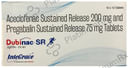
MRP ₹158.4
Aceclofenac 200mg + Pregabalin 75mg

MRP ₹264.2
Aceclofenac 200mg + Pregabalin 75mg
MRP ₹186.6
Aceclofenac 200mg + Pregabalin 75mg
MRP ₹130.3
Aceclofenac 200mg + Pregabalin 75mg
MRP ₹160.3
Aceclofenac 200mg + Pregabalin 75mg
MRP ₹159.4
Aceclofenac 200mg + Pregabalin 75mg
MRP ₹162.2
Aceclofenac 200mg + Pregabalin 75mg
MRP ₹178.1
Aceclofenac 200mg + Pregabalin 75mg
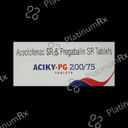
MRP ₹165.9
Aceclofenac 200mg + Pregabalin 75mg

MRP ₹186.6
Aceclofenac 200mg + Pregabalin 75mg
MRP ₹145.3
Aceclofenac 200mg + Pregabalin 75mg
MRP ₹164.1
Aceclofenac 200mg + Pregabalin 75mg
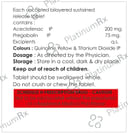
MRP ₹164.1
Aceclofenac 200mg + Pregabalin 75mg
MRP ₹173.4
Aceclofenac 200mg + Pregabalin 75mg
MRP ₹158.4
Aceclofenac 200mg + Pregabalin 75mg
MRP ₹150
Aceclofenac 200mg + Pregabalin 150mg

MRP ₹210
Aceclofenac 200mg + Pregabalin 75mg
MRP ₹157.5
Aceclofenac 100mg + Pregabalin 75mg
MRP ₹150