
100% Same

Salt CompositionEffectivenessStrength

68%

with Substitute Medicine

MoleculeSalt Composition in both
You Searched

You Searched

Omewel 20mg Capsule 10 Capsule

Omewel 20mg Capsule 10 Capsule

Wellgo Pharmaceuticals

Strip of 10 capsules

50

5 / Unit
Our Recommendation

Our Recommendation

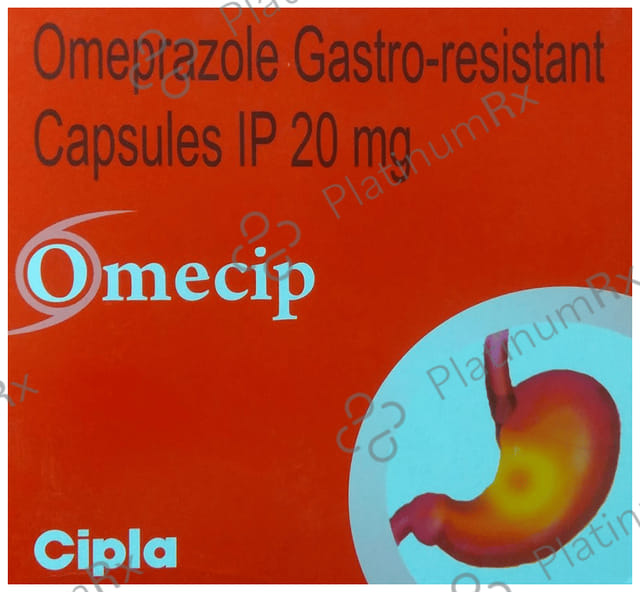
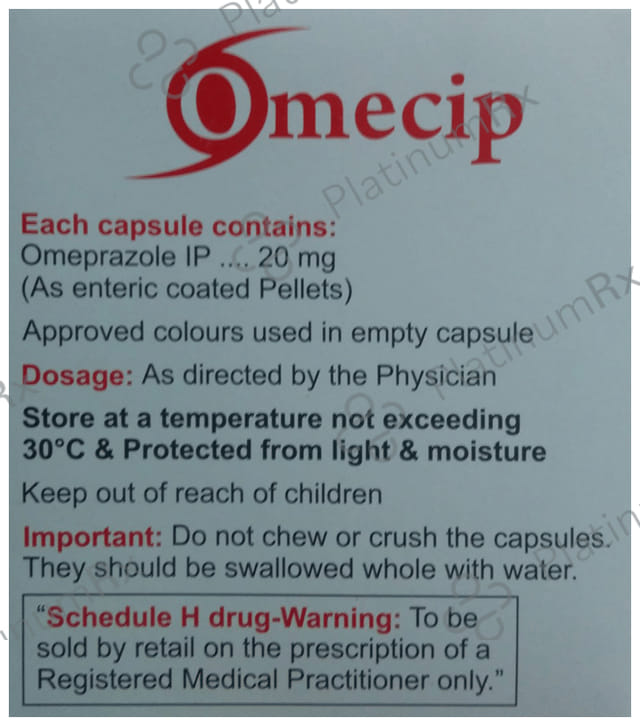
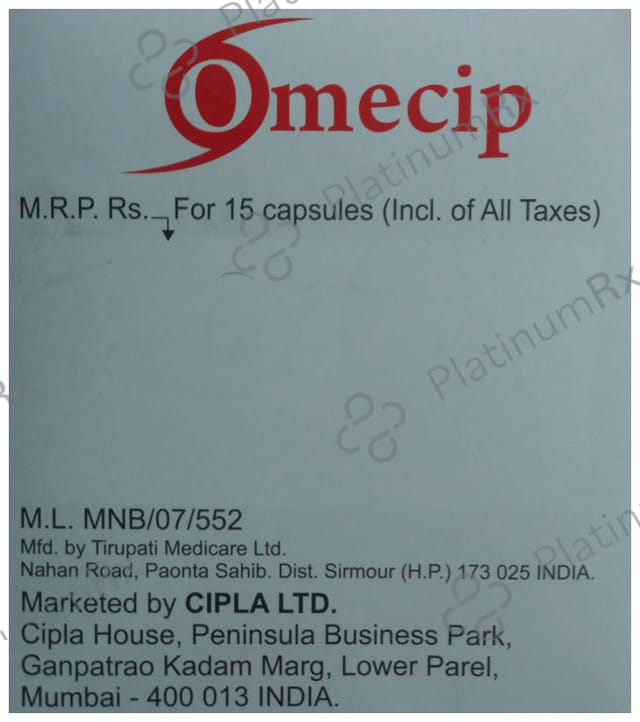
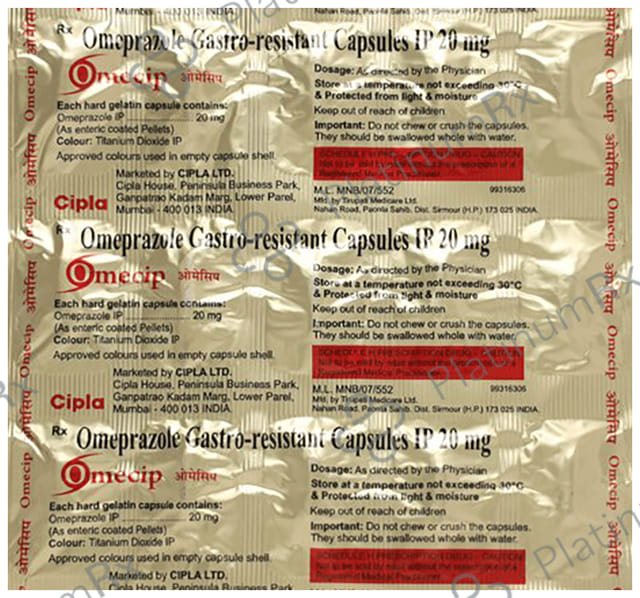
Omecip 20mg Capsule 15s

Omecip 20mg Capsule 15s

Cipla Ltd.
Strip of 15 capsules

8,258+ trust this

who

WHO GMP Certified

Doctor verified video thumbnail
All Our Medicines are
who icon

WHO GMP
Certified

return Image

15 Days Easy
Returns

Long Expiry

Long Expiry
(>8 Months)

who icon

WHO GMP
Certified

return Image

15 Days Easy
Returns

Long Expiry

Long Expiry
(>8 Months)

Delivery by

Used In

Treatment of Heartburn / Treatment of Gastroesophageal reflux disease (Acid reflux) / Treatment of Peptic ulcer disease

Customers also bought

More About Omewel 20mg Capsule 10 Capsule

Short Description
Long Description
How to use
Benefits
Side Effects
How to Consume
SafetyAdvice
Quick Tips (Expert Guidance)
Storage
Drug-Food Interactions
Interactions with Other Drugs
Drug-Disease Interactions
Daily Dose
Overdose
What If You Forget to take Omewel 20mg Capsule 10 Capsule?
FAQs
References
Fact Box

Quick Summary

Omewel 20mg Capsule 10 Capsule (Esomeprazole) is a potent inhibitor of gastric acid secretion belonging to the class of drugs known as Proton Pump Inhibitors (PPIs). Esomeprazole is the S-enantiomer of omeprazole and is widely recognised for providing rapid and sustained control of stomach acid production. Its mechanism involves irreversibly binding to and inhibiting the H+/K+ ATPase (the proton pump) located on the secretory surface of parietal cells in the stomach. By powerfully suppressing acid production, Esomeprazole effectively relieves symptoms such as heartburn, prevents ulcer recurrence, and allows acid-damaged tissues to heal.

Detailed Description

Omewel 20mg Capsule 10 Capsule is often referred to as the "purer" version of omeprazole (the first-generation PPI) because it is the isolated S-enantiomer. This distinction gives Esomeprazole a pharmacokinetic edge, including improved bioavailability and reduced metabolism by the liver's CYP2C19 enzyme system compared to the racemic mixture of omeprazole. This characteristic contributes to a more consistent and predictable acid-suppressing effect across a diverse patient population.

The core of Esomeprazole's action lies in its unique target: the proton pump. The proton pump is the final and most critical pathway for acid secretion into the stomach lumen. Esomeprazole is a pro-drug; it is chemically stable at the neutral pH of the bloodstream. However, after absorption, it concentrates in the highly acidic secretory canaliculi of the gastric parietal cells. In this low-pH environment, the pro-drug is rapidly converted into its active sulfonamide form.

The active sulfonamide then forms a stable, covalent bond with sulfhydryl groups on the exterior of the proton pump. This binding process is irreversible; it permanently deactivates the pump. Since the pump is the main source of stomach acid, its inactivation leads to:

  1. Profound Acid Suppression: Rapid and long-lasting reduction in both basal (resting) and stimulated (meal-induced) acid secretion.
  2. Healing: The reduced acidity provides a conducive environment for the healing of oesophageal erosions and peptic ulcers, which typically occur within 4 to 8 weeks of therapy.

The Esomeprazole 40mg dose provides maximum recommended acid suppression and is generally reserved for patients requiring intensive treatment, such as those with severe or refractory GERD (Gastroesophageal Reflux Disease), active erosive esophagitis, or serious complicated ulcers. Given its potent, sustained action, Esomeprazole is dosed once daily, typically 30 to 60 minutes before the first meal of the day, maximising the number of activated proton pumps it can permanently inhibit.

Uses of Omewel 20mg Capsule 10 Capsule

Omewel 20mg Capsule 10 Capsule (Esomeprazole 40mg) is indicated for the following gastrointestinal conditions:

Erosive Esophagitis (Healing):

Used for the acute, intensive treatment (typically 4 to 8 weeks) required to heal damage to the lining of the oesophagus caused by severe acid reflux.

Maintenance of Healing of Erosive Esophagitis:

Used at a lower dose (often 20mg), but 40mg may be used if lower doses fail to maintain healing and prevent recurrence.

Gastroesophageal Reflux Disease (GERD):

Treatment of heartburn and other symptoms associated with GERD, particularly when standard doses of other PPIs or H2 blockers are insufficient.

Peptic Ulcer Disease (PUD) Prophylaxis:

Used to reduce the risk of gastric and duodenal ulcers associated with continuous use of nonsteroidal anti-inflammatory drugs (NSAIDs) in high-risk patients.

Eradication of Helicobacter pylori (H. pylori):

Used in combination with two antibiotics (a triple-therapy regimen) to eradicate the bacteria that commonly cause peptic ulcers.

Zollinger-Ellison Syndrome (ZES):

Management of this pathological condition, which involves extremely high levels of acid production due to gastrin-secreting tumours.

Benefits of Omewel 20mg Capsule 10 Capsule

The use of Omewel 20mg Capsule 10 Capsule offers several significant clinical benefits, making it a cornerstone of contemporary GERD and PUD therapy.

The primary benefit is Superior and Consistent Acid Control.

Esomeprazole is often cited for its ability to maintain gastric pH above 4 for longer periods than other PPIs. This sustained suppression is crucial for the healing of severe mucosal damage in the oesophagus (erosive oesophagitis).

It has a High Rate of Healing Esophagitis.

Clinical trials consistently show that Esomeprazole achieves high healing rates, often superior to its predecessor, omeprazole, in patients with severe erosions, offering rapid symptomatic relief and reducing the risk of complications like strictures.

The drug provides Reliable Symptom Relief.

It offers rapid and effective relief from chronic symptoms such as heartburn, acid regurgitation, and difficulty swallowing (dysphagia), significantly improving the patient's quality of life.

Finally, due to its enhanced pharmacokinetic properties (less variability in metabolism via CYP2C19), Esomeprazole demonstrates Predictable Efficacy across most patient phenotypes, a crucial advantage in ensuring optimal therapeutic response.

Side Effects of Omewel 20mg Capsule 10 Capsule

While generally well-tolerated for short-term use, chronic use of Esomeprazole, like all PPIs, is associated with a range of side effects and safety concerns.

Common Side Effects (Mild and temporary):

  • Headache (most common)
  • Diarrhoea, Constipation, Flatulence
  • Nausea or Dry Mouth
  • Abdominal Pain

Serious Side Effects (Stop taking the medicine and seek urgent medical attention if you experience):

  • Severe Diarrhoea (Infectious): Increased risk of Clostridium difficile-associated diarrhoea (C. diff), presenting as persistent, watery, bloody diarrhoea and fever.
  • Acute Interstitial Nephritis (AIN): A rare but serious inflammatory kidney reaction. Symptoms include fever, rash, and changes in urination.
  • Bone Fracture Risk: Long-term use (over one year) or high doses increases the risk of osteoporosis-related fractures of the hip, wrist, or spine.
  • Low Magnesium (Hypomagnesemia): Symptoms include fatigue, tremors, muscle cramps, and heart arrhythmias. This requires monitoring with long-term therapy (over three months).
  • Vitamin B12 Deficiency: Long-term profound acid suppression can impair the absorption of B12, leading to deficiency symptoms (e.g., nerve damage, cognitive changes).
  • Cutaneous Lupus Erythematosus (CLE) and Systemic Lupus Erythematosus (SLE): New onset or worsening of lupus symptoms, including rash on the cheeks and arms sensitive to light.

Directions for Use

  • Dosing Schedule: Take one tablet (40mg) once daily, unless otherwise directed. The dose and duration depend entirely on the condition being treated (e.g., 4-8 weeks for acute erosive esophagitis).
  • Timing: The capsule or tablet must be taken at least 30 to 60 minutes before the first meal of the day. This is critical because the drug works only on proton pumps that are actively being recruited and activated by a meal.
  • Administration: Swallow the capsule/tablet whole with water. Do not crush, chew, or open the capsule/tablet, as this destroys the enteric coating necessary for the drug's survival through the stomach's acid.
  • Discontinuation: If the medication is stopped after chronic use, symptoms of rebound acid hypersecretion are common. Do not stop abruptly; consult your doctor for a gradual tapering schedule.
  • H. pylori Regimen: When used for H. pylori eradication, the 40mg dose is taken twice daily, usually in combination with two antibiotics (e.g., amoxicillin and clarithromycin) for 10 to 14 days.

Safety Advice for Omewel 20mg Capsule 10 Capsule

PREGNANCY

CAUTION

While generally considered low risk, use only when clearly indicated. Current data suggest no significant congenital anomaly risk, but CONSULT YOUR DOCTOR.

Read More

BREASTFEEDING

CAUTION

Esomeprazole is secreted in breast milk. The risk to the infant is low, but alternative, shorter-acting treatments may be preferred. CONSULT YOUR DOCTOR.

Read More

DRIVING

CAUTION

Uncommon, but side effects like dizziness or somnolence may occur. Patients should avoid driving until they know how the medication affects them.

Read More

LIVER

CAUTION

Esomeprazole is metabolised in the liver. Dose reduction (to 20mg daily) may be necessary in patients with severe hepatic impairment (Child-Pugh Class C).

Read More

KIDNEY

NO ADJUSTMENT NECESSARY

Dosage adjustment is typically not required for patients with renal impairment.

Read More

ALCOHOL

CAUTION

Alcohol does not interact directly with the drug but can irritate the stomach lining, potentially counteracting the healing process. Limit consumption.

Read More

LONG-TERM USE

WARNING

Use longer than one year increases the risk of bone fractures, C. diff infection, and hypomagnesemia. Use the lowest effective dose for the shortest duration necessary.

Read More

Quick Tips for Omewel 20mg Capsule 10 Capsule

  • Timing is Everything: To maximise efficacy, you must take the 40mg dose 30 to 60 minutes before your first meal. Do not take it at bedtime or after a meal.
  • Swallow Whole: Do not chew, crush, or open the capsule. This prevents the drug from reaching the parietal cells intact.
  • Do Not Stop Suddenly: If you have been on the medication for more than six weeks, consult your doctor about a tapering schedule to prevent rebound acid hypersecretion.
  • Watch for Diarrhoea: Report any persistent, watery diarrhoea immediately, as this may be a sign of a serious C. difficile infection.
  • Monitor for Fatigue/Cramps: If you experience unexplained fatigue, muscle cramps, or tremors during long-term therapy, ask your doctor to check your magnesium level.

Storage Advice

  • Temperature: Store Omewel 20mg Capsule 10 Capsule tablets/capsules at controlled room temperature, typically between 20 °C and 25 °C.
  • Protection: Keep the medicine in its original blister pack or container, protected from excessive heat, light, and especially moisture.
  • Safety: Always store securely, out of the reach and sight of children and pets.
  • Disposal: Return expired or unused medication to a pharmacy for safe disposal.

Drug-Food Interaction

  • Food Intake: CRITICAL INTERACTION. Although food does not directly prevent absorption, its presence actively stimulates the proton pumps, making them susceptible to irreversible inhibition by Esomeprazole. Taking the drug 30-60 minutes before the meal maximises the number of pumps it can block.
  • Alcohol: CAUTION. Alcohol should be limited as it is a gastric irritant and can delay the healing process, potentially negating the full benefit of the Esomeprazole therapy.
  • Dietary Calcium: Long-term acid suppression may potentially reduce calcium absorption. Ensure adequate intake of dietary calcium and Vitamin D, especially in patients at risk for osteoporosis.

Interactions with Other Drugs

  • Clopidogrel (Plavix): SEVERE CAUTION. Although Esomeprazole has a lower theoretical risk than omeprazole, it may still slightly inhibit CYP2C19, which is required to activate Clopidogrel. This could potentially reduce Clopidogrel's effectiveness, increasing the risk of cardiovascular events. Alternative anti-ulcer therapy may be considered.
  • Methotrexate: SEVERE CAUTION. PPIs can increase the serum concentration of Methotrexate (used for cancer and autoimmune diseases), potentially leading to toxicity. Dose adjustment or temporary PPI cessation may be necessary.
  • Drugs Requiring Low Gastric pH for Absorption (e.g., Atazanavir, Nelfinavir, Dasatinib, Iron Salts): CONTRAINDICATED/CAUTION. By raising gastric pH, Esomeprazole can dramatically reduce the absorption and efficacy of these drugs. Alternative antiretrovirals or anti-ulcer drugs should be considered.
  • Digoxin: CAUTION. Esomeprazole can increase the absorption of Digoxin, leading to higher serum levels and potential toxicity.
  • Tacrolimus: CAUTION. Esomeprazole can increase the plasma concentration of the immunosuppressant Tacrolimus. Close monitoring of Tacrolimus levels is required.

Drug-Disease Interactions

  • Clostridium difficile-associated Diarrhoea (CDAD): CAUTION. PPIs increase the risk of developing CDAD. Use with caution in patients with a history of recurrent CDAD.
  • Hypomagnesemia: CAUTION. Use with caution in patients already at risk for low magnesium (e.g., those on diuretics). Serum magnesium levels should be monitored during chronic therapy.
  • Osteoporosis/Bone Fracture Risk: CAUTION. Patients with pre-existing risk factors for bone loss should use PPIs for the shortest possible duration.
  • Systemic Lupus Erythematosus (SLE): CAUTION. PPIs have been reported to exacerbate existing SLE.

Daily Dose

The most common daily dose for acute treatment of severe GERD symptoms, erosive esophagitis healing, and Zollinger-Ellison Syndrome is Esomeprazole 40mg once daily. For H. pylori eradication, the dose is typically 40mg twice daily for 10-14 days. The dosing schedule should be strictly adhered to: 30-60 minutes before the first meal of the day.

Overdose

Experience with Esomeprazole overdose is limited, but symptoms are generally dose-dependent exaggerations of adverse effects, including lethargy, confusion, blurred vision, tachycardia, and severe nausea/vomiting. Because Esomeprazole is highly protein-bound, it is not readily removed by hemodialysis. Treatment is symptomatic and supportive. If an overdose is suspected, seek emergency medical help immediately.

What If You Forget to take Omewel 20mg Capsule 10 Capsule?

Since optimal acid suppression relies on taking the drug before the first meal:

  • Before the First Meal: If you remember the dose, take it immediately and proceed with your first meal 30-60 minutes later.
  • After the First Meal (Later in Day): If you remember the missed dose later in the day, skip the missed dose completely. Taking it after food or late in the day will render it much less effective, as most proton pumps will already be inactive.
  • Do Not Double Dose: Never take two tablets in a single day. Resume your regular dosing schedule before the next day's first meal. Consistent, daily dosing is more important than correcting a single missed dose.

Frequently asked questions

Yes, both medicines have the same salt composition, dosage, and effectiveness. They work the same way in your body. The only difference is the brand — and Omecip option is much more affordable without compromising on quality
Symptom relief often begins within 1 to 3 days, but the full acid-suppressing effect and the commencement of significant tissue healing take up to 4 weeks.
It is a pro-drug that only becomes active when it binds to the proton pumps. The largest number of proton pumps are active and available for binding 30-60 minutes after taking the drug, just as you start to eat.
Not generally. Long-term (over one year) or high-dose use is associated with risks including bone fractures, hypomagnesemia, and C. difficile infection. Use the lowest effective dose for the shortest time possible.
When PPIs are stopped, the body, having adapted to profound acid suppression, temporarily produces excess acid, causing a return of severe heartburn. Tapering the dose helps prevent this.
Yes. Chronic acid suppression can hinder the release of B12 from food. Patients on long-term therapy may need B12 monitoring or supplements.
No. The drug requires a special enteric coating to prevent it from being destroyed by stomach acid before it can reach the parietal cells. Crushing destroys this coating.
Yes. Studies suggest long-term, high-dose PPI use increases the risk of hip, wrist, or spine fractures due to the potential impact on calcium absorption.
Yes. Antacids provide immediate relief and can be taken as needed, as they do not interfere with Esomeprazole's long-term action.
Report persistent, watery, or bloody diarrhoea immediately, as it could be a sign of C. difficile-associated diarrhoea (CDAD), which requires urgent treatment.
No. Esomeprazole is the isolated S-enantiomer of omeprazole. It generally has better bioavailability and more predictable acid suppression.
40mg is used for more severe or refractory conditions like active erosive esophagitis, severe GERD, or H. pylori eradication, where maximum acid suppression is clinically required.
Yes, potentially. Esomeprazole may slightly reduce the effectiveness of Clopidogrel, increasing the risk of a cardiovascular event. Discuss this specific risk with your prescribing physician.
You should skip that day's dose and take your next dose before the first meal of the following day. Taking it late renders it largely ineffective.
It can. It may increase the levels of some drugs metabolised by the liver. Always inform your doctor and pharmacist of all medications you are taking.
No. If you have severe liver impairment, the dose will likely need to be reduced to 20mg daily or less, as the drug's metabolism will be impaired. CONSULT YOUR DOCTOR.

References

  • https://www.mayoclinic.org/drugs-supplements/esomeprazole-oral-route/description/drg-20074322

  • https://www.nhs.uk/medicines/esomeprazole/how-and-when-to-take-esomeprazole/

  • https://www.medicines.org.uk/emc/product/2326/pil

  • https://www.webmd.com/drugs/2/drug-20536/nexium-oral/details

Fact Box

Therapeutic Class

Anti-ulcer Agent, Gastric Acid Suppressant

Action Class

Irreversible H+/K+ ATPase (Proton Pump) Inhibitor

Chemical Class

Proton Pump Inhibitor (PPI)

Habit Forming

Not addictive or habit-forming, but abrupt cessation can cause rebound hypersecretion.

Checkout Editorial Policy

Disclaimer

PlatinumRx is dedicated to delivering dependable and trustworthy information to empower our customers. However, the information presented here is solely for general informational purposes and should not be utilized for diagnosing, preventing, or treating health issues. It is not intended to establish a doctor-patient relationship or serve as a substitute for professional medical advice.

Flat ₹100 off on first app order   |    Use Code:  APP100   | 

Flat ₹100 off on first app order

USE CODE: APP100

PlatinumRx

Download Now

AppleIconPlayStoreIcon