


Lactic Acid (Lactobacillus) के बारे में अधिक जानकारी
छोटा विवरण - Lactic Acid (Lactobacillus) Short Description in Hindi
Lactic Acid (Lactobacillus) एक प्रोबायोटिक सप्लीमेंट है जिसमें मुख्य रूप से Lactobacillus प्रजातियों वाले लैक्टिक एसिड उत्पन्न करने वाले बैक्टीरिया होते हैं। ये फायदेमंद बैक्टीरिया स्वस्थ आंत माइक्रोबायोम का समर्थन करने, पाचन में सुधार करने, और संतुलित आंत पर्यावरण बनाए रखने में मदद करते हैं।
लंबा विवरण - Lactic Acid (Lactobacillus) Long Description in Hindi
Lactic Acid (Lactobacillus) एक आहार प्रोबायोटिक है जो पाचन तंत्र में फायदेमंद Lactobacillus बैक्टीरिया प्रदान करता है। ये बैक्टीरिया आंत के अम्लीय वातावरण को बनाए रखने में मदद करते हैं, जो हानिकारक जीवों के विकास को सीमित कर सकता है और अधिक स्थिर माइक्रोबियल संतुलन का समर्थन करता है।
Lactobacillus प्रजातियाँ आंत की परत का समर्थन कर सकती हैं, स्थानीय प्रतिरक्षा कार्य में सहायक हो सकती हैं, और कुछ कार्बोहाइड्रेट और लैक्टोज को तोड़ने में मदद कर सकती हैं। इस सप्लीमेंट को केवल चिकित्सा निगरानी में ही लेना चाहिए, क्योंकि खुराक और अवधि उम्र, पाचन स्थिति, और उपयोग में अन्य दवाओं पर निर्भर करती है। इसे आमतौर पर दिन में एक या दो बार भोजन के साथ या बिना निर्देशानुसार लिया जाता है। लाभ धीरे-धीरे होते हैं, और कई लोग लगातार कुछ दिनों से कुछ हफ्तों तक उपयोग करने के बाद सूजन, पाचन या मल की नियमितता में सुधार देखते हैं।
गंभीर प्रतिरक्षा दोष, हाल ही की बड़ी सर्जरी, सेंट्रल-लाइन डेंडेंस, या गंभीर बीमारी वाले लोगों में अतिरिक्त सावधानी की आवश्यकता होती है, क्योंकि प्रोबायोटिक्स बहुत संवेदनशील रोगियों में अलग तरह से व्यवहार कर सकते हैं। यद्यपि Lactic Acid (Lactobacillus) आंत की मौलिक बीमारी का इलाज नहीं करता, यह उचित उपचार योजना के हिस्से के रूप में पाचन आराम और समग्र आंत स्वास्थ्य का समर्थन कर सकता है।
Lactic Acid (Lactobacillus) के उपयोग - Lactic Acid (Lactobacillus) Uses in Hindi
Lactic Acid (Lactobacillus) आमतौर पर डॉक्टर द्वारा निम्नलिखित स्थितियों में निर्धारित किया जाता है:
- पाचन असुविधा और अनियमित मल व्यवहार, जिनमें फुलावट, गैस, कभी-कभी दस्त या कब्ज शामिल हैं।
- एंटीबायोटिक-संबंधित या यात्रा से संबंधित दस्त, स्वस्थ आंत माइक्रोबायोम को पुनर्स्थापित करने में मदद करने के लिए।
- लैक्टोज-संबंधित पाचन समस्याएँ, लैक्टोज युक्त खाद्य पदार्थों के बेहतर पाचन का समर्थन करने के लिए।
- आंत-प्रतिरक्षा संतुलन का समर्थन, स्वस्थ आंत्र पर्यावरण बनाए रखने में मदद के लिए।
Lactic Acid (Lactobacillus) के लाभ - Benefits of Lactic Acid (Lactobacillus) in Hindi
Lactic Acid (Lactobacillus) कई तरीकों से आंत स्वास्थ्य का समर्थन कर सकता है:
- लाभकारी Lactobacillus बैक्टीरिया को बढ़ावा देकर संतुलित आंत माइक्रोबायोम बनाए रखने में मदद करता है।
- पाचन को आसान बनाता है और फुलावट या गैस को कम कर सकता है।
- हल्के दस्त की आवृत्ति या गंभीरता को कम कर सकता है, विशेष रूप से जब यह एंटीबायोटिक्स से जुड़ा हो।
- आंत बाधा क्रिया और स्थानीय प्रतिरक्षा संतुलन का समर्थन करता है।
- चिकित्सा पर्यवेक्षण के तहत लगातार उपयोग करने पर अधिक नियमित मलत्याग की आदतों को बढ़ावा देता है।
Lactic Acid (Lactobacillus) के साइड इफ़ेक्ट्स - Lactic Acid (Lactobacillus) Side Effects in Hindi
Lactic Acid (Lactobacillus) दुष्प्रभाव कर सकता है, हालांकि हर कोई उन्हें अनुभव नहीं करेगा। अधिकांश हल्के और अस्थायी होते हैं, लेकिन कुछ को चिकित्सा सहायता की आवश्यकता हो सकती है।
सामान्य दुष्प्रभाव
- हल्का फुलाव या गैस।
- हल्का पेट में असुविधा या ऐंठन।
- नरम मल या मल आवृत्ति में हल्के परिवर्तन।
- भूख या पाचन में हल्के परिवर्तन।
असामान्य दुष्प्रभाव
- हल्का मतली या डकार आना।
- स्वाद में अस्थायी परिवर्तन या मुंह में असुविधा।
- दुर्लभ त्वचा पर चकत्ते या हल्की एलर्जी जैसी प्रतिक्रिया।
गंभीर दुष्प्रभाव
- यदि आप नोटिस करें तो तुरंत चिकित्सा सहायता लें:
- गंभीर एलर्जिक प्रतिक्रिया के संकेत जैसे त्वचा पर चकत्ते, खुजली, सूजन या साँस लेने में कठिनाई।
- तीव्र पेट दर्द, लगातार उल्टी, या खून वाले या काले मल।
- सर्दी लगना या गंभीर संक्रमण के संकेतों के साथ बुखार, खासकर यदि प्रतिरक्षा कमजोर है या हाल ही में सर्जरी हुई है।
Lactic Acid (Lactobacillus) उपयोग के लिए निर्देश - Direction to Use Lactic Acid (Lactobacillus) in Hindi
- Lactic Acid (Lactobacillus) को अपने डॉक्टर द्वारा सुझाए अनुसार ठीक उसी तरह लें, आपके उम्र, पाचन स्थिति, और उपयोग में अन्य दवाओं या सप्लीमेंट्स के आधार पर। इसे आमतौर पर दिन में एक या दो बार भोजन के साथ या बिना निर्देशानुसार लिया जाता है, क्योंकि यह आंत में फायदेमंद बैक्टीरिया की स्थिर आपूर्ति बनाए रखने में मदद करता है।
- इसे हर दिन एक ही समय पर लेने का प्रयास करें। दवा को पूरे पानी के साथ निगलें; इसे न तो तोड़ें, चबाएं, या कैप्सूल खोलें जब तक कि आपका डॉक्टर या फार्मासिस्ट अन्यथा सलाह न दें, क्योंकि इससे आंत तक पहुंचने वाले जीवित बैक्टीरिया की मात्रा कम हो सकती है। बिना अपनी मर्जी से खुराक या आवृत्ति न बदलें। भले ही आपको बेहतर महसूस होने लगे, Lactic Acid (Lactobacillus) को पूरी अनुशंसित अवधि तक लेते रहें।
Lactic Acid (Lactobacillus) कैसे काम करता है - How Lactic Acid (Lactobacillus) Works in Hindi
Lactic Acid (Lactobacillus) में Lactobacillus प्रजातियाँ होती हैं जो कुछ कार्बोहाइड्रेट को फर्मेंट करती हैं और लैक्टिक एसिड का उत्पादन करती हैं, जो आंत के pH को कम करती हैं और हानिकारक बैक्टीरिया के अधिक विकास को रोकती हैं। ये बैक्टीरिया आंत की परत से भी चिपक सकते हैं, जिससे आंत की बाधा मजबूत होती है और अधिक स्वस्थ आंत पर्यावरण का समर्थन होता है।
Lactobacillus आंत में स्थानीय प्रतिरक्षा प्रणाली के साथ बातचीत कर सकता है और कुछ लोगों को लैक्टोज और अन्य कठिन पचने वाले कार्बोहाइड्रेट को अधिक प्रभावी ढंग से पचाने में मदद कर सकता है। ये क्रियाएं मिलकर चिकित्सा निगरानी के तहत लगातार उपयोग करने पर सूक्ष्मजीव संतुलन, पाचन आराम, और आंत स्वास्थ्य का समर्थन करती हैं।
Lactic Acid (Lactobacillus) के लिए सुरक्षा सलाह - Safety Advice for Lactic Acid (Lactobacillus) in Hindi

गर्भावस्था
सावधानी
Lactobacillus युक्त प्रोबायोटिक्स को आमतौर पर गर्भावस्था में कम जोखिम वाला माना जाता है, लेकिन सुरक्षा विशिष्ट स्ट्रेन और आपकी चिकित्सा स्थिति पर निर्भर करती है; केवल तभी उपयोग करें जब आपका डॉक्टर इसे सुझाए।

स्तनपान
असुरक्षित
Lactobacillus प्रोबायोटिक्स को आमतौर पर स्तनपान के अनुकूल माना जाता है, लेकिन शुरू करने से पहले चिकित्सा सलाह लेना अभी भी आवश्यक है, खासकर यदि आपको या आपके बच्चे को स्वास्थ्य संबंधी समस्याएं हैं।

ड्राइविंग
सुरक्षित
स्वस्थ लोगों में Lactic Acid (Lactobacillus) के सतर्कता, समन्वय, या प्रतिक्रिया समय को प्रभावित करने की जानकारी नहीं है।

यकृत
सावधानी
Lactobacillus प्रोबायोटिक्स आमतौर पर यकृत विषाक्तता से जुड़ा नहीं होता है, लेकिन गंभीर बीमारी वाले लोग इन्हें केवल चिकित्सीय निगरानी में ही लें।

गुर्दा
सावधानी
यदि आपको महत्वपूर्ण गुर्दे की बीमारी है या आप बहुत बीमार हैं, तो चिकित्सा निगरानी में इसका उपयोग करें, क्योंकि कुल मिलाकर क्लिनिकल स्थिति प्रोबायोटिक से अधिक महत्वपूर्ण होती है।

शराब
सावधानी
अल्कोहल का Lactic Acid (Lactobacillus) के साथ कोई ज्ञात प्रत्यक्ष इंटरैक्शन नहीं है, लेकिन अत्यधिक शराब पाचन संबंधी लक्षणों और आंत का संतुलन बिगाड़ सकती है।
Lactic Acid (Lactobacillus) के लिए त्वरित सुझाव
- Lactic Acid (Lactobacillus) को फलों, सब्जियों, दलहन और साबुत अनाज सहित संतुलित, फाइबर-समृद्ध आहार के साथ मिलाएं।
- दही, केफिर, साउकरोट या किमची जैसे किण्वित खाद्य पदार्थ इस प्रोबायोटिक के पूरक हो सकते हैं।
- यदि आप एंटीबायोटिक्स ले रहे हैं, तो अपने डॉक्टर से पूछें कि क्या खुराकों के बीच कुछ घंटे का अंतर रखना चाहिए।
- खुराक लेने से ठीक पहले या बाद में बहुत गरम पेय या अत्यधिक अम्लीय पेय से बचें।
- यदि आपकी प्रतिरक्षा प्रणाली कमजोर है, हाल ही में बड़ी सर्जरी हुई है, या आपके पास केंद्रीय नस लाइन है तो अपने डॉक्टर को बताएं।
संग्रह सलाह
लेबल पर निर्देशित अनुसार Lactic Acid (Lactobacillus) को स्टोर करें। कुछ तैयारीयों के लिए ठंडा रखन आवश्यक होता है, जबकि अन्य सामान्य तापमान पर स्थिर रहते हैं, क्योंकि जीवित बैक्टीरिया गर्मी, नमी और प्रकाश के प्रति संवेदनशील होते हैं।
यदि ठंडे स्थान पर रखने की आवश्यकता है, तो इसे फ्रिज के मुख्य हिस्से में रखें, दरवाज़े में नहीं। यदि सामान्य तापमान पर भंडारण की अनुमति है, तो इसे ठंडे, सूखे स्थान पर सीधे सूरज की रोशनी या गर्म स्रोतों से दूर रखें। कंटेनर को अच्छी तरह बंद रखें और बच्चों और पालतू जानवरों की पहुँच से दूर रखें।
दवा और भोजन का अंतरात्मक कार्य
- भोजन (मृत्यु प्रभाव):Lactic Acid (Lactobacillus) को भोजन के साथ या तुरंत बाद लेने से जीवित बैक्टीरिया को पेट के एसिड से बचाने में मदद मिल सकती है।
- फर्मेंटेड भोजन (लाभकारी):दही, केफिर, और इसी तरह के खाद्य पदार्थ सप्लीमेंट के पूरक हो सकते हैं।
- बहुत गर्म या बहुत अम्लीय पेय (सावधानी):कॉफ़ी, साइट्रस जूस, और बहुत गर्म पेय जीवित बैक्टीरिया के जीवित रहने को कम कर सकते हैं।
Lactic Acid (Lactobacillus) दवा और दवा का अंतरात्मक कार्य - Lactic Acid (Lactobacillus) Drug Interaction with Other Drugs in Hindi
- एंटीबायोटिक्स (मध्यम): एंटीबायोटिक्स जीवित Lactobacillus को कम कर सकते हैं, इसलिए समय में समायोजन की आवश्यकता हो सकती है।
- इम्यूनोसप्रेसेंट्स और कीमोथेरेपी (अपने डॉक्टर से परामर्श करें):इंफेक्शन के जोखिम के कारण उपयोग को व्यक्तिगत बनाना चाहिए।
- एंटी-डायरियल दवाएं (अपने डॉक्टर से परामर्श करें):समय को इस तरह समायोजित करने की आवश्यकता हो सकती है ताकि प्रोबायोटिक आंत तक पहुँच सके।
- विटामिन और खनिज (कोई प्रमुख इंटरैक्शन नहीं):आमतौर पर सुरक्षित, यदि आपके डॉक्टर द्वारा समीक्षा की गई हो।
Lactic Acid (Lactobacillus) दवा और रोग का अंतरात्मक कार्य - Lactic Acid (Lactobacillus) Drug Disease Interaction in Hindi
- गंभीर प्रतिरक्षा कमी या गंभीर बीमारी (सावधानी):जटिल रक्तस्राव संक्रमण रिपोर्ट किए जाने के कारण केवल कड़े चिकित्सा पर्यवेक्षण के तहत उपयोग करें।
- शॉर्ट-बाउल सिंड्रोम या सेंट्रल-लाइन निर्भरता (सावधानी):उपयोग से पहले विशेषज्ञ समीक्षा आवश्यक है।
- लगातार या गंभीर दौरे के साथ बुखार (अपने डॉक्टर से परामर्श करें):केवल Lactic Acid (Lactobacillus) पर निर्भर न रहें; चिकित्सा मूल्यांकन आवश्यक है।
ओवरड्राफ्ट
सुनिश्चित मात्रा से अधिक लेने से लाभों में सुधार की संभावना कम होती है और हल्के दुष्प्रभाव जैसे फुलाव, गैस या पेट में असुविधा बढ़ सकती है। स्वस्थ लोगों में गंभीर नुकसान दुर्लभ है, लेकिन यदि आपको तीव्र पेट दर्द, लगातार उल्टी, बुखार, ठंड लगना, या संक्रमण के संकेत दिखाई दें, तो Lactic Acid (Lactobacillus) लेना बंद करें और चिकित्सा सहायता प्राप्त करें।
अगर आप Lactic Acid (Lactobacillus) लेना भूल जाएं तो क्या करें?
यदि आप खुराक लेना भूल जाते हैं, तो इसे जैसे ही याद आए तुरंत लें, आदर्श रूप से भोजन के साथ या खाने के बाद, जब तक कि अगली निर्धारित खुराक का समय न हो। यदि अगली खुराक के समय के करीब है, तो भूली हुई खुराक छोड़ दें और अपनी नियमित योजना पर लौट आएं। उसे पूरा करने के लिए डबल खुराक या अतिरिक्त खुराक न लें।
References
फैक्ट बॉक्स
Therapeutic Class
पाचन स्वास्थ समर्थन / प्रोबायोटिक सप्लीमेंट / दस्त प्रबंधन
Action Class
प्रोबायोटिक / आंत उद्भिद्रव समर्थन / लैक्टिक एसिड-उत्पादक सूक्ष्मजीव सप्लीमेंट
Chemical Class
प्रोबायोटिक लैक्टिक एसिड उत्पन्न करने वाले बैक्टीरिया, मुख्य रूप से Lactobacillus प्रजातियाँ
Habit Forming
नहीं
Checkout Editorial Policy
Lactic Acid (Lactobacillus) in other salts
Top Selling Medicines
Top Health Products
Top Selling Devices
Related Medications

Lactic Acid (Lactobacillus) 2.5B
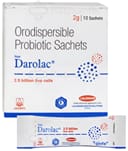
₹13.8
MRP ₹16.9
Lactic Acid (Lactobacillus) 2.5B
₹111.5
MRP ₹135.9
Lactic Acid (Lactobacillus) 120M
₹110
₹43.8
MRP ₹87.7
Lactic Acid (Lactobacillus) 60M
₹20
₹12
MRP ₹24
Lactic Acid (Lactobacillus) 60M
₹10
₹12
MRP ₹24
Lactic Acid (Lactobacillus) 2.5B
₹412.7
₹111.5
MRP ₹135.9
Lactic Acid (Lactobacillus) 2.5B
₹232.8
₹111.5
MRP ₹135.9
Lactic Acid (Lactobacillus) 120M
₹56.7
MRP ₹69.1
Lactic Acid (Lactobacillus) 120M
₹163.1
₹43.8
MRP ₹87.7
Lactic Acid (Lactobacillus) 120M
₹18
₹43.8
MRP ₹87.7
Lactic Acid (Lactobacillus) 60M
₹11.3
₹12
MRP ₹24
Lactic Acid (Lactobacillus) 120M
₹20
₹43.8
MRP ₹87.7
Lactic Acid (Lactobacillus) 120M
₹265.3
₹43.8
MRP ₹87.7
Lactic Acid (Lactobacillus) 15B
₹460
MRP ₹561
Lactic Acid (Lactobacillus) 120M
₹348
₹43.8
MRP ₹87.7
Lactic Acid (Lactobacillus) 60M
₹10
₹12
MRP ₹24
Lactic Acid (Lactobacillus) 60M
₹12
MRP ₹24
Lactic Acid (Lactobacillus) 120M
₹82.5
₹43.8
MRP ₹87.7
Lactic Acid (Lactobacillus) 120M
₹91.9
₹43.8
MRP ₹87.7
Lactic Acid (Lactobacillus) 120M
₹68.2
₹43.8
MRP ₹87.7
Lactic Acid (Lactobacillus) 120M
₹79.7
₹43.8
MRP ₹87.7
Lactic Acid (Lactobacillus) 120M
₹85
₹43.8
MRP ₹87.7
Lactic Acid (Lactobacillus) 60M
₹17

Lactic Acid (Lactobacillus) 120M
₹12
Lactic Acid (Lactobacillus) 3B
₹45