


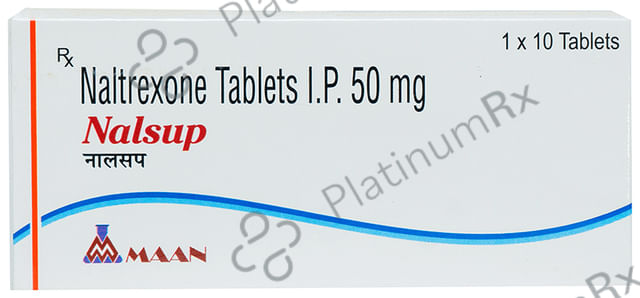
Nalsup Tablet

atom-spiralsSalt Composition:Naltrexone 50mg

Nalsup Tablet is a prescription medicine used to treat alcohol dependence and to help people who have already come off opioids stay opioid-free by blocking the effects of opioids. It comes as a 50mg tablet containing the hydrochloride salt of the medicine. Nalsup Tablet belongs to a group called opioid antagonists, which means it blocks the spots in the brain where opioids act. While it is working, opioids such as heroin lose their "high". In alcohol dependence, it can lessen the craving to drink. Nalsup Tablet does not cause addiction or dependence. It is meant to be used as one part of a treatment plan that also includes counseling and support, not on its own.
Read more

Written by: Shaik Ashraf Ali, B.pharmacy

Reviewed by: Dr. Jay Faldu, MBBS

Last updated on: 24-09-2026

Same Composition
Same Strength
FDA Approved
Same Composition
Currently Viewing
Nalsup Tablet
Nalsup Tablet
Nalsup Tablet

Maan Pharmaceuticals Ltd.

Strip of 10 tablets

See affordable match

Top Substitute
4.2K Bought this instead

Delivery by

...

FDA & GMP Certified

Long Expiry (>8 Months)

15 Days Easy Returns

Medicine Comparison

100% Exact Salt Match
Nalsup Tablet
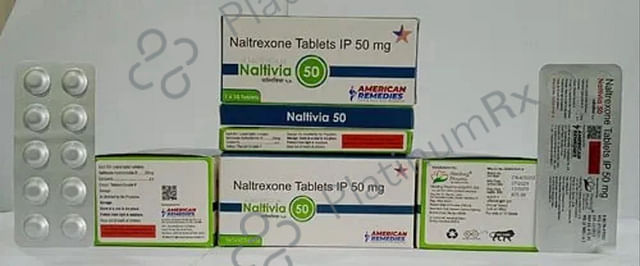
Naltivia 50mg Tablet 10s
FDA Approved
FDA Approved
₹80.6 / Unit
₹58.6 / Unit

Have a question?

Doctor Approved & Trusted
thumbnail

Genuine Medicine

Pay On Delivery

Secure Payment

LegitScript Certified

LegitScript Certified Online Pharmacy

More About Nalsup Tablet

Detailed Description

Nalsup Tablet is used for two main purposes: treating alcohol dependence and blocking the effects of opioid drugs in people who have been dependent on opioids. It is a pure opioid blocker. This means it sits on opioid receptors (the "docking spots" that opioids attach to) without switching them on, so it has no opioid-like effects of its own.

In opioid dependence, this blockade removes the pleasure and relief a person would usually feel from heroin or other opioids. In label studies, a 50 mg tablet blocked the effects of a 25 mg injected dose of heroin for up to 24 hours. Larger amounts of opioids can override this block and are dangerous.

In alcohol dependence, drinking releases the body's own natural opioid-like chemicals, which add to the pleasant feeling alcohol gives. Nalsup Tablet blocks these chemicals, which may make drinking less rewarding and ease cravings.

The medicine is taken by mouth and is almost fully absorbed from the gut, reaching its highest level in the blood within about one hour. It is then processed by the liver into an active breakdown product called 6-beta-naltrexol, which lasts longer in the body. Both are cleared mainly through the kidneys.

Medical supervision matters a great deal with Nalsup Tablet. A person must be completely free of opioids before starting, usually for at least 7 to 10 days, and sometimes up to 2 weeks after methadone or buprenorphine. Starting too early can bring on sudden, severe withdrawal. Doctors may do a test with a short-acting blocker called naloxone first to make sure the body is opioid-free.

Liver problems have been reported with Nalsup Tablet, and some people have developed depression or suicidal thoughts during treatment. After stopping, the body may react much more strongly to even small amounts of opioids, which raises the risk of a life-threatening overdose. The label states that Nalsup Tablet has only been shown to work when combined with counseling and support.

Benefits of Nalsup Tablet

  1. Blocks the effect of opioids: Nalsup Tablet stops heroin and other opioids from producing a high, which removes the reward that drives continued use.
  2. Eases the craving for alcohol: By blocking the brain's natural opioid-like chemicals released by drinking, it can make alcohol less rewarding and lower the urge to drink.
  3. Not addictive: Nalsup Tablet does not lead to physical or psychological dependence, and the body does not become used to its blocking effect over time.
  4. No sickness reaction with alcohol: Unlike disulfiram (another medicine for alcohol dependence that causes unpleasant effects such as nausea and vomiting when even a small amount of alcohol is taken), it does not cause this kind of reaction if a person drinks.
  5. Long-lasting blockade from one tablet: In label studies, a single 50 mg tablet blocked the effects of a 25 mg injected dose of heroin for up to 24 hours. Larger amounts of opioids can override this block.
  6. Flexible schedules: In supervised programs, doses can be arranged every other day or every third day, with a larger dose on each clinic day (see Daily Dose), which can make clinic-based treatment easier.

Side Effects of Nalsup Tablet

Common Side Effects (Usually Mild and may lessen with continued use)

  • Nausea
  • Headache
  • Dizziness
  • Feeling nervous, anxious or irritable
  • Tiredness or low energy
  • Trouble sleeping
  • Sleepiness
  • Vomiting
  • Stomach pain or cramps
  • Diarrhoea or constipation
  • Loss of appetite
  • Joint or muscle pain
  • Skin rash

Serious Side Effects (Seek Urgent Medical Attention)

  • Precipitated opioid withdrawal: If there are still opioids in the body when Nalsup Tablet is taken, it can suddenly push the body into withdrawal. This is called precipitated opioid withdrawal. Symptoms can start within about five minutes and may last up to 48 hours. They include severe vomiting and diarrhoea, stomach cramps, anxiety, confusion, heavy sleepiness and seeing things that are not there (hallucinations). Some people have needed hospital care for this.
  • Liver injury (hepatitis): Signs include unusual tiredness, unusual bleeding or bruising, loss of appetite, pain in the upper right part of the stomach lasting more than a few days, pale stools, dark urine, or yellowing of the skin or eyes (jaundice).
  • Depression or suicidal thoughts: Low mood, loss of interest in life, or thoughts of self-harm have been reported.
  • Opioid overdose: Taking large amounts of opioids to try to push past the blockade, or using opioids after stopping Nalsup Tablet, can cause serious injury, coma or death.
  • Blurred vision: Tell your doctor straight away if your eyesight becomes blurred.

Directions for Use

  • Take Nalsup Tablet exactly as your doctor or treatment program has prescribed it.
  • Swallow the tablet with a glass of plain water. The tablet has a score line, so ask your doctor or pharmacist before breaking it rather than splitting it on your own.
  • Nalsup Tablet can be taken with or without food. Pick one way and stick with it so your routine stays steady.
  • At home it is usually taken once a day. Try to take it at the same time each day so you do not miss doses.
  • In some clinics, doses are given under supervision on a different schedule, such as every other day or every third day, with a larger dose given on each clinic day (see Daily Dose). Follow the schedule your program gives you.
  • Do not start Nalsup Tablet until your doctor confirms you have been free of opioids for long enough.
  • Keep going to counseling or support group sessions while taking this medicine, since it is designed to work alongside them.
  • Keep taking it for as long as your doctor advises, even if you feel you no longer have cravings.

How it works

Opioids work by attaching to opioid receptors, which are small "docking spots" on nerve cells in the brain and body. There are three main types, called mu, kappa and delta receptors. Nalsup Tablet and its main breakdown product, 6-beta-naltrexol, block mainly the mu and kappa types, and the delta type to a lesser extent.

Nalsup Tablet is a competitive antagonist. In plain words, it takes up the docking spot so opioids cannot attach there, but it does not switch the receptor on. That is why it produces no high, no pain relief and no opioid-like effects of its own. With the receptors taken up, a person who uses heroin or another opioid does not feel its usual effects.

Its effect on alcohol works through the brain's reward system. Drinking alcohol releases the body's own opioid-like chemicals. These chemicals boost the release of dopamine, a "feel-good" messenger, in a reward area of the brain. Nalsup Tablet blocks this chain of events, so the extra dopamine boost from alcohol is reduced. Over time, this can make drinking feel less rewarding and help reduce cravings.

Safety Advice for Nalsup Tablet

icon
Pregnancy
Limited information

Studies in animals showed a higher rate of pregnancy loss at high doses. How Nalsup Tablet affects a human pregnancy is not well studied. Tell your doctor if you are pregnant, plan to become pregnant, or become pregnant during treatment, so the benefits and risks can be weighed.

icon
Breastfeeding
Limited information

In animal studies, the medicine passed into breast milk. It is not known whether this happens in humans, so caution is advised. Talk to your doctor before breastfeeding.

icon
Alcohol
Limited information

Nalsup Tablet is prescribed to help people stay away from alcohol. It does not cause a sickness reaction if you drink, but drinking works against the goal of treatment. Tell your doctor or counselor about any drinking.

icon
Driving
Limited information

Nalsup Tablet can cause dizziness. Do not drive or use machinery until you know how it affects you.

icon
Kidney
Limited information

Nalsup Tablet and its breakdown products leave the body mainly through the kidneys. It should be used with caution in people with kidney problems. Tell your doctor if you have kidney disease.

icon
Liver
Limited information

Cases of hepatitis and liver problems have been reported. In people with liver scarring (cirrhosis), blood levels of the medicine can be 5 to 10 times higher than normal. Tell your doctor if you have or have had hepatitis or liver disease.

icon
Children
Limited information

Its safety in people younger than 18 years has not been shown. It is not usually used in children.

icon
Elderly patients
Limited information

Older adults are more likely to have reduced liver or kidney function. Since Nalsup Tablet is processed by the liver and cleared by the kidneys, your doctor will take this into account.

Quick Tips for Nalsup Tablet

  • Make sure you have been opioid-free for as long as your doctor advises before your first dose.
  • Tell every doctor, dentist and surgeon that you take Nalsup Tablet, especially before any surgery or procedure.
  • Carry a card or wear a bracelet stating that you take Nalsup Tablet.
  • Never try to override the blockade by taking large amounts of heroin or other opioids. This can lead to a fatal overdose.
  • Opioid-based cough syrups, cold medicines and some anti-diarrhoea medicines will not work while you take Nalsup Tablet. Ask your pharmacist for other options.
  • Report yellowing of the eyes, dark urine or pain in the upper right side of your stomach to your doctor straight away.
  • Ask family members to watch for signs of low mood or depression and to tell your doctor.
  • Tell laboratory staff that you take Nalsup Tablet before any urine drug tests.

Storage Advice

  • Store at room temperature between 20°C and 25°C (68°F and 77°F).
  • Keep the tablets in their original container, tightly closed.
  • Protect from excess heat and moisture. Do not store in the bathroom.
  • Keep out of reach and sight of children and pets.

Drug-Food Interaction

  • Food: Nalsup Tablet can be taken with or without meals. No specific foods are listed on the label as interfering with it.
  • Alcohol: Nalsup Tablet does not make a person sick when they drink, unlike disulfiram. However, it is prescribed to help people avoid alcohol, so drinking undermines treatment. Talk to your doctor about any alcohol use.

Interactions with Other Drugs

  • Opioid painkillers (such as morphine, codeine, tramadol): Nalsup Tablet must not be taken by people currently using opioid painkillers. It blocks their pain-relieving effect and can bring on sudden withdrawal in people who depend on them.
  • Methadone and buprenorphine: People taking these for opioid dependence must not start Nalsup Tablet, as it can trigger severe withdrawal. After stopping them, withdrawal symptoms may continue for up to 2 weeks, so a longer gap may be needed.
  • Opioid-containing cough, cold and anti-diarrhoea medicines: These may not work while taking Nalsup Tablet.
  • Disulfiram: Both disulfiram and Nalsup Tablet can harm the liver. Using them together is not usually recommended unless the doctor decides the benefit outweighs the risk.
  • Thioridazine: Heavy tiredness and sleepiness have been reported when this antipsychotic medicine was taken with Nalsup Tablet.
  • Urine drug tests: Nalsup Tablet may affect some lab tests used to detect opioids, depending on the test method.

Drug-Disease Interactions

  • Current opioid use or opioid dependence: Nalsup Tablet should not be used by anyone who is dependent on opioids, is in opioid withdrawal, or has a positive urine test for opioids. It can cause severe precipitated withdrawal.
  • Liver disease: Hepatitis and liver problems have been reported. People with cirrhosis have much higher blood levels of the medicine. Liver disease needs to be discussed with the doctor before starting.
  • Kidney disease: Because the medicine is cleared through the kidneys, it is used with caution in people with kidney problems.
  • Depression: People with substance use problems already face a higher risk of depression and self-harm, and Nalsup Tablet does not lower this risk. Depression and suicidal thoughts have been reported during treatment.
  • Need for opioid pain relief in the future: In an emergency, surgery or a painful condition, usual opioid painkillers may not work. Doctors may need other methods of pain control, with close monitoring.
  • Allergy: It must not be used by people allergic to Nalsup Tablet or any ingredient in the tablet.

Daily Dose

  • The label describes a usual dose of 50 mg once a day for treating alcohol dependence and for blocking opioid effects.
  • When treatment begins for opioid dependence, doctors may start with a smaller amount and watch for withdrawal signs before moving to the usual dose.
  • In supervised clinic settings, the label describes other schedules that give a larger dose less often instead of daily: 100 mg every other day, 150 mg every third day, or 50 mg on weekdays with 100 mg on Saturday.
  • Your exact dose and schedule will be decided by your doctor. Do not change the amount or timing on your own.

Overdose

In the label's human data, people who took 800 mg of Nalsup Tablet a day for up to one week showed no signs of poisoning. Even so, take no more than prescribed.

The much bigger danger is opioid overdose. Taking large amounts of heroin or other opioids to try to override the blockade, or using opioids after stopping Nalsup Tablet, can cause:

  • Being unable to wake up
  • Trouble breathing
  • Collapse or seizures
  • Serious injury, coma or death

If someone collapses, has a seizure, has trouble breathing or cannot be woken, call emergency services or go to the nearest hospital straight away. Tell the medical team that the person takes Nalsup Tablet.

What If You Forget to take Nalsup Tablet?

  • Take the missed dose as soon as you remember.
  • If it is almost time for your next dose, skip the missed dose and continue your normal schedule.
  • Do not take two doses at once to make up for a missed one.
  • If you are on a clinic-based schedule, contact your treatment program to ask what to do.

When to contact doctor

Get medical help right away if you notice:

  • Sudden vomiting, diarrhoea, stomach cramps, anxiety or confusion soon after a dose, which may mean opioid withdrawal
  • Yellowing of the skin or eyes, dark urine, pale stools, or pain in the upper right part of the stomach lasting more than a few days
  • Unusual tiredness, bleeding or bruising, or loss of appetite
  • Low mood, hopelessness, or thoughts of harming yourself
  • Seeing or hearing things that are not there
  • Blurred vision
  • Severe vomiting or diarrhoea
  • Signs of opioid overdose, such as trouble breathing or not waking up

FAQ

Fact Box

Therapeutic Class

Drugs used in alcohol and opioid dependence

Action Class

Opioid receptor antagonist

Chemical Class

Synthetic congener of oxymorphone

Habit Forming

No

Disclaimer

PlatinumRx is committed to providing reliable and accurate information to support informed customer decisions. However, all information made available on the Platform, including product descriptions, comparisons, and other content, is provided solely for general informational purposes. Such information is not intended to diagnose, prevent, treat, or cure any medical condition, nor should it be relied upon as a substitute for professional medical advice, diagnosis, or treatment.

View More
editorial-png
Authentic & trustworthy information
Having issues with the content?
Report Error

Customers also bought