Medicine for Hypothyroidism
Types of Medicines Used for Hypothyroidism
- Levothyroxine (T4) A synthetic version of the main thyroid hormone, and the standard first-choice treatment for almost everyone with hypothyroidism. It's taken once daily and gradually restores normal hormone levels.
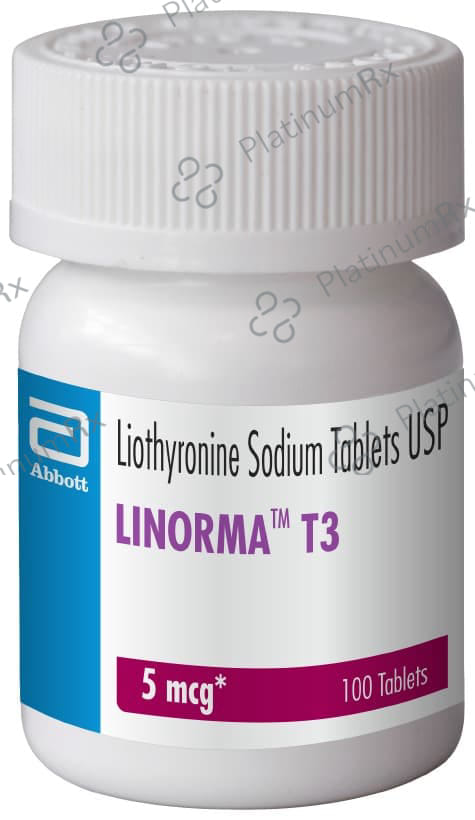
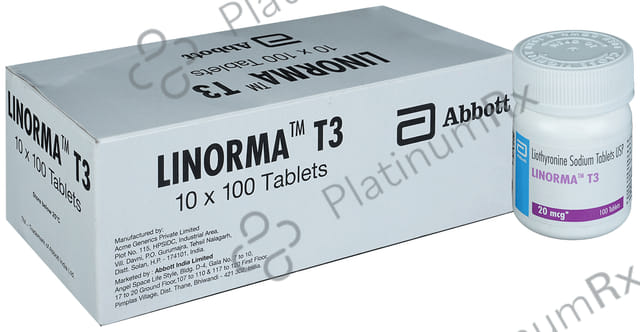
- Liothyronine (T3) or Combination Therapy Used in specific cases where levothyroxine alone doesn't fully relieve symptoms, sometimes added in smaller doses alongside T4. This is a more individualised approach, decided case by case.
- Desiccated Thyroid Extract A natural hormone preparation derived from animal thyroid gland, containing both T4 and T3. Some patients and doctors prefer this option, though dosing can be less predictable than synthetic levothyroxine.
How Do Medicines for Hypothyroidism Work?
Medicines used for hypothyroidism work by directly replacing the hormone your thyroid gland isn't producing enough of unlike many other conditions, the medicine isn't blocking or masking anything, it's simply topping up what's missing. Levothyroxine is converted by the body into the active hormone your cells need for normal metabolism. Combination therapy adds a small amount of the more active T3 hormone directly, for people whose bodies don't convert T4 to T3 as efficiently. Over several weeks, hormone levels stabilise and symptoms like fatigue and weight gain typically start to ease.
How to Choose the Right Medicine for Hypothyroidism
Choosing the right medicine and dose is entirely a doctor's decision, guided by regular thyroid blood tests. Key factors include:
- Your current hormone levels and how low they are
- Age and body weight
- Existing heart conditions (older adults or those with heart disease often start on a lower dose)
- Pregnancy status (doses usually need to increase)
- Other medicines or supplements being taken
- How you respond to treatment over the following weeks
Dosage and How to Take Medicines for Hypothyroidism
- Dosage is decided by your doctor and adjusted based on regular thyroid blood tests
- Take it consistently, the same way every day either on an empty stomach 30–60 minutes before breakfast, or at bedtime at least 3 hours after your last meal
- Keep it separate from certain foods and supplements: coffee, high-fiber foods, soy, calcium, and iron can all reduce absorption leave a gap of about 4 hours between these and your dose
- If you miss a dose, take it as soon as you remember that day; if you only remember the next day, skip the missed dose rather than doubling up check with your doctor if unsure
- It typically takes 6–8 weeks to see the full effect of a dose change, so avoid adjusting your dose based on how you feel day to day
- Tell your doctor if you switch brands, as slight differences between products can affect your levels
- Tell your doctor as soon as you know you're pregnant, since dose requirements usually increase early in pregnancy
Side Effects and Precautions
Common Side Effects
When dosed correctly, levothyroxine typically causes very few side effects. Too high a dose can cause symptoms similar to an overactive thyroid palpitations, anxiety, tremor, or trouble sleeping. Too low a dose can mean fatigue, weight gain, or constipation persist. Both are reasons to review your dose with your doctor, not to adjust it yourself.
Precautions
- Known allergies to any medicine ingredient
- Existing heart conditions dose is often started low and increased gradually
- Pregnancy or breastfeeding dose usually needs adjusting, and monitoring is more frequent
- Other medicines or supplements, especially calcium, iron, and antacids
- Long-term over-replacement can affect heart rhythm and bone strength, which is why regular monitoring matters even once you feel well
Buy Medicine for Hypothyroidism Online from PlatinumRx
Once your doctor has prescribed medicine for your hypothyroidism, you can order it through PlatinumRx for convenient home delivery. Browse medicines by their composition and strength, compare prices, and keep up with your regular refills easily.