Medicine for Acute Renal Failure







Types of Medicines Used for Acute Renal Failure
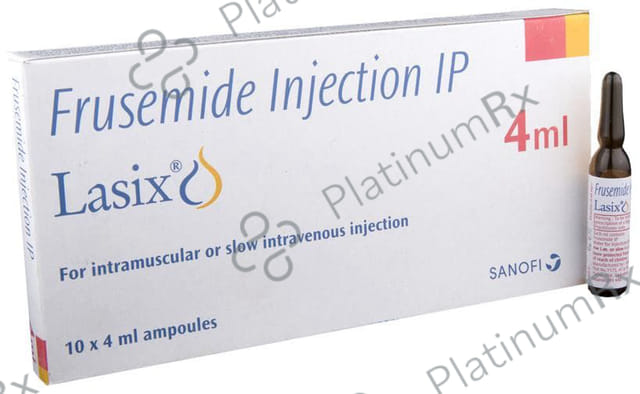
- Diuretics (Water Tablets) Used to help remove excess fluid when the body is retaining too much water, easing swelling and breathlessness. They don't repair the kidney itself and are used carefully, since they can affect fluid and electrolyte balance further.
- Potassium-Lowering Agents When potassium builds up to dangerous levels, these medicines help bring it down quickly to protect the heart, which is otherwise at risk of a dangerous rhythm disturbance.
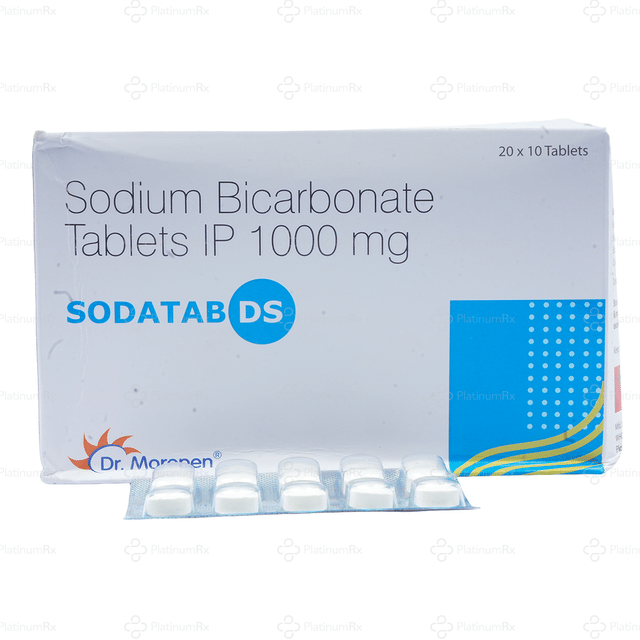
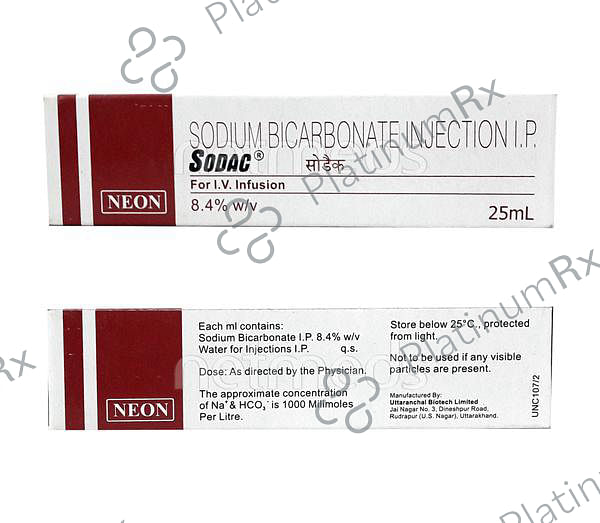
- Sodium Bicarbonate (Acid-Correcting Medicine) Helps correct the acid buildup in the blood that can happen when the kidneys aren't clearing waste properly.
- Phosphate Binders Reduce how much phosphate the body absorbs from food, helping keep phosphate levels in a safer range.
- Medicines That May Be Temporarily Paused Your doctor may pause certain regular medicines such as some blood pressure medicines, certain diabetes medicines, or pain relievers like NSAIDs during acute kidney injury, since these can add extra strain on the kidneys until they recover.
How Do These Medicines Work?
Medicines used in acute renal failure care work by supporting the body while the kidneys recover, rather than fixing the kidney itself. Diuretics help push out extra fluid, potassium-lowering medicines pull dangerous potassium out of the bloodstream, sodium bicarbonate neutralises excess acid, and phosphate binders reduce phosphate absorbed from meals. None of these treat the underlying cause that's addressed separately based on what triggered the kidney injury (such as dehydration, infection, or blocked urine flow).
How to Choose the Right Medicine
This is not a condition where medicine selection is left to the individual. The treating doctor decides based on:
- The underlying cause of the kidney injury
- Severity, based on blood tests (creatinine, potassium, etc.) and urine output
- Fluid balance and blood pressure
- Age and overall health
- Other medical conditions
- Other medicines already being taken (some may need to be paused)
Dosage and Safety
- Dosage is decided and adjusted by your doctor based on blood test results there is no standard home dose
- Doses often change frequently as kidney function and lab values change
- Take exactly as instructed, and attend all follow-up blood tests
- Never take over-the-counter pain relievers (especially NSAIDs like ibuprofen) without checking with your doctor first, as they can worsen kidney injury
- Do not resume any paused medicines on your own wait for your doctor's confirmation
- Do not start or stop any medicine, including herbal or over-the-counter products, without medical advice
Side Effects and Precautions
Common Side Effects
Diuretics may cause dehydration or electrolyte shifts if not monitored. Potassium-lowering agents can cause stomach upset or changes in other electrolytes. Phosphate binders commonly cause constipation or mild digestive discomfort.
Precautions
- Known allergies to any medicine ingredient
- Other existing conditions (heart disease, diabetes, liver disease)
- Pregnancy or breastfeeding always doctor-directed in this setting
- Interactions with other medicines, especially anything nephrotoxic (certain antibiotics, contrast dye, NSAIDs)
- Extra caution and closer monitoring for elderly patients and children
- Regular blood and urine tests are essential throughout treatment
Ordering Medicines for Acute Renal Failure Care from PlatinumRx
Once your doctor has prescribed medicines as part of your acute kidney injury treatment or recovery plan, you can order them through PlatinumRx for convenient home delivery. Upload your prescription, and our platform will help you access the exact medicines and strengths advised by your treating doctor.