Pantoprazole: Uses, Side Effects & Who Should Avoid It
Last Updated: November 2, 2026

Summary
Pantoprazole is a tablet that lowers the amount of acid your stomach makes. Its main uses are acid reflux that keeps coming back, a sore food pipe, and stomach or duodenal ulcers. In India it is a prescription-only medicine, so you cannot buy it without a valid doctor's prescription. Most people take one tablet a day and get relief within a few days.
Key Takeaways
- What it is: A proton pump inhibitor tablet that lowers the acid your stomach makes.
- Active ingredients: Pantoprazole, as pantoprazole sodium, in 20 mg and 40 mg tablets.
- Used for: Acid reflux, a sore food pipe, stomach and duodenal ulcers, and H. pylori treatment.
- Not meant for: Heartburn you have not had checked, or anyone told to avoid it.
- Prescription: Needed in India. Take it only on a doctor's advice.
- How to take: Swallow whole with water, about an hour before a meal.
- Common side effects: Headache and loose stools, usually mild and short-lived.
What Is Pantoprazole?
Pantoprazole is a proton pump inhibitor, a tablet that cuts the acid your stomach makes. In India it comes as delayed-release tablets of 20 mg and 40 mg, and as a 40 mg injection used in hospitals. The tablet has a special coating so it passes through the stomach and is absorbed further down.
Medicine Containing Pantoprazole
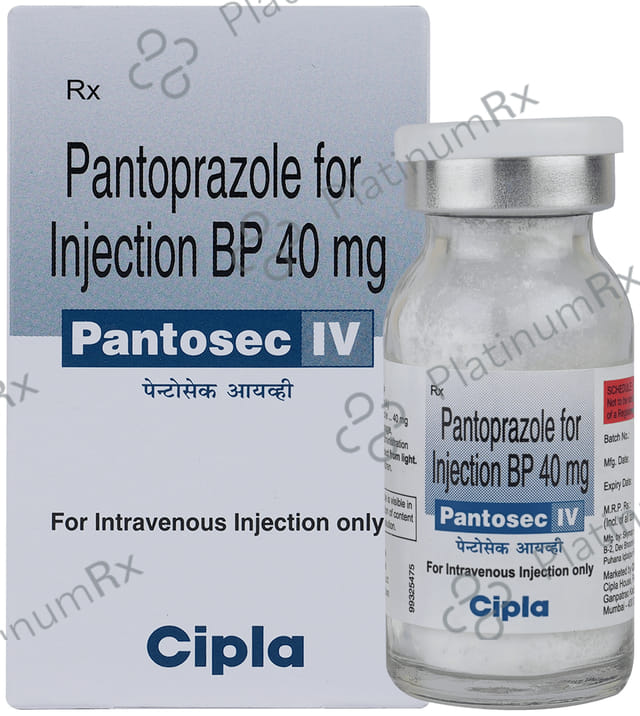
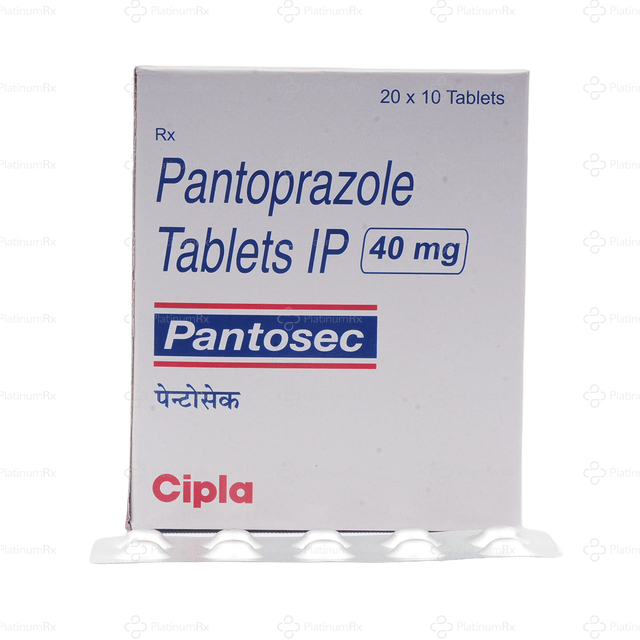


Pantoprazole Composition (Per Tablet)
| Ingredient | Amount | Type | What it does (in simple words) |
|---|---|---|---|
| Pantoprazole (as pantoprazole sodium) | 20 mg | Proton pump inhibitor | Lowers the acid your stomach makes |
| Pantoprazole (as pantoprazole sodium) | 40 mg | Proton pump inhibitor | Same effect at a higher strength |
Both strengths work the same way; only the strength differs. Check the exact strength printed on your pack, because your doctor may change it during treatment.
How Does Pantoprazole Work?
Your stomach lining has tiny pumps that push acid out. Pantoprazole gets inside those cells and switches the pumps off, so less acid is made. The acid that does wash back is then less harmful to your food pipe, and less acid sits against an ulcer. One dose keeps acid low for more than 24 hours, which is why most people need only one tablet a day.
Uses of Pantoprazole
Doctors usually prescribe pantoprazole for:
- Acid reflux and heartburn (GERD), the burning many people call acidity, caused when stomach acid washes back up
- Reflux oesophagitis, where that acid has left the food pipe sore and swollen
- Stomach and duodenal ulcers
- H. pylori infection, always together with two antibiotics, never on its own
- Zollinger-Ellison syndrome, a rare condition where the stomach makes far too much acid
Pantoprazole does not kill the H. pylori germ by itself. It also works more slowly than an antacid, so it is not the tablet to reach for during sudden, severe pain.
Acid Reflux vs Gas: Is Pantoprazole Right for You?
Many people call any upper-belly discomfort "gas" and reach for an acid tablet. The two are not the same.
| Acid reflux | Gas and bloating | |
|---|---|---|
| What it feels like | Burning behind the breastbone, sour taste | A full, tight belly, burping, wind |
| Sign or pattern | Worse after a heavy meal or lying down | Worse after fried or rich food |
| Is pantoprazole suitable? | Yes, if a doctor prescribes it | Usually no |
| What usually helps | Smaller meals, sleeping head-up, prescribed treatment | Eating slowly, cutting fizzy drinks, walking after meals |
Taking pantoprazole for ordinary gas rarely helps, and it can hide a serious problem that needs its own tests, such as an ulcer or stomach cancer. Also Read About:- Pantoprazole vs Omeprazole
How to Take Pantoprazole Tablet
- Swallow the tablet whole with a glass of water. Do not crush, chew or split it, because the coating protects the medicine.
- Take it about an hour before a meal, as most Indian labels advise. If you forget, you can still take it with food.
- Take it at the same time each day, so the habit is easy to keep.
- Keep taking it for as long as your doctor advised, even after you feel better.
- Do not stop on your own after a long course without asking your doctor first.
Dosage of Pantoprazole
Your doctor sets the dose and the length of treatment. It depends on your condition, your symptoms and how well you respond.
Most adults with acid reflux or an ulcer take 40 mg once a day. For H. pylori, the usual dose is 40 mg twice a day for 7 to 14 days, along with two antibiotics. For Zollinger-Ellison syndrome, treatment may start at 80 mg a day and be adjusted from there.
Never increase the dose on your own. A higher dose does not heal an ulcer faster, but long-term use at high doses does raise the risk of broken bones and low magnesium.
Children should take pantoprazole only if a paediatrician prescribes it, because the age limit and dose differ between brands. Taking one or two extra tablets is very unlikely to harm you. If you have taken much more, or you feel unwell, contact your doctor or go to the nearest emergency department and take the pack with you.
What If You Miss a Dose?
Take the missed tablet as soon as you remember, unless your next dose is less than 12 hours away. In that case, skip it and take the next one at the usual time. Never take two tablets to make up for a missed one.
How Long Does It Take to Work?
Most people start to feel better in 2 to 3 days, but it can take up to 4 weeks for symptoms to come fully under control. If you are no better after 2 weeks, or you feel worse at any point, see your doctor.
Storage
Keep the tablets in their original strip or bottle, tightly closed, at room temperature and away from heat and damp. Store them out of children's reach, and do not use them after the expiry date on the pack.
Side Effects of Pantoprazole
Most people take pantoprazole without any trouble. When side effects happen, they are usually mild and settle on their own.
Common and mild:
- Headache
- Loose stools or diarrhoea
- Feeling sick
- Stomach pain
- Wind or bloating
- Dizziness
- Joint pain
Rare but serious (stop the medicine and see a doctor right away):
- Blistering, peeling or bleeding skin, or sores in the mouth
- Severe diarrhoea that does not settle, with fever or stomach pain
- Swelling of the face, lips or throat, or trouble breathing
- Muscle cramps, fits or an irregular heartbeat, which can point to low magnesium
- Passing much less urine, or feeling very tired and sick, which can mean a kidney problem
- A new rash on sun-exposed skin, with or without painful joints
Headache and loose stools are the two most reported effects. They are not a sign that you are allergic. Most people notice them in the first few days and they settle on their own.
Who Should Not Take Pantoprazole
- Anyone allergic to pantoprazole or any similar "prazole" medicine
- People taking an HIV medicine that contains rilpivirine
Precautions
Tell your doctor before taking pantoprazole if you have:
- Liver disease (your doctor may check your liver tests, especially on long treatment)
- Kidney problems (a rare kidney inflammation can happen at any time on this medicine)
- Low magnesium, vitamin B12 or calcium, or weak bones with a high fracture risk
- A planned endoscopy (the tablet can hide some problems from the camera)
- Pregnancy, or a plan to become pregnant (it is usually avoided in pregnancy)
- Breastfeeding (a small amount passes into milk; your doctor will weigh the benefit)
- A child below the age limit printed on the pack (some Indian brands start at 5 years, others at 12)
- An age over 65, with treatment likely to last more than a year (your doctor will review it regularly)
Drug Interactions
| Medicine | What can happen |
|---|---|
| HIV medicines that contain rilpivirine | Must not be taken together |
| Other HIV medicines such as atazanavir | Pantoprazole can lower their levels and weaken them |
| Warfarin and other blood thinners | Bleeding risk may rise; your blood needs checking |
| Methotrexate, especially at high doses | Levels can rise and cause side effects |
| Iron tablets | Less iron is absorbed; ask your doctor about timing |
| Ketoconazole, itraconazole, erlotinib | Less is absorbed when stomach acid is low |
| Water tablets (diuretics) and digoxin | Magnesium can fall; levels may need checking |
Always tell your doctor about every medicine, supplement or home remedy you are using. There is no specific warning against alcohol with pantoprazole, but alcohol can make reflux and stomach pain worse.
FAQs
When to See a Doctor
Pantoprazole eases acid symptoms but cannot show what is causing them. See a doctor quickly if you have any of these, or if you are no better after 2 weeks of treatment:
- Vomit that looks like coffee grounds, or blood in your vomit
- Black, sticky stools
- Trouble swallowing, or food sticking on the way down
- Weight loss you did not plan
- Paleness and tiredness that do not improve
- Stomach pain that is severe or getting worse
The Bottom Line
Pantoprazole is a widely used tablet for acid reflux, a sore food pipe and ulcers, and it does its job well when taken as prescribed. Swallow it whole, once a day at about the same time, for exactly as long as your doctor advised. Headache and loose stools are the usual side effects, and they settle quickly for most people.
References