Obesema For Weight Loss: What It Is, How It Works, Uses, Benefits, Dosage, and Safety Guide
Last Updated: November 23, 2026

Written by:
Umme Hani P, B.Pharma
Reviewed by:
Dr. Sekh Addil, MBBSPublished date: 23-Nov-2026
Summary
Obesema is an Indian-branded injectable prescription medicine containing semaglutide, a GLP-1 receptor agonist that curbs appetite, slows digestion, and regulates blood sugar to support sustained weight loss. It is suited for adults with a BMI of 27.5+ or 22.5+ with a weight-related condition such as type 2 diabetes, PCOS, or MASLD, and is backed by large clinical trials showing up to 14.9% average weight reduction over 68 weeks. Administered as a once-weekly injection under medical supervision, it works best alongside lifestyle changes, and discontinuing treatment without a doctor's guidance is likely to result in weight regain.
Key Takeaways
- Semaglutide-based GLP-1 injectable, most clinically validated weight loss medicine class available
- Reduces appetite, slows digestion, and improves blood sugar
- Up to 14.9% average weight reduction over 68 weeks in trials
- Suited for BMI 27.5+ or 22.5+ with a weight-related condition
- Once-weekly injection, low starting dose, titrated gradually
- Schedule H prescription only
- Weight regain is likely if treatment stops without lifestyle changes
Introduction
Losing weight is not always a matter of trying harder. For many people, the struggle is tied to how the body regulates hunger, stores fat, and responds to food at a hormonal level, and when those mechanisms are disrupted, as they often are in obesity, type 2 diabetes, PCOS, or fatty liver disease, lifestyle changes alone frequently fall short.
Obesema is a clinically supported weight loss medicine gaining recognition in India's obesity treatment landscape. This guide covers what it is, how it works, who it is suited for, and what to discuss with your doctor before starting.
What Is Obesema Injection?
Obesema is an injectable prescription medicine containing semaglutide, a GLP-1 receptor agonist, the most clinically validated class of medicines available for obesity treatment. It mimics a gut hormone that regulates hunger, blood sugar, and how the body processes food after eating.
The same active ingredient is found in Ozempic and Wegovy. Obesema is an Indian-branded generic formulation, making semaglutide-based treatment available at a more accessible price point in India. It is a Schedule H prescription medicine, not a supplement and not available over the counter.
Obesema Injection Composition and Available Strengths
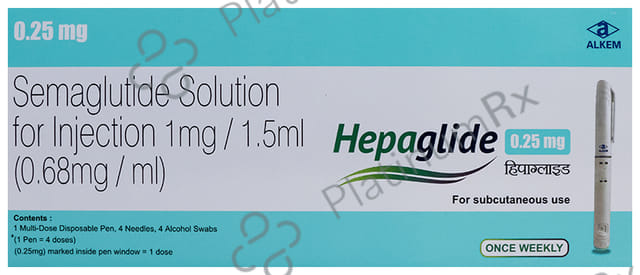
Obesema Injection contains semaglutide as its active ingredient. It is available in different strengths to support gradual dose escalation and maintenance treatment.
The available strengths include:
- Obesema 0.25 mg Injection
- Obesema 0.5 mg Injection
- Obesema 1 mg Injection
- Obesema 1.7 mg Injection
- Obesema 2.4 mg Injection
The injection is supplied in prefilled pen formats. Your doctor will select the appropriate strength depending on your treatment plan, response and tolerance.
How Does Obesema Work?
After eating, the gut releases GLP-1, a hormone that signals fullness, prompts insulin release, and slows stomach emptying. In people with obesity or insulin resistance, this signalling is blunted.
Semaglutide works by mimicking this hormone and amplifying its effects across three key areas:
- Appetite control: Semaglutide acts on GLP-1 receptors in the hypothalamus, the part of the brain that governs hunger. Patients typically find that their appetite reduces noticeably, their interest in food between meals decreases, and they feel satisfied with smaller portions.
- Slower gastric emptying: The medicine slows how quickly food leaves the stomach. Meals feel more filling for longer, which naturally reduces overall calorie intake without requiring constant conscious effort.
- Blood sugar regulation: Semaglutide stimulates insulin release when blood sugar rises after eating, whilst simultaneously suppressing glucagon, the hormone that pushes blood sugar up. Crucially, it does this in a glucose-dependent way, which means it only acts when blood sugar is elevated, keeping the risk of hypoglycaemia low.
These three mechanisms work together to reduce how much you eat, improve how your body handles blood sugar, and support consistent weight loss over time.
Who Can Use Obesema Injection?
Obesema Injection may be prescribed to eligible adults for chronic weight management alongside a reduced-calorie diet and increased physical activity.
The weight management eligibility criteria include:
- Adults with an initial BMI of 30 kg/m² or above (obesity).
- Adults with an initial BMI of 27 kg/m² or above (overweight) who have at least one weight-related health condition, such as high blood pressure, type 2 diabetes or abnormal cholesterol levels.
A doctor must assess your medical history, BMI, existing health conditions and treatment requirements before prescribing Obesema. Having excess weight alone does not mean this injection is suitable for everyone.
What Does the Evidence Show?
Semaglutide is among the most extensively studied weight loss medicines in existence. The evidence base is not built on small or short-term studies but comes from large, multi-year clinical trials involving thousands of patients.
The STEP 1 trial[1], over 1,900 adults with obesity or overweight, found average weight loss of 14.9% over 68 weeks versus 2.4% on placebo, alongside meaningful reductions in blood pressure, waist circumference, and cardiovascular risk.
The SUSTAIN programme[2] in type 2 diabetes showed 6 to 9% weight reduction alongside significant HbA1c improvements.
A Phase 2 MASLD trial[3] in the New England Journal of Medicine found 59% of patients on semaglutide achieved resolution of liver inflammation versus 17% on placebo.
Even a 5 to 10% reduction in body weight produces real clinical benefit, lower blood pressure, better blood sugar, reduced liver fat, and lower cardiovascular risk.
Obesema Dosage: How Is It Used?
Obesema is given as a subcutaneous injection, delivered under the skin in the abdomen, thigh, or upper arm, once a week, on the same day each week.
Treatment always begins at a low dose and increases gradually over several weeks. This is not optional since the titration schedule exists specifically to reduce gastrointestinal side effects, particularly nausea, which is most common in the early weeks and tends to settle as the body adjusts.
A standard semaglutide titration schedule looks like this:
Treatment period Weekly dose
- Weeks 1–4:- 0.25 mg
- Weeks 5–8:- 0.5 mg
- Weeks 9–12:-1 mg
- Weeks 13–16:- 1.7 mg
- Week 17 onwards:- 2.4 mg
Your doctor will determine the right maintenance dose for you based on how well you are tolerating the medicine and how your weight loss is progressing. Do not adjust your dose independently.
Obesema Injection Price in India
The price of Obesema Injection in India depends on its strength, dosage and packaging. Obesema contains semaglutide and is available in different strengths for prescribed treatment. Since it is a prescription medicine, the appropriate strength and treatment schedule should be determined by your doctor.
At PlatinumRx, Obesema Injection is available through an on-call ordering process. Patients can contact our team to enquire about its availability and pricing.
If you are looking for a more affordable option, PlatinumRx also offers alternative medicines containing the same active ingredient (semaglutide) through its online pharmacy. These alternatives can help you save up to 60% compared with the applicable branded medicine price.
You can explore the available semaglutide alternatives online, compare their strengths and prices, and choose an option after consulting your doctor.
Why consider buying semaglutide alternatives from PlatinumRx?
- Same active ingredient: Available alternatives contain semaglutide, the active ingredient in Obesema.
- Save up to 60%: Explore more affordable options compared with the applicable branded medicine price.
- Online ordering: Browse available alternatives and order through PlatinumRx.
- Prescription-based purchase: Semaglutide injections require a valid prescription and appropriate medical supervision.
The alternative medicine's strength, formulation, dosage and suitability should be checked before switching from Obesema. Always consult your doctor before making a substitution.
Benefits of Obesema for Weight Loss
For patients who meet the clinical criteria and use the medicine as part of a supervised programme, Obesema offers a range of well-documented benefits:
- Sustained weight reduction over months, not the short-lived losses of crash diets
- Improved blood sugar control in type 2 diabetes and insulin resistance
- Reduced appetite and cravings day to day
- Improvements in blood pressure and cholesterol
- Reduced liver fat in MASLD and fatty liver disease
- Hormonal improvements in PCOS and PCOD, better insulin sensitivity and, in some cases, more regular cycles
These benefits are most pronounced when Obesema is used alongside dietary changes and regular physical activity. The medicine supports and reinforces healthier habits, it works with them, not around them.
Safety Considerations: Who Should Not Use Obesema?
Obesema is generally well tolerated, but it carries specific considerations that must be reviewed with a doctor before starting.
Common side effects: Most are gastrointestinal and occur in the first few weeks as the body adjusts:
- Nausea: Most frequently reported; settles with titration and smaller meals
- Vomiting: Less common; eating slowly and avoiding large meals helps
- Diarrhoea: Usually temporary and self-resolving
- Constipation: Managed with adequate hydration and fibre intake
- Bloating and abdominal discomfort: Mild and typically short-lived
- Starting at a low dose and eating smaller, lower-fat meals during the adjustment period reduces these considerably.
Obesema should not be used by:
- Patients with a personal or family history of medullary thyroid carcinoma (MTC) or Multiple Endocrine Neoplasia Type 2 (MEN-2)
- Patients with a history of pancreatitis
- Women who are pregnant, planning to become pregnant, or breastfeeding
- Patients with severe gastrointestinal conditions affecting motility, such as gastroparesis
Drug interactions: Because semaglutide slows gastric emptying, it can affect how quickly other oral medicines are absorbed into the bloodstream. Tell your doctor about every medication, vitamin, and supplement you are currently taking before starting Obesema.
Stopping treatment: The weight loss achieved with GLP-1 therapy tends to be maintained only while the medicine is continued. Most clinical guidelines now treat obesity as a chronic condition requiring long-term management. If you are considering stopping Obesema, discuss this with your doctor first rather than discontinuing on your own.
Conclusion
For patients in India managing obesity or excess weight alongside metabolic conditions, Obesema offers a clinically grounded option backed by strong trial evidence. It contains semaglutide, an ingredient with a well-established record across large-scale trials, in a formulation priced for the Indian market.
It is not a substitute for medical supervision or lifestyle change. But for the right patient, Obesema for weight loss can deliver results that go well beyond what diet and exercise alone can realistically achieve. If your weight has not responded despite genuine effort, speaking with your doctor about GLP-1 based treatment is a reasonable next step.
FAQs About Obesema For Weight Loss
References
- https://www.nejm.org/doi/full/10.1056/NEJMoa2032183
- https://www.thelancet.com/journals/lancet/article/PIIS0140-6736(21)00213-0/fulltext
- https://www.nejm.org/doi/full/10.1056/NEJMoa2028395
- https://jamanetwork.com/journals/jama/fullarticle/2777886
- https://www.nejm.org/doi/full/10.1056/NEJMoa1607141
- https://www.nejm.org/doi/full/10.1056/NEJMoa1901118
- https://www.japi.org/r6e7arp4/consensus-statement-for-diagnosis-of-obesity

Add PlatinumRx as a preferred source on Google