i-Pill Tablet: Uses, Dosage, Side Effects & FAQs
Last Updated: October 5, 2026
Summary
The emergency contraceptive tablet used in India contains levonorgestrel 1.5 mg; i-Pill is one brand of it. It is a single-tablet medicine taken after unprotected sex, or after your usual birth control let you down, to lower the chance of pregnancy. Levonorgestrel is a progestin that works mainly by stopping or delaying the release of an egg from the ovary. It is not yet settled whether these tablets can be sold in India without a prescription, so ask a doctor or pharmacist before you take one.
Key Takeaways
- What it is: A single-tablet emergency contraceptive, often called the morning-after pill.
- Active ingredients: Levonorgestrel 1.5 mg.
- Used for: Lowering the chance of pregnancy after unprotected sex or contraceptive failure.
- Not meant for: Regular birth control, or anyone already pregnant. It does not stop HIV or other sexually transmitted infections.
- Prescription: Under review in India. Until the rules are settled, ask a doctor or pharmacist before taking it.
- How to take: One tablet with water, as soon as possible and within 72 hours.
- Common side effects: Nausea, headache, tiredness, lower abdominal pain, breast tenderness and a changed next period, which usually pass on their own.
What Is i-Pill?
i-Pill is a single-tablet emergency contraceptive, the kind people often call the morning-after pill. It is a one-time backup, not a course of tablets to finish, and it is meant for the days when something has gone wrong with your usual protection.
Buy i-pill Tablet Online and Its Substitute
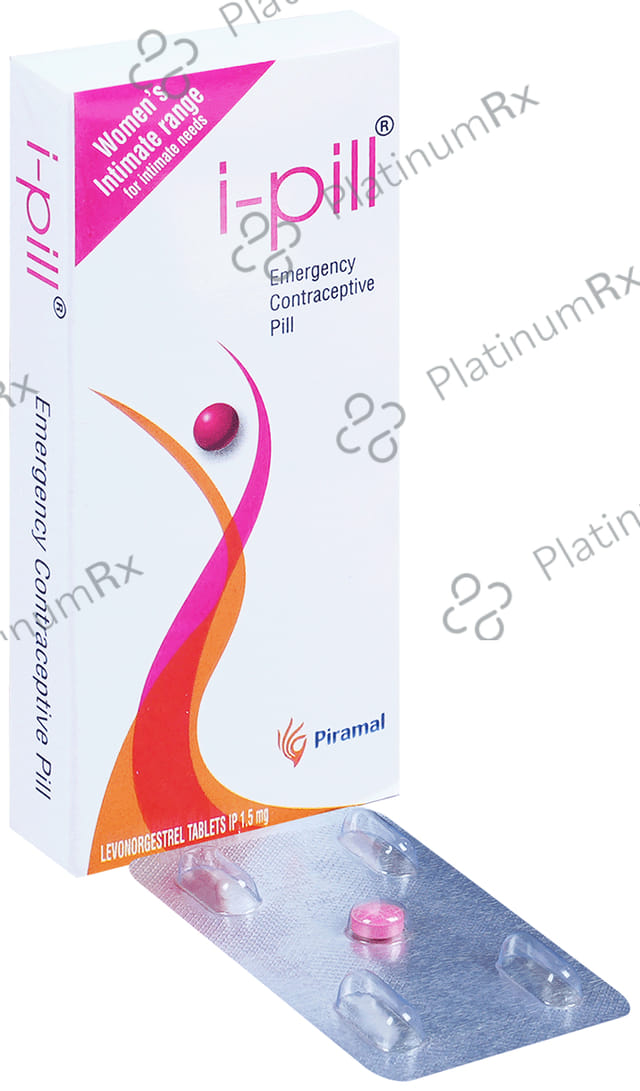
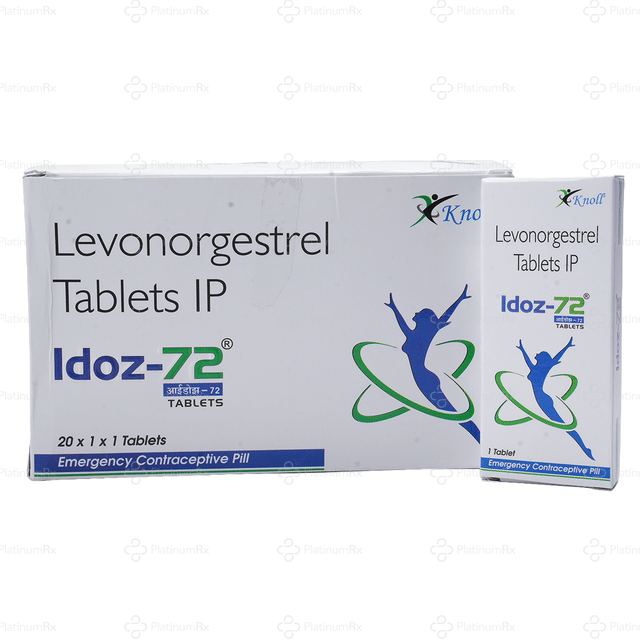
i-Pill Composition (Per Tablet)
| Ingredient | Amount | Type | What it does (in simple words) |
|---|---|---|---|
| Levonorgestrel | 1.5 mg | Progestin (emergency contraceptive) | Stops or delays the release of an egg from the ovary. |
There is only one active ingredient, so there is no combination to balance and no second medicine hiding in the tablet.
Emergency contraception is also made as two tablets of levonorgestrel 0.75 mg each, taken 12 hours apart; i-Pill itself is the single-tablet form. Check the strength printed on your pack before you rely on it.
How Does i-Pill Work?
Levonorgestrel works before an egg is released from the ovary. It holds back the hormone signal that makes the ovary release the egg, so ovulation is delayed or stopped altogether for that cycle. With no egg released, sperm has nothing to meet and a pregnancy cannot start. It is not an abortion tablet: if an egg has already been fertilised and settled in the womb, i-Pill does not disturb it.
Uses of i-Pill
Emergency contraception is meant for the days when something goes wrong:
- Unprotected sex, where no contraceptive was used at all.
- A condom that broke, slipped, or was put on incorrectly.
- Birth control pills that were missed - for example, three or more combined pills in a row.
- A late or missed contraceptive injection, or an IUD or implant that came out.
- A diaphragm or cap that moved, tore, or was removed too early.
- In situations where contraception was not used and there is a risk of unintended pregnancy.
i-Pill does not treat any infection and does not protect you from HIV or other sexually transmitted infections.
Emergency Contraception vs a Regular Birth Control Pill: Is i-Pill Right for You?
| i-Pill (emergency) | Regular birth control pill | |
|---|---|---|
| What it is for | A one-time backup after something went wrong | Ongoing protection you keep up every day |
| Pattern | One tablet, taken once, within 72 hours of sex | One tablet every day, whether or not you have sex |
| Is it suitable? | Yes, for occasional use | Yes, as your main method |
| What helps most | Taking it as early as possible | Taking it at the same time each day |
Used as your main contraceptive, i-Pill lets you down far more often than a regular pill does. Leaning on it month after month also brings more irregular bleeding. If you want protection you do not have to think about, a daily contraceptive pill or correctly used condoms are better choices.
How to Take i-Pill
- One tablet is the whole dose. There is no second tablet to take later.
- Timing decides how well it works. The sooner after unprotected sex it is taken, the better it works. It is licensed for use within 72 hours and works best in those first three days, but it still has some effect up to 120 hours (five days), growing steadily less reliable.
- It is a tablet taken by mouth. You can continue your normal diet.
- Your regular contraception can restart straight away. You can begin your usual pill, patch, ring or injection immediately after taking i-Pill.
- It is not a monthly routine. If you need protection every month, a regular contraceptive works far better.
Dosage of i-Pill
i-Pill comes as one tablet of levonorgestrel 1.5 mg, and that single tablet is the whole dose. There is no daily schedule to follow and no course to finish.
Your doctor or pharmacist decides whether i-Pill suits you, based on how long ago the unprotected sex happened, your body weight, and the other medicines you take.
Never take extra tablets to try to improve the result. Repeating it in the same month does not give better protection, and it does bring more irregular bleeding.
Warnings on the Pack
India's Drugs Technical Advisory Board (DTAB) reviewed emergency contraceptives at its meeting on 16 February 2026. It recommended adding levonorgestrel 0.75 mg and 1.5 mg tablets to entry 15 of Schedule K of the Drugs Rules, 1945, with three boxed warnings on the primary label, carton and package insert, including a warning not to take the medicine more than twice in a month. CDSCO issued the draft amendment G.S.R. 792(E) on 3 September 2026. It is a draft and is not yet in force.
Schedule K entry 15 currently names only combined oral contraceptives, so the position for these single-ingredient tablets is still open. Until the amendment is notified, ask a doctor or pharmacist before you take i-Pill.
What If You Take Too Many Tablets?
Nausea and vomiting are the usual effects. Go to the nearest hospital emergency department straight away and carry the strip or pack with you. In India call 112 for emergency help, or 108 for an ambulance.
What If You Miss a Dose or Vomit After Taking It?
i-Pill is a single-dose medicine, so there is no daily tablet to forget. The one timing that matters is getting it taken as soon after unprotected sex as possible.
If you vomit within 2 hours of taking the tablet, it may not have been absorbed. Ask a doctor or pharmacist whether the dose needs to be repeated.
There is no second tablet to take. If you are unsure whether the dose worked, speak to a doctor or pharmacist rather than taking another tablet on your own.
How Long Does It Take to Work?
There is no waiting period before i-Pill starts working — its effect on ovulation begins as soon as the tablet is absorbed. What you actually wait for is your next period.
Your next period may come up to a week early or a week late. If it is more than a week late, take a pregnancy test and speak to a doctor.
Storage
Store i-Pill at room temperature, between 20°C and 25°C, away from direct light and damp — not in the bathroom. Keep it in its original blister pack and out of reach of children, and check the expiry date before you rely on it.
Side Effects of i-Pill
Most people get on fine with i-Pill. If side effects happen at all, they are usually mild and settle within a few days.
Common and mild:
- Nausea, and sometimes vomiting
- Headache
- Dizziness
- Tiredness
- Lower abdominal pain or cramps
- Breast tenderness
- A period that arrives early or late, is heavier or lighter than usual, or brings spotting
Rare but serious (stop the medicine and see a doctor right away):
- Severe lower abdominal pain, especially 3 to 5 weeks after taking the tablet. This can be a sign of a pregnancy growing outside the womb.
- Very heavy vaginal bleeding.
- An allergic reaction to levonorgestrel. Do not use i-Pill again if you have ever had one — see Who Should Not Take i-Pill below.
The nausea, headache and dizziness come from levonorgestrel itself. They are more likely if a second tablet is taken, or if i-Pill is used again and again in the same month.
Who Should Not Take i-Pill
Emergency contraception has no absolute medical contraindications, and there is no age limit. The label still says not to use i-Pill in two situations:
- Anyone allergic to levonorgestrel, or who has had an allergic reaction to it before.
- Anyone who is already pregnant. i-Pill will not work in that situation.
Precautions
Tell your doctor or pharmacist before taking i-Pill if you:
- Take efavirenz for HIV, rifampicin for tuberculosis, or medicines for epilepsy (seizures). These medicines may reduce how well levonorgestrel works, and another form of emergency contraception may suit you better.
- Take St John's wort, a herbal remedy for low mood. It can have the same effect.
- Have a body mass index over 30. i-Pill works less well at higher body weights. It should not be refused to you for that reason, but a doctor can talk you through more reliable options.
- Are already using a regular contraceptive. You can start or restart it immediately after i-Pill.
If you are breastfeeding, tell your doctor or pharmacist before taking i-Pill. Small amounts of levonorgestrel pass into breast milk. Progestin-only products such as levonorgestrel have not generally been shown to affect breastfeeding or a baby's growth and development, but isolated cases of decreased milk production have been reported.
Tell your doctor or pharmacist about every other medicine, supplement or home remedy you take.
Drug Interactions
| Medicine | What can happen |
|---|---|
| HIV medicines (efavirenz) | i-Pill may not work as well. Ask about a different emergency method. |
| Tuberculosis medicines (rifampicin) | The same — i-Pill can become unreliable. |
| Medicines for epilepsy (seizures) | These may reduce how well levonorgestrel works, so the tablet may not protect you. |
| St John's wort (a herbal remedy for low mood) | It can also make i-Pill less effective. |
| Your regular hormonal contraceptive (pill, patch, ring, injection) | No clash — you can start or restart it straight after i-Pill. |
Always tell your doctor or pharmacist about every medicine, supplement or home remedy you are using. Dizziness and nausea are recognised side effects of i-Pill, so take care if you feel unsteady.
When to See a Doctor
A tablet only lowers the chance of pregnancy. See a doctor quickly if you:
- Have severe lower abdominal pain, especially 3 to 5 weeks after taking i-Pill.
- Have very heavy vaginal bleeding — get emergency help that day rather than waiting for an appointment.
- Find that your period is more than a week late.
- Have unprotected sex again before your next period.
- Were given the tablet more than 72 hours after sex and want a more reliable option.
- Have been sexually assaulted, or feel distressed about what happened.
If you are struggling after a sexual assault, Tele-MANAS is the Government of India's free, 24x7 helpline on 14416 or 1800-891-4416.
The Bottom Line
The sooner i-Pill is taken after unprotected sex, the better it works. If your next period is more than a week late, take a pregnancy test.
FAQs
References