Hifenac-P Tablet: Uses, Composition, Side Effects & FAQs
Last Updated: October 6, 2026

Summary
Hifenac-P is a tablet for short-term pain, swelling and fever. It is a prescription-only medicine in India. Each tablet has two medicines. Aceclofenac brings down swelling and the pain that comes with it, and paracetamol eases pain and lowers fever. Together they make an aching, inflamed joint or muscle feel easier.
Key Takeaways
- What it is: A prescription tablet that eases short-term pain, swelling and fever.
- Active ingredients: Aceclofenac and paracetamol.
- Used for: Joint and back pain, arthritis, sprains and dental pain.
- Not meant for: Children, nerve pain, infections, an ulcer, heart failure, a heart attack, a stroke or severe liver or kidney disease.
- Prescription: Needed in India. Take it only if your doctor has prescribed it.
- How to take: Swallow it whole with water, with or after food.
- Common side effects: Indigestion, stomach pain, nausea, loose motions and dizziness; most are mild and settle.
What Is Hifenac-P?
Hifenac-P is a combination tablet for pain and swelling. It pairs aceclofenac, a non-steroidal anti-inflammatory drug (NSAID), with paracetamol, a plain pain and fever reliever. Hifenac also comes as tablets containing aceclofenac alone, and the "-P" in the name means paracetamol has been added.
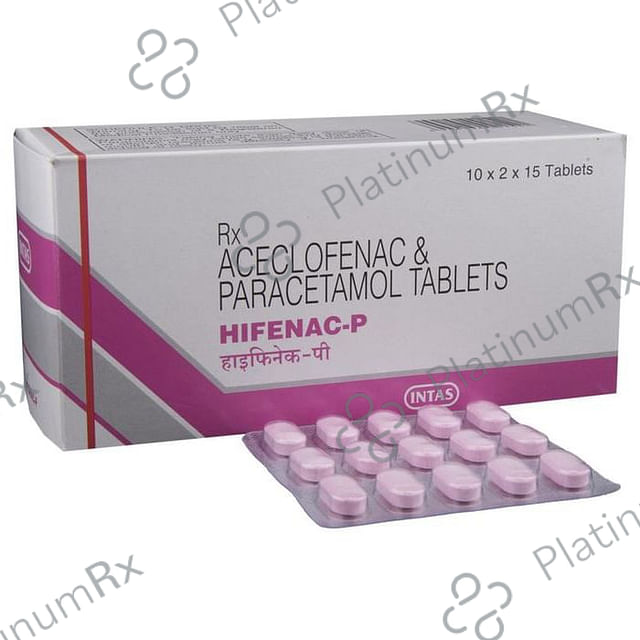
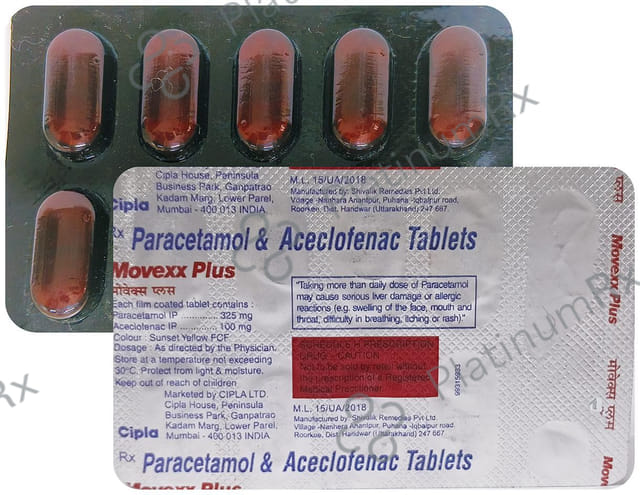
Hifenac-P Composition (Per Tablet)
| Ingredient | Amount | Type | What it does (in simple words) |
|---|---|---|---|
| Aceclofenac | 100 mg | NSAID (anti-inflammatory painkiller) | Brings down swelling and the pain that comes with it |
| Paracetamol | 500 mg | Analgesic and antipyretic | Eases pain and brings down fever |
How Does Hifenac-P Work?
Think of a swollen joint as a tap left running: aceclofenac turns off the water that makes the swelling, and paracetamol turns down the pain.
- Cool the swelling: Aceclofenac blocks cyclo-oxygenase (COX), the enzyme your body switches on where tissue is inflamed. With less COX, the body makes fewer prostaglandins - the chemicals that cause the swelling, heat and pain.
- Blunt the ache: Paracetamol raises your pain threshold, the point at which something starts to hurt, and acts on the brain's heat centre to bring a fever down.
Aceclofenac leaves the stomach-protecting version of that enzyme largely alone, so it upsets the stomach less than older painkillers.
Uses of Hifenac-P
Doctors usually prescribe Hifenac-P for short-term relief of:
- Osteoarthritis, where the joint's cushioning cartilage wears down and the joint aches
- Rheumatoid arthritis, where the body's own defences inflame the joints
- Ankylosing spondylitis, a long-term condition that stiffens the spine
- Low back pain, sprains and other short-term muscle and joint pain
- Toothache and pain after dental work
Hifenac-P only eases symptoms. In long-term conditions such as arthritis, it is used as a short course of symptom relief alongside your arthritis treatment. It does not treat joint damage or kill germs; an infection needs a separate medicine.
Inflammatory Pain vs Nerve Pain: Is Hifenac-P Right for You?
| Feature | Inflammatory pain | Nerve pain |
|---|---|---|
| What it feels like | Aching, sore, hot and swollen | Burning, tingling or electric shocks |
| Sign or pattern | Hurts more when you move or press it | Often runs down an arm or a leg |
| Is Hifenac-P suitable? | Yes, if prescribed | No |
| What usually helps | Painkillers for swelling, rest and gentle movement | Your doctor must find the cause and may use another kind of medicine |
How to Take Hifenac-P Tablets
- Swallow the tablet whole with a full glass of water. Do not crush, split or chew it.
- Take it with food or just after a meal, to lower the chance of stomach upset.
- Doctors usually advise one tablet twice a day, morning and evening, at about the same times each day.
- Do not keep taking it for longer than your doctor advised without checking back.
Dosage of Hifenac-P
Your doctor sets your dose, based on your age, your symptoms and how well your liver and kidneys work. The usual adult dose is one tablet twice a day, and never more than two tablets a day. If your liver is not working well, the starting dose is usually reduced to one tablet a day.
Never increase the dose on your own. A third tablet does not ease pain faster. It does raise the risk of stomach bleeding, and the extra paracetamol puts pressure on your liver.
Hifenac-P is not for children. There is no information on using aceclofenac in them, and an adult tablet is never given to a child.
If you take too much, go to the nearest hospital emergency department straight away, even if you feel fine at first. Paracetamol can harm the liver before any symptoms appear, so take the strip with you. For an emergency, call 108 for an ambulance or 112.
What If You Miss a Dose?
Take the missed tablet as soon as you remember. If it is nearly time for your next dose, skip the missed one and carry on as usual. Never double up.
How Long Does It Take to Work?
Aceclofenac is absorbed quickly, so most people notice less pain within a few hours. Joint pain improves more slowly, over about two weeks, so go back to your doctor if nothing has changed by then.
Storage
Keep the tablets in their box below 30°C, away from light, damp and children. Do not store them in the bathroom or the fridge, and check the expiry date.
Side Effects of Hifenac-P
Most people take Hifenac-P without any trouble. When side effects happen, they are usually mild and settle on their own.
Common and mild:
- Indigestion, heartburn and stomach pain
- Feeling sick or vomiting
- Loose motions or constipation
- Wind and bloating
- Headache or dizziness
Rare but serious (stop the medicine and see a doctor right away):
- Stomach ulcer or bleeding, seen as black tarry stools or blood in vomit
- A heart or clot problem, seen as chest pain, breathlessness or sudden weakness on one side
- A severe skin reaction, seen as a spreading rash with blisters, or sores in the mouth or eyes
- A dark, round patch or blister that keeps coming back in the same spot (fixed drug eruption)
- A severe allergic reaction, seen as swelling of the face, lips or throat, or trouble breathing
- Liver trouble, seen as yellow eyes or skin, or very dark urine
Blood tests can occasionally show higher liver or kidney values, or a rash and itching can appear; your doctor may check these during long treatment. In July 2026, India's drug regulator listed fixed drug eruption as a recognised reaction to aceclofenac.
The stomach symptoms come from aceclofenac, which lowers the natural protection in your stomach lining. They are more likely at higher doses, with months of use, in people over 65, or after an ulcer.
Who Should Not Take Hifenac-P
- Anyone allergic to aceclofenac, paracetamol or any other ingredient
- Anyone whose asthma, nose or skin reacts to aspirin or other NSAIDs
- People with an active stomach ulcer or stomach bleeding
- Anyone who has bled or had an ulcer on an NSAID before
- People who have had a heart attack, angina or a stroke
- People with heart failure or poor circulation in the legs
- People with severely impaired liver or kidney function
- Women in the last three months of pregnancy
Precautions
Tell your doctor before taking Hifenac-P if you have:
- High blood pressure (aceclofenac can push it up, and can make some blood pressure medicines work less well)
- Heart risk factors such as diabetes, high cholesterol or smoking (these raise your heart risk, so your doctor will want the lowest dose for the shortest time)
- Stomach or gut problems such as an ulcer, ulcerative colitis or Crohn's disease
- Kidney or liver disease (the dose may need to change, and blood tests may be needed)
- Diabetes, especially on tablets or insulin (aceclofenac can rarely make blood sugar swing too low or too high)
- Asthma, or any allergy to painkillers
- Pregnancy, planning a pregnancy, or breastfeeding (Hifenac-P is not recommended)
- Being over 65 (stomach bleeding and other side effects are more likely)
In September 2025 the US FDA also asked pregnant women to discuss paracetamol with their doctor, because of a possible link with some developmental conditions in children. The evidence is not conclusive.
Also check your other medicines for paracetamol. Cold and flu tablets and headache powders often contain it, and imported packs may print it as acetaminophen or APAP. Too much harms the liver.
Drug Interactions
| Medicine | What can happen |
|---|---|
| Blood thinners such as warfarin, apixaban and clopidogrel | Bleeding becomes more likely |
| Other painkillers such as ibuprofen, diclofenac, naproxen and aspirin | More stomach irritation, ulcers and bleeding |
| Steroid tablets such as prednisolone | Adds to the stomach risk |
| Blood pressure medicines and water tablets (ACE inhibitors, ARBs, diuretics) | Blood pressure control gets worse and the kidneys come under strain |
| Methotrexate and lithium | These can build up to unsafe levels in the body |
| Digoxin | Levels can rise, which can affect the heart |
| Quinolone antibiotics such as ciprofloxacin and levofloxacin | Rarely, can set off fits |
| Diabetes medicines such as insulin, metformin and glimepiride | Blood sugar can rarely swing too low or too high |
Frequently Asked Questions About Hifenac-P
When to See a Doctor
Painkillers like Hifenac-P only ease symptoms. See a doctor quickly if you have:
- Vomit that is bloody or looks like coffee grounds, or black tarry stools
- Chest pain, breathlessness, or swelling in your ankles or legs
- Yellowing of the eyes or skin, or very dark urine
- A spreading rash, blisters, or sores in your mouth or eyes
- Swelling of the face, lips or tongue, or trouble breathing
- Pain that is getting worse, or new numbness or weakness in an arm or leg
For an emergency, call 108 for an ambulance or 112.
The Bottom Line
Hifenac-P is a prescription tablet for short-term pain, swelling and fever, most often used for joint, back and injury pain. Take it exactly as prescribed, and remember that more is not better. Most people get on with it without trouble, and the usual complaints, indigestion and stomach pain, settle once it is stopped.
References