Generic Cancer Medicines in India: Cost, Safety & Options
Last Updated: November 19, 2026


Written by:
Pankaj Kumar, B. Pharma
Reviewed by:
Dr. Varinderjeet Kaur, MBBSLast updated on:19-Nov-2026
Summary
Generic cancer medicines are copies of cancer drugs whose patents have ended. They contain the same active medicine but usually cost far less. In India they are prescription-only, and most still carry a brand name; Jan Aushadhi stores sell them by salt name. This guide covers approval, cost and switching.
Key Takeaways
- What it is: A cancer medicine made by other companies after the patent ends, often still branded.
- Active ingredients: The same cancer medicine as the original.
- Used for: The same cancers and plan your oncologist prescribed.
- Not meant for: Buying without a prescription, or switching without your oncologist's approval.
- Prescription: Needed in India. Never buy one without a valid prescription.
- How to take: Exactly as prescribed, with the same dose, timing and cycle.
- Common side effects: Tiredness, nausea, sore mouth and more infections, mostly as with the branded version.
What Are Generic Cancer Medicines?
A generic is a copy of a medicine no longer protected by a patent, which gives one company the sole right to sell a new medicine for some years.
A generic contains the same active medicine as the original. To license a copy in India, the maker must show it meets quality standards and, for most oral copies, that it gets into the body like the original.
Most cancer medicines here still carry a brand name: a widely cited audit found almost 80 in every 100 medicines sold in India are branded products.
Which Cancer Medicines Have Generic Options in India?
India has generic options for many older chemotherapy medicines. A 2021 comparison of the Jan Aushadhi (PMBJP) scheme list looked at 27 cancer drugs: nineteen cell-killing chemotherapy, five hormones and three acting on the immune system or bone. Examples include paclitaxel, doxorubicin, capecitabine and methotrexate.
Newer drugs stay under patent for years, so not every medicine has a generic. Some are biological products, made by living cells; India approves copies as similar biologics, not generics.
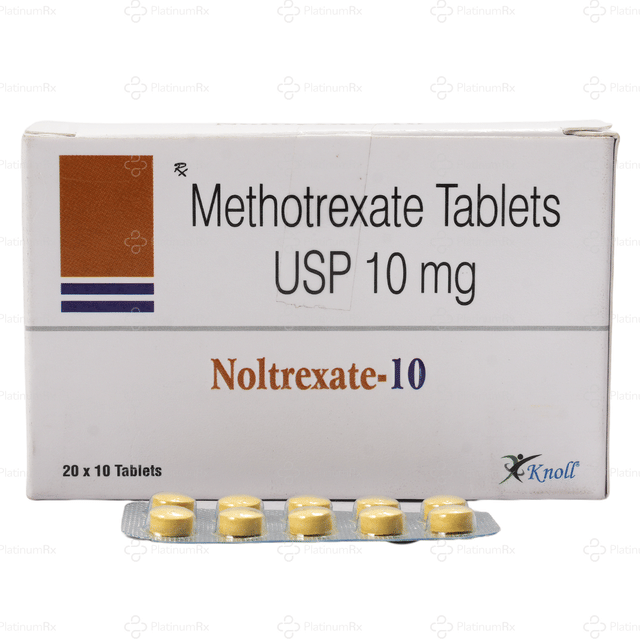
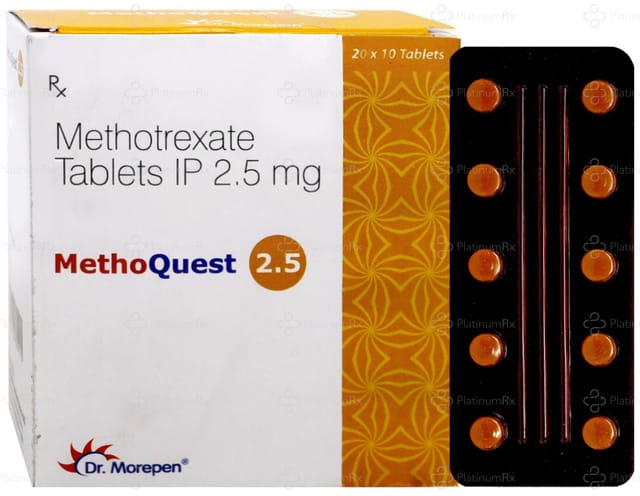
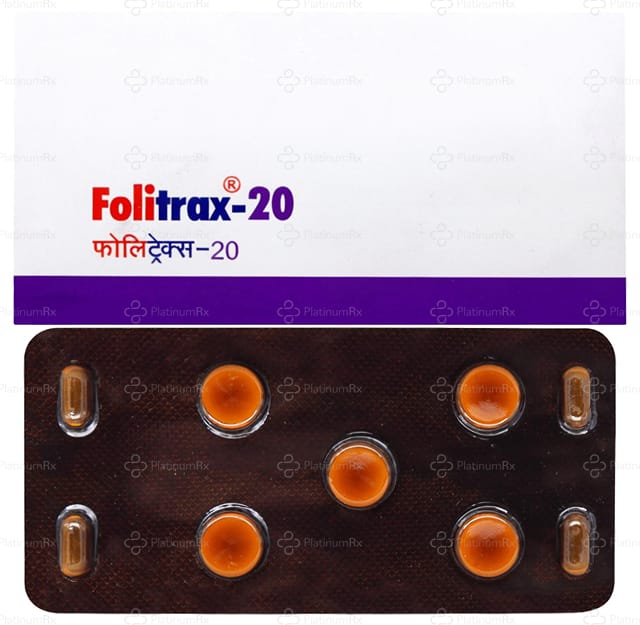
Buy Branded Generic Cancer Medicines




How Much Can You Save?
Savings vary a lot. The table shows 2021 prices for Jan Aushadhi drugs against the costliest and cheapest brands.
| Medicine and form | Jan Aushadhi | Costliest brand | Cheapest brand |
|---|---|---|---|
| Docetaxel 120 mg injection | ₹2,700 | ₹18,700 | ₹14,916 |
| Doxorubicin 50 mg injection | ₹250 | ₹8,585 | ₹2,555 |
| Letrozole 2.5 mg tablet | ₹3.40 | ₹38.80 | ₹6.00 |
| Methotrexate 2.5 mg tablet | ₹4.00 | ₹5.60 | ₹1.89 |
Prices are per vial or tablet, in rupees as reported in 2021. Small amounts are shown to the paise.
The gap is often huge: doxorubicin cost about 34 times more as the costliest brand. But methotrexate tablets were cheaper at Jan Aushadhi.
Hospitals save too. In a 2019-2020 pilot, the National Cancer Grid pooled orders from 23 of its 250-plus centres for 40 medicines, worth ₹15.6 billion at maximum retail price, and cut that by ₹13.2 billion.
How Are Generic Cancer Medicines Approved in India?
CDSCO, the Central Drugs Standard Control Organisation, approves new medicines first. For four years copies need central permission; after that, the State Drug Controller licenses them.
For oral copies of drugs in categories II and IV of the biopharmaceutical classification system, the maker must submit a bioequivalence study showing the copy gets into the body at about the same rate and amount as the original.
For biologicals, the 2016 similar biologics guideline asks for comparison studies.
What About Quality and Safety?
Quality problems exist, and India publishes the evidence. CDSCO releases monthly lists of drugs declared not of standard quality, or NSQ: batches that fail a strength, dissolution or purity test. A 2017 WHO estimate suggests at least 1 in 10 medicines in low- and middle-income countries are substandard or falsified.
On the other side, a 2026 quality check of 22 common medicines sold in Kerala found every sample passed. None was a cancer medicine, and the tests were in a laboratory, not the body, so it cannot show that cancer generics are equal.
A low price does not prove poor quality, and a high price does not prove good quality. The seller and the batch matter more.
What to Check Before You Switch
Do not change on your own. Ask your oncologist first, then check:
- The salt name and strength match your prescription.
- Your oncologist has approved the switch, ideally in writing.
- The pharmacy is licensed, and the bill shows the batch number and expiry.
- The batch is not on a recent CDSCO NSQ list.
How to Take Generic Cancer Medicines
Some cancer medicines are tablets you take at home:
- Take the exact dose written on your prescription, at the time your team advised.
- Swallow tablets whole unless your doctor or pharmacist says you may split or crush them; some tablets must not be cut.
- Keep the same cycle dates, and do not skip one without asking.
- Keep it out of reach of children, and never share it.
- Bring the pack to each visit.
How Much to Take
Your oncologist sets the dose, based on your cancer, weight, height, blood tests and cycle.
Never change the dose yourself: taking more than prescribed can make side effects worse. Doses for children come from a children's cancer specialist, never from an adult prescription.
If you think you have taken too much, go to the nearest emergency department at once with the pack.
What If You Miss a Dose?
If you miss a home tablet dose, call your oncology team. Do not take two doses to make up for it. If you miss an injection or drip appointment, call the hospital the same day.
How Long Does It Take to Work?
Cancer medicines work over weeks and months, not days. You will not feel them working, so your team checks progress with scans and blood tests. If you feel worse between checks, tell your team.
Storage
Store it as printed on the pack; some need a cool, dry place and some the fridge. Keep it out of reach of children, and do not use it after the expiry date.
Side Effects of Generic Cancer Medicines
Side effects are common, and most come from the active medicine, so they are usually the same as with the branded version. How bad they are depends on the medicine and your dose.
Common and mild:
- Tiredness and low energy.
- Feeling sick or being sick.
- A sore mouth and throat.
- More infections, and low blood counts.
- Constipation or loose motions.
- Temporary hair loss.
- Numbness or tingling in hands and feet.
Rare but serious (call your oncology team right away):
- A high temperature, or you feel hot, cold, sweaty or shivery.
- Unusual bruising or bleeding.
- A new rash, or swelling of the face, lips or throat.
Most settle once treatment stops, though some last longer.
Who Should Not Take Generic Cancer Medicines
- You have had a severe allergic reaction to this medicine before.
- You are allergic to another ingredient in the pack.
- You might be pregnant, unless your team prescribed it for pregnancy.
Precautions
Tell your doctor before starting if you have:
- Kidney or liver problems.
- An infection or a fever right now.
- Surgery or dental work planned.
- You are 65 or older, or weak or underweight.
- You take other medicines or herbal products.
- You are breastfeeding.
Use reliable contraception during treatment, and for as long as your team advises, if you or your partner could become pregnant. Some chemotherapy medicines can harm an unborn baby.
Some cancer medicines can affect fertility, sometimes permanently. Ask about fertility preservation before treatment starts.
Do not start any herbal product or supplement on your own during chemotherapy.
FAQs
When to See a Doctor
Call your oncology team now, or go to the emergency department, if you have:
- A high temperature, or you feel hot, cold, sweaty or shivery, or other signs of infection such as a sore throat.
- Bleeding that does not stop, or new bruises.
- Severe vomiting or diarrhoea, or you cannot keep fluids down.
- Sudden breathlessness, sharp chest pain, or a swollen, warm, painful leg or arm.
- A new rash, or swelling of the face, lips or throat.
Do not wait for your next visit, and do not take a fever medicine first.
Ambulance in India: 108. Any emergency: 112.
The Bottom Line
Generic cancer medicines contain the same active medicine as the branded version, and many older chemotherapy drugs cost a fraction of that price. Savings can run to more than 90% of that medicine's price.
Buy only from a licensed pharmacy, keep the bill and batch number, and check the batch has not been flagged by CDSCO. Let your oncologist decide whether to switch.
References

Add PlatinumRx as a preferred source on Google