




First Aid for Heart Attack: Emergency Steps & Tablets That Help

First Aid for Heart Attack: Emergency Steps & Tablets That Help

Word Count: 896
Read Time: Approximately 4 minutes

  • Introduction
  • What Actually Happens During a Heart Attack
  • First Aid for Heart Attack: How Non-Medics Can Help
  • Medicines That Play a Role in Heart Attack Care
  • In Conclusion
  • FAQs on First Aid for Heart Attack

Cardiovascular diseases (CVD) among Indians are a matter of serious concern, being the country’s leading cause of death and claiming more than a quarter of all fatalities. These numbers are not mere statistics but reveal how many lives are changed in an instant. Considering these numbers, it is easy to understand why knowing first aid for a heart attack is so important and how an emergency tablet for a heart attack can make a critical difference in those initial moments.

Myocardial infarction, in other words, a heart attack, is when blood flow to a part of the heart is blocked. Typically, this medical emergency is caused by a blockage in one or more of your heart’s arteries. Without this critical supply of blood to the heart, its muscles begin to die within minutes, thereby making speedy attention vital. Here are some SOS signals of the body may include: 

  • A crushing chest pain
  • Sudden sweating
  • Breathlessness
  • Discomfort radiating to the jaw or arm

Identifying the above signs early on can help bystanders act quickly, reach out to emergency services, and provide first aid for a heart attack to assist until medical help arrives. The medical team can then take over by analysing the prescribed medicines for the heart, and if required, an emergency tablet for a heart attack.

During a heart attack, prompt action from bystanders can greatly improve the chances of survival. Knowing how to act during this medical emergency can help in maintaining calm and doing the right thing before medical help arrives. Here are the steps bystanders can take to help during a heart attack: 

  • Call emergency services without delay. This is the most important step.
  • Stay with the person and give them reassurance, as panic often worsens the symptoms and the situation.  
  • Ensure they have unrestrictive air flow by loosening tight clothing and helping them get into a comfortable position.
  • Keeping your eye out for SOS symptoms such as persistent chest pain, breathlessness, or sweating can confirm urgency, and you will be able to convey the same to the medical team.
  • Finally, when performed by trained individuals, CPR can save lives. If you are untrained, you may have to wait for professional help.  

The real first aid for a heart attack remains prompt medical care. It is important to be trained with the right knowledge so you can assist in an emergency. Basic knowledge regarding prescribed medicines and even an emergency tablet for a heart attack (when advised by doctors) ensures better preparedness without replacing professional treatment. 

In the event of heart emergencies, some prescribed medicines are widely used for their role in saving lives. However, self-medication can be dangerous, so proper caution needs to be exercised when taking or administering these medicines. 

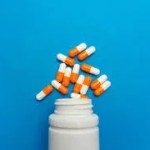
  • Aspirin (emergency tablet for a heart attack): This medicine is often discussed for its ability to reduce the formation of clots in the event of a cardiac incident. However, it must only be consumed if prescribed by a medical professional. 
  • Nitroglycerin (another emergency tablet for a heart attack): This helps in widening the blood vessels to offer relief from chest discomfort. However, it must never be given without appropriate medical guidance for oversight of the condition. 
  • Beta-blockers and ACE inhibitors: These medicines support the heart by reducing strain on it and lowering any future risks of a heart attack. 
  • Cholesterol-lowering medicines: The role of these medicines is to lower the buildup of plaque, thereby reducing the chances of another cardiac episode. 

Heart attacks are one of India’s leading health concerns. So, first-aid awareness and timely action are important for saving lives. In addition to these, it is also important to understand the role of prescribed medicines for well-rounded preparedness.

With PlatinumRx, access to trusted heart medicines is made simple, affordable, and easily accessible so families are prepared and informed in the event of an emergency. 

How to help yourself if you’re having a heart attack?

  • Start by calling emergency services without delay. 
  • Sit or lie in a comfortable position and take slow breaths. 
  • If prescribed, take your emergency tablet for a heart attack.  
  • Do not drive yourself; instead, wait for help to arrive. 

Chances of survival are improved with prompt attention and the right medicines for the heart. 

What is the first aid position for a heart attack?

Either keep yourself upright or in a half-sitting position with knees bent. This stance will ease the strain on the heart and support breathing when waiting for the medical team. 

What not to do during a heart attack?

Never ignore the symptoms or delay calling for medical help. Also, do not self-medicate, especially with non-prescribed medicines for the heart. Avoid unnecessary movement and try to remain calm. 

What is CPR for a heart attack?

CPR (Cardiopulmonary Resuscitation) is a life-saving emergency procedure. This procedure is put to use when the heart stops beating. Under this, chest compressions, sometimes with rescue breaths, are given to help maintain the blood flow until the medical team arrives. When done by trained individuals, immediate CPR can double or even triple the chances of survival.

References:
https://my.clevelandclinic.org/health/diseases/16818-heart-attack-myocardial-infarction
https://karpagamhospital.in/separating-fact-from-fiction-dispelling-heart-attack-myths-with-expert-insights-from-karpagam-hospital/#:~:text=The%20symptoms%20of%20a%20heart,be%20having%20a%20heart%20attack.
https://www.heart.org/en/health-topics/heart-attack/treatment-of-a-heart-attack/cardiac-medications#beta
https://www.mayoclinic.org/first-aid/first-aid-heart-attack/basics/art-20056679
https://www.medanta.org/patient-education-blog/heart-attack-first-aid-how-to-recognize-symptoms-act-fast
https://cpr.heart.org/en/resources/what-is-cpr

Related Articles