Burning Eyes: Causes, Symptoms and Treatment
Last Updated: November 2, 2026

Summary
Burning eyes feel like a hot, stinging or gritty sensation on the surface of one or both eyes. Most cases come from dry eye, allergy, inflamed eyelids or a mild infection. Lubricant drops, lid cleaning, screen breaks and less smoke or dry air settle most of them. A very painful red eye, pain in light or any change in your sight needs urgent care, not home treatment.
Key Takeaways
- What it is: A burning, stinging or gritty feeling on the surface of one or both eyes.
- Common cause: Dry eye, where your tears do not keep the eye surface moist.
- Other common causes: Allergy, inflamed eyelids, infection, contact lenses, smoke, dust, screens and some medicines.
- What helps: Lubricant drops, warm lid compresses, screen breaks, and keeping away from smoke and direct air conditioning.
- How long it lasts: Most burning from dryness, allergy or mild infection settles within days to a couple of weeks.
- When to get help: A very painful red eye, or a red eye while you wear contact lenses, needs a same-day check. Pain in light, sight changes or a very dark red eye needs emergency care.
- Emergency: A chemical splash or something stuck in the eye needs immediate care.
Symptoms of Burning Eyes
Burning eyes are a burning, stinging or gritty feeling on the surface of the eye. Some people say it feels like soap or sand is caught in the eye. It can affect one eye or both.
The feeling comes from the surface of the eye being irritated. A healthy eye stays covered by a thin film of tears, refreshed every time you blink. When that film is too thin, or breaks up too quickly, the surface dries and becomes inflamed - that is what you feel as burning.
Burning is a symptom, not a diagnosis. Most of the time it has a common, treatable cause. A few causes are serious and need to be seen quickly.
Along with the burning, you may notice:
- a gritty or sandy feeling, as if something is caught in the eye
- red eyes
- watery eyes, even though they feel dry
- blurred vision that clears when you blink
- eyes that are sensitive to light
Also Read About:- Air Pollution Allergy: Symptoms, Causes & Treatment
Common Causes of Burning Eyes
Most cases have an everyday explanation. Some causes are more likely with age, contact lenses, long screen hours, or a dusty or smoky home.
| Cause | What you may notice |
|---|---|
| Dry eye | Burning and grittiness, worse in air conditioning, wind or after long screen use |
| Inflamed eyelids (blepharitis) | Sore, crusty lids, lashes stuck together in the morning, burning with grittiness |
| Eye allergy | Itching with burning, red and watery eyes, usually both eyes, often seasonal |
| Conjunctivitis (red eye) | Burning or a gritty feeling with redness and sticky discharge |
| Contact lenses | Burning while wearing lenses, with redness that gets worse |
| Smoke, dust, wind, sun | Burning that starts soon after exposure and settles when you move away |
| Screens | Burning and tired eyes after long, unbroken screen use |
| Some medicines | Dry, burning eyes with antidepressants, antihistamines, water pills and some blood pressure medicines |
| Hormonal changes and age | Dryness and burning after 50, and around pregnancy, breastfeeding or menopause |
Two causes often overlap. Blepharitis blocks the tiny oil glands in your eyelids, so tears evaporate faster and you end up with dry eye as well. Cleaning your lids then becomes part of treating the dryness.
Dry Eye, Allergy or Infection?
These three look alike at first, and the pattern usually gives the answer.
| Feature | Dry eye | Eye allergy | Eye infection |
|---|---|---|---|
| Main feeling | Burning, gritty, tired | Itchy and burning | Gritty and burning |
| Discharge | None, or a little stringy mucus | Watery and clear | Sticky and yellow-green |
| Itching | Mild | Strong | Mild |
| Eyes affected | Usually both | Usually both | Usually both, sometimes starting in one |
| What usually helps | Lubricant drops and lid care | Antihistamine drops and avoiding the trigger | Antibiotic drops, only if it is bacterial |
This table is a guide only, not a diagnosis. If you are not sure, or your eye is painful, red or your sight has changed, get it checked.
What Helps Burning Eyes at Home
Try these before you reach for medicines. A red eye without pain often settles in a few days.
- Blink and look away. Every 20 minutes on a screen, look at something far away for 20 seconds, and blink fully.
- Use a warm compress. Soak a clean cloth in warm, not hot, water. Hold it on closed eyes for 5 to 10 minutes, then massage each lid gently for about 30 seconds.
- Clean your eyelids. Wipe along the lid edge with cotton wool and warm water to lift crusts away. Use a fresh piece for each eye.
- Cool a hot, itchy eye. A cold cloth for a few minutes eases allergy-related burning and itching.
- Get out of the draught. Move away from direct air conditioning, dry heat, hair dryers, smoke and dust.
- Take your lenses out. Wear glasses until your eyes feel normal again.
Keep up the lid cleaning for a few weeks if your eyelids were crusty or sore. If nothing has changed by then, see a doctor or optometrist for a proper look at what is causing the burning.
Eye Drops for Burning Eyes
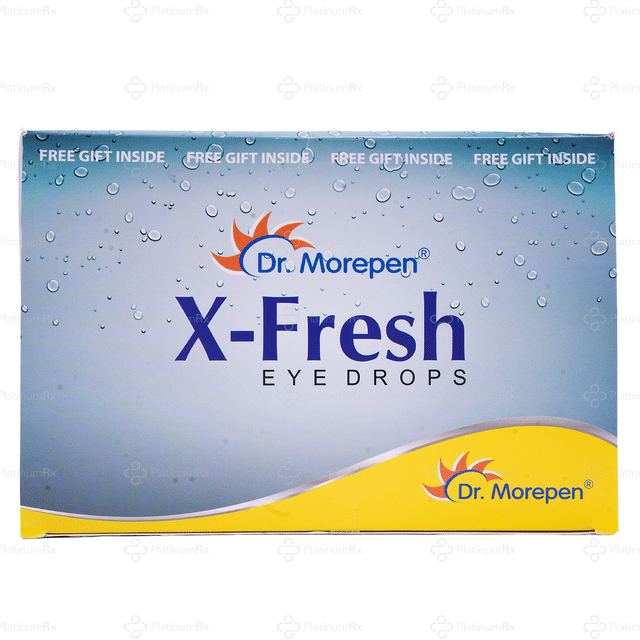
Lubricant drops, gels and ointments stand in for your own tears. You can usually buy them from a pharmacy without a prescription, with or without a preservative.
Use them as often as you need to. Most people start with drops 2 to 4 times a day. If your eyes are still burning after two weeks of regular use, you can use them more often — up to every 2 hours — as long as they are preservative-free.
Choose preservative-free drops if you wear contact lenses. They come as single-dose vials and as multi-dose bottles. Switch to preservative-free drops if you need them more than 4 times a day.
Try a different brand if one does not suit you. If none of them works, see a pharmacist or optometrist.
Gels and ointments last longer than drops, which helps burning that wakes you at night. Ointments blur your vision for a while, so use them at bedtime and do not drive straight after.
If the cause is allergy, ask a pharmacist or doctor about an antihistamine. They can tell you which eye drops or tablets suit your symptoms.
Antibiotic drops are only for bacterial infection, and need a doctor's prescription. So do steroid drops. Never use drops prescribed for someone else.
If you are pregnant or breastfeeding, check with your doctor or pharmacist before you use any eye drop, including a lubricant.
Buy Eye Drops For Burning Eye at Best Price


Side Effects of Eye Drops
Most people use lubricant drops without any trouble. When a drop does cause a problem, it is usually mild and passes within minutes.
Common and mild: burning, stinging and itching of the eyes. These happen in more than 1 in 100 people and settle a few minutes after the drop. Gels and ointments can also blur your vision for a short while.
Stop the drops and get medical help right away if your eyelid, or the skin around your eye, becomes swollen. This can be a mild allergic reaction.
Get emergency help if:
- your lips, mouth, tongue or throat suddenly swell
- you are breathing fast, wheezing or struggling to breathe
- you get a rash that is raised, itchy, blistered or peeling
- you feel very drowsy, dizzy or confused
Burning that keeps coming back may be a reaction to the preservative. Ask a pharmacist about a preservative-free brand.
How to Use Eye Drops the Right Way
- Wash and dry your hands.
- Shake the bottle only if the label tells you to, then take off the cap.
- Tilt your head back, pull down your lower eyelid, and look up. Let one drop fall into the gap.
- Close your eye and press the inner corner for about a minute, so the drop stays in.
- Wipe away any extra liquid with a clean tissue.
- Wait at least 5 minutes before your next eye medicine. Use drops before ointment, never after.
Keep the tip of the bottle away from your eye, lashes and skin, and put the cap back on straight away. Never share a bottle with anyone else, because that spreads infection.
If you wear contact lenses, take them out before the drop and wait 15 minutes before putting them back in.
Check the label for how long a bottle can be used after opening, and write the date on it. Throw single-dose droppers away after one use. Store drops at room temperature unless the label says otherwise.
How Long Do Burning Eyes Take to Settle?
Mild burning from dryness or allergy often eases within a few days once you remove the trigger. Conjunctivitis, the sticky red eye, usually clears in a week or two without treatment. If burning lasts more than a few weeks despite home care, see a doctor or optometrist.
How to Prevent Burning Eyes
Burning that keeps coming back usually has a trigger you can reduce.
- Set your screen slightly below eye level and about an arm's length away, so you blink more and stare less.
- Keep the air moist. Air conditioning and room heaters both dry the air, and a humidifier helps.
- Wear wrap-around glasses or goggles outdoors, so wind and dust do not strip the tear film.
- Follow the lens care steps above, and do not sleep in your lenses.
- Tell your doctor if you think a medicine is drying your eyes. Do not stop it on your own.
Burning Eyes in Children
Children get burning eyes from the same causes as adults: allergy, infection, dryness from screens, and something caught in the eye.
A baby under 30 days old with red, sticky eyes needs to be seen urgently. For a child under 2, eye drops for an infection need a prescription. Do not use adult drops on a child without asking a doctor or pharmacist first.
When to See a Doctor
Burning eyes on their own are rarely serious. These signs are not ordinary burning.
See a doctor or optometrist within a few days if you:
- still have burning after a few weeks of home care
- have burning with sticky discharge
- have crusty or sore eyelids that do not settle
Ask for an urgent appointment the same day if you have:
- a very painful red eye
- a red eye and you wear contact lenses
Get emergency help if you have:
- any change in your eyesight
- pain when you look at light
- a very dark red eye
- one pupil bigger than the other
- a chemical splashed into your eye — rinse with clean, cool water for at least 20 minutes while you get help, and take the container with you
- something is stuck in your eye, or hit it at high speed
- your eye has been pierced or injured
- a red eye comes with a severe headache and vomiting
- you suddenly lose vision, or see flashing lights or wavy lines
In India, call 112 for emergency help, or 108 for an ambulance. Do not drive yourself to hospital.
The Bottom Line
Most burning eyes come from dryness, allergy or inflamed eyelids, and improve with lubricant drops, lid hygiene, screen breaks and less smoke and dry air. Use drops as often as you need them, and switch to preservative-free drops if you need them more than 4 times a day. A drop that stings for a few minutes is normal, but a swollen lid or a rash needs a review. A very painful red eye, any change in sight, pain in light or a very dark red eye means emergency care, not a wait-and-see.
FAQs
References