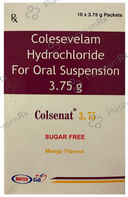
Colesevelam

Uses

Colesevelam is used in the treatment of high cholesterol.

How it Works

How Colesevelam works Colesevelam is a bile acid binding agent that removes bile acids from the body. The liver then produces more bile acids using cholesterol, which results in lowered cholesterol levels in the body.

Side Effects

Common side effects of Colesevelam include constipation, indigestion, and nausea.

Expert Advice

  • Colesevelam helps lower high blood cholesterol levels.
  • Take it in conjunction with regular exercise and a low-fat diet.
  • Always take Colesevelam with food and a full glass of water.
  • It may cause constipation; drink plenty of water and consume more high-fiber foods.
  • Inform your doctor if constipation becomes severe or does not resolve.
  • Colesevelam may interfere with the absorption of vitamins A, D, and K.
  • Consider taking vitamin supplements as recommended by your doctor.
  • It can delay or reduce the absorption of certain medications.
  • Any other medications should be taken 1 hour before or 4 hours after taking Colesevelam.

Other Combinations

Frequently asked questions

Cholesterol is a waxy fat, or lipid, that circulates in the blood. It is produced by the liver and also obtained from food. There are two types: HDL (high-density lipoprotein), known as 'good' cholesterol, and LDL (low-density lipoprotein), known as 'bad' cholesterol.
LDL (low-density lipoprotein) is termed 'bad' cholesterol because it contributes to cholesterol buildup in the blood, leading to blockages in the heart and increasing the risk of heart attacks, strokes, and peripheral artery disease.
HDL (high-density lipoprotein) is referred to as 'good' cholesterol because it transports cholesterol from the blood to the liver for removal, thereby reducing the risk of heart disease.
Normal cholesterol levels are: total cholesterol between 125-200 mg/dL, LDL less than 100 mg/dL, and HDL 40 mg/dL or higher.
To check your cholesterol, schedule a lipid profile test at an accredited laboratory. This test measures total cholesterol, LDL, HDL, triglycerides, and the cholesterol-to-HDL ratio. Fasting for 10-12 hours before the test may be required. Consult your doctor to interpret the results.
Medication is generally prescribed when LDL levels exceed 190 mg/dL or if there is a history of heart attack or stroke. Always consult your doctor before starting any medication.
Stopping Colesevelam may result in increased blood cholesterol levels, raising the risk of heart disease. Consult your doctor before discontinuing the medication, as they may recommend dietary and lifestyle changes to mitigate this risk.
Colesevelam lowers cholesterol by binding to bile acids in the intestines, forming a complex that is excreted from the body. This reduces bile acid levels, prompting the liver to convert more cholesterol into bile acids, thereby lowering overall cholesterol levels.
High cholesterol can lead to arterial buildup, narrowing blood vessels and reducing blood flow to the heart, which may result in a heart attack or stroke.
Common symptoms of high cholesterol include chest pain, pain in the neck, jaw, upper abdomen, or back, extreme fatigue, difficulty breathing, and numbness or coldness in the extremities.
Foods high in cholesterol include red meats (like lamb and pork), packaged foods, fried foods, full-fat dairy products, and processed meats (such as sausage and bacon).
To improve Colesevelam's effectiveness, adopt a low-fat diet, engage in regular exercise, manage body weight, and limit alcohol consumption.
Colesevelam can cause constipation by binding to bile acids, which reduces water in the stool. To alleviate constipation, increase your water intake and consume fiber-rich foods such as fruits, vegetables, and cereals.
;

Flat Rs 100 on first app order   |    Use Code:  APP100   | 

Flat Rs 100 on first app order

USE CODE: APP100

PlatinumRx

Download Now

AppleIconPlayStoreIcon